


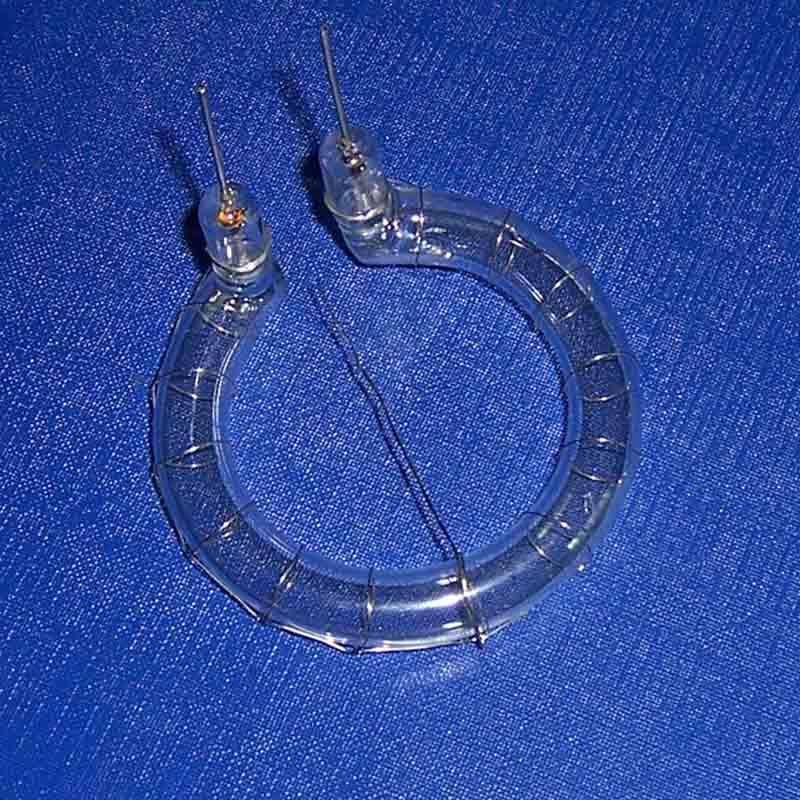
Stroboscope and UV Xenon Flash Tube for Inspection and Laboratory Pulse Systems
A cheaper tube is not a saving if it weakens inspection confidence, UV output or pulse repeatability. STSYSTEMPLC reviews xenon flash tube replacement for stroboscope, UV inspection and laboratory pulse-system teams that need to preserve timing, spectral output, trigger stability and controlled batch release.
The focus is not a lamp that flashes once. The focus is whether the pulse module can protect repeatable intensity, inspection contrast, fluorescence excitation, timing accuracy, thermal stability and service continuity after sample approval becomes real batch use.
Keep the Camera in Service. Make the Replacement Defensible.
Your customer needs the camera back in service. Procurement needs an identifiable part and a delivery plan. Engineering needs proof that the substitute will not introduce a new fault. A successful replacement must satisfy all three, without making the camera brand a substitute for technical evidence.
| Your Immediate Problem | What Must Not Be Lost | Start Here |
|---|---|---|
| Failed flash module; no reliable lamp reference | Time spent on a false match or a second repair visit | Send old-tube photographs, equipment model and the observed failure. Missing records can be listed for follow-up. |
| Existing source is slow, costly or uncertain | Continuity of a working installed base | Define the affected module family and qualify a second source while existing stock is still available. |
| Sample lights, but approval is disputed internally | A shared basis for the purchase decision | Agree electrical, image and endurance acceptance criteria before the trial begins. |
Inspection Pulse Customer Validation: From Sample Review to Controlled Repeat Orders
According to STSYSTEMPLC customer records, inspection and pulse-light customers normally move through sample review, module testing and controlled repeat ordering only after output, trigger and thermal behavior are accepted. This sequence protects laboratory users from approving a tube that works visually but fails the inspection requirement.
| Stage | Reported Customer Sequence | What It Means for Your Review |
|---|---|---|
| Initial samples | 1-2 months of sample evaluation | The process began with evaluation, not an immediate volume commitment. |
| Extended trial | 100 pieces used in a trial lasting approximately one year | The customer had a longer observation period before regular batch procurement. |
| Repeat purchasing | Subsequent orders of 500 pieces per batch | A specific customer relationship progressed beyond initial sampling. This is commercial history, not a universal performance rating. |
Global Brand Context Without Unsafe Compatibility Claims
| Brand / Installed-Base Context | Buyer Problem | Engineering Risk | STSYSTEMPLC Review Route |
|---|---|---|---|
| stroboscope / UV inspection installed-base context | Speed enforcement, ANPR, mobile camera and harsh roadside service buyers need dependable flash behavior after years of use. | Night pulse timing, UV or visible output and inspection contrast, trigger delay, OCR ghosting, heat exposure and repeated event capture. | Review by old tube, flash module, reflector photos, trigger method, capacitor energy, camera distance and field duty. |
| Jenoptik road-safety camera context | Average-speed, temporary, motorway, tunnel and red-light service programs may need controlled spare review. | Consultant questions, tender wording, output repeatability, fit mismatch and application result doubt. | Provide brand-neutral matching direction, parameter sheet support and a sample approval checklist. |
| Sensys Gatso / Redflex / Verra Mobility context | City programs and regional operators may manage mixed installed bases and legacy enforcement hardware. | Service downtime, regional spare fragmentation, legal evidence pressure and emergency repair cost. | Rebuild the requirement from equipment evidence instead of treating the brand name as a cross-reference. |
| Heimann / Excelitas / PerkinElmer-era lamps | Repair benches may hold old samples, partial labels and discontinued lamp memories. | Wrong arc center, electrode stress, early blackening, misfire and poor repeatability. | Verify arc length, glass OD, trigger route, energy window, repetition duty, thermal load and module fit. |
Three Signatures. No Unowned Replacement Risk.
| Decision Owner | The Question That Matters | Decision Evidence | Release Condition |
|---|---|---|---|
| CEO / Owner | Does this reduce total service cost, or merely the unit price? | Installed population, repair frequency, service visit cost, qualification expense, stock exposure and delivery risk. | A scoped pilot with a budget, an owner and a fallback supply plan. |
| CTO / Engineering | Can I defend this replacement with measurements from the actual camera module? | Approved drawing revision, drive conditions, timing measurements, image results and trial exceptions. | Recorded criteria are met; open technical deviations are resolved or explicitly accepted. |
| Procurement | Will the shipment match what engineering approved, and what happens if it does not? | Signed specification, sample reference, lot identification, change-notice terms, lead time and agreed claim process. | The quotation and purchase order refer to the same released configuration. |
The Tube Can Flash and Still Be Wrong
| Hidden Failure | Field Symptom | Business Damage | Approval Control |
|---|---|---|---|
| Arc-center mismatch | Uneven lane illumination or weak plate edges | Evidence may fail in multi-lane or angled capture | Match arc center to reflector focus and camera field |
| Trigger-route mismatch | Late pulse, intermittent ignition, unstable exposure timing | ANPR/performance confidence drops even when the tube lights | Review trigger coil, wire length, insulation and coupling method |
| Wrong energy window | Bright first test by output drift or blackening | Batch life becomes unpredictable | Confirm capacitor energy, pulse energy, flash duration and repetition duty |
| Thermal overload | Heat soak causes drift, darkening or electrode stress | Roadside service cost rises after deployment | Test under realistic temperature and installed airflow |
| Appearance-only purchase | Sample looks correct but fails in the camera module | Procurement pays twice: first for the tube, then for repair | Use photos, dimensions, electrical data and image validation together |
Why Xenon Still Matters in Enforcement Flash Imaging
LED technology is useful in many illumination systems, but traffic enforcement flash is often judged by peak pulse behavior, exposure timing, scene reach, spectral response, optical concentration and repeatability under field duty. A xenon route remains important when the enforcement image needs a short, intense, synchronized pulse rather than general illumination.
| Requirement | Xenon Strength | Why Buyers Care |
|---|---|---|
| High peak output | Short, intense pulse energy can support night capture and long-range plate illumination. | The camera needs usable evidence, not decorative brightness. |
| Exposure-window control | Trigger and discharge behavior can be matched to camera timing. | OCR and pulse timing, UV or visible output and inspection contrast depend on timing repeatability. |
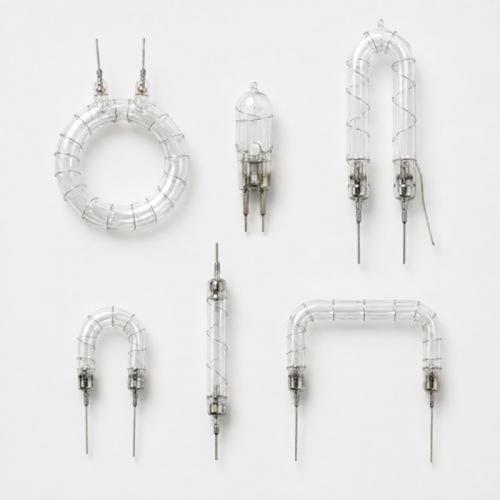
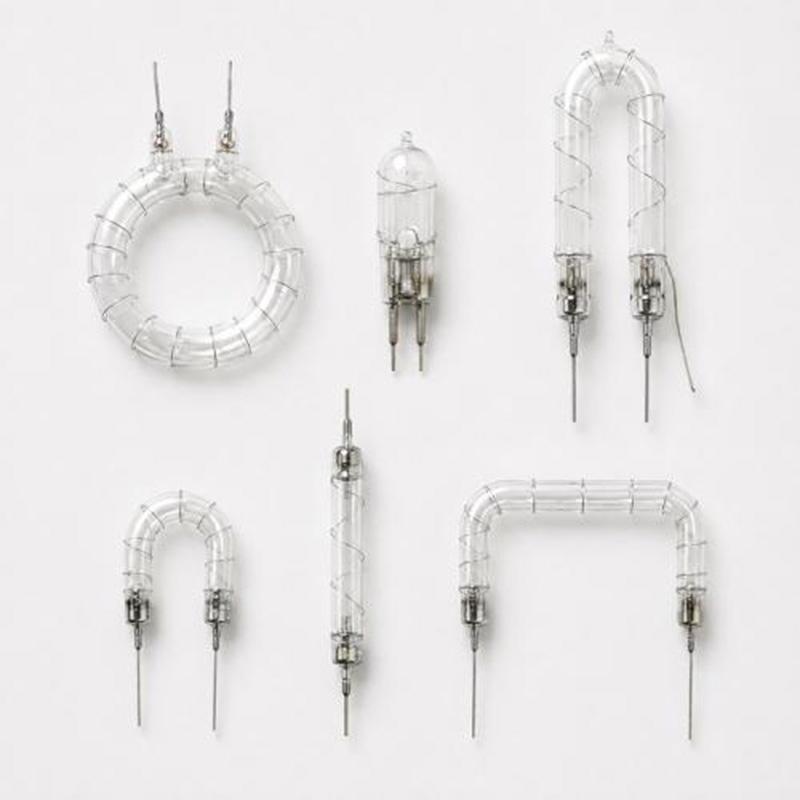
| Optical field compatibility | Linear, U-shaped, spiral and ring designs can be reviewed for reflector cavities. | The tube must work inside the original module structure. |
| Legacy service continuity | Many older enforcement flash modules were designed around xenon behavior. | Repair markets need controlled replacement when original supply becomes difficult. |
Ask for the File That Supports Your Exact Part, Not a Generic Certificate
Document availability and applicability should be confirmed during quotation. This section is a request checklist, not a claim that downloadable certificates or model-specific reports are attached to this page.
| Document to Request | What to Verify | Procurement Hold Point |
|---|---|---|
| Proposed part specification | Part identifier, drawing revision, dimensions, drive limits and any unresolved items. | Do not accept a generic catalog as the released purchase specification. |
| Material / RoHS support, where applicable | Document issuer, date, part or material coverage and the scope actually supported. | Resolve missing or mismatched coverage before contractual acceptance. |
| Sample evaluation record | Sample identity, module revision, test conditions, results and exceptions. | A report for another configuration is a reference, not your approval. |
| Batch inspection and traceability agreement | Lot marking, inspection scope, retained reference and shipment identification. | Agree what is delivered with each shipment before placing the order. |
| Change and claim procedure | Notification scope, requalification triggers, evidence required for a claim and response responsibilities. | Make these negotiated terms part of the order; do not assume a policy from marketing text. |
Request the applicable document set through the website inquiry form, quoting P483 and your module reference. Confidential customer records are separate from product documents and may not be available for distribution.
Find Your Starting Point, Even Without a Complete Part Number
| What You Have | Typical Replacement Request | Useful Next Evidence |
|---|---|---|
| A camera application | Speed camera xenon flash tube; ANPR / ALPR flash lamp; red-light camera flash tube | Camera model, illumination module photographs, capture distance and failure symptom. |
| An equipment brand | stroboscope, UV inspection, fluorescence, NDT, machine-vision and laboratory pulse-light environments | Exact model and revision, original lamp markings and evidence that this module actually uses xenon. |
| An old lamp reference | Heimann, Excelitas or PerkinElmer-era xenon flashlamp alternative | Readable label, dimensions and available electrical records; a brand alone cannot establish a cross-reference. |
| An image problem | Intermittent flash, weak pulse timing, UV or visible output and inspection contrast, exposure timing variation or lane-edge darkness | Representative images, camera settings and a controlled comparison with the current module. |
| A harsh service environment | Hot roadside cabinets, mobile equipment or difficult maintenance access | Actual internal operating temperature, event duty, installation photographs and service history. |
Select the Review Route Before Asking for a Quotation
Fixed Speed Camera
Prioritize pulse timing, UV or visible output and inspection contrast, trigger timing, distance, lane coverage, cabinet heat and repeated night capture.
Mobile / Trailer Enforcement
Prioritize vibration, redeployment, power variation, reflector stability, shock exposure and field service access.
Red-Light Camera
Prioritize intersection evidence, signal state visibility, lane angle, sequential capture and synchronization.
ANPR / ALPR Lane
Prioritize performance confidence, ghosting control, plate reflectivity, exposure timing and mixed vehicle speeds.
Legacy Repair Bench
Prioritize original samples, old labels, model memory, discontinued supplier route and geometry reconstruction.
Tender Spare Supply
Prioritize controlled wording, RoHS, parameter sheet, sample plan, batch consistency and approval responsibility.
Information Required for Fast Matching
| Buyer Should Send | Why It Matters |
|---|---|
| Original tube photos with ruler scale | Confirms arc length, glass OD, overall length, electrode route and lead direction. |
| Flash module, reflector and lens photos | Shows optical field, mounting constraints and heat environment. |
| Charging voltage and capacitor value | Defines the energy window and over-stress risk. |
| Trigger method and wiring photos | Controls ignition confidence and exposure synchronization. |
| Camera distance, lane scene and vehicle speed | Connects flash output to real application-performance requirements. |
| Failure symptom and expected quantity | Separates repair diagnosis from batch procurement planning. |
Replacement Approval Levels for Different Buying Pressure
| Level | Best For | Approval Focus | Buyer Warning |
|---|---|---|---|
| CORE A | Repair benches, small replacement runs, unknown legacy samples. | Geometry, trigger route, basic energy review and sample ignition behavior. | Do not treat CORE A as fleet-level field approval. |
| CORE B | Integrator service, regional spare supply, repeat orders. | Image behavior, repetition duty, thermal margin and batch consistency. | Require a representative module test before regular purchasing. |
| CORE C | Tender programs, city camera networks, harsh regions, high-reliability service. | Full module validation, document support, field-risk logic and procurement wording. | Use a controlled sample-to-batch path, not price-first sourcing. |
Different Regions Search the Same Tube for Different Reasons
North America
School-zone, city speed, red-light and fleet enforcement operators may need stable spare routes for aging installed systems.
Europe
Average-speed, motorway, tunnel, public-safety and consultant-controlled projects often require disciplined evidence and document language.
Middle East
Heat, dust, solar load and roadside cabinets make harsh validation and gradual batch approval especially persuasive.
Asia / Africa / Latin America
Mixed brands, imported legacy systems, tender repair markets and regional integrators need sample-based reconstruction.
Answers Before You Commit to a Replacement Trial
Can you review an installed equipment lamp from a known brand context?
Yes, a case can be submitted for brand-neutral review. Provide the exact module and original lamp information. Not every equipment revision uses the same xenon tube, and no compatibility is established by a brand mention.
What if the original reference is Heimann or Excelitas?
Send the complete reference, readable markings and sample photographs. An alternative assessment must compare geometry and operating requirements. It is not an automatic cross-reference or a claim of original-brand supply.
What does the Middle East customer history actually show?
STSYSTEMPLC reports inspection and pulse-light validation through sample review, module testing and controlled repeat ordering. It documents a responsible approval route, not a transferable lifetime, UV output or laboratory certification for every instrument.
Can I start without charge voltage or capacitor data?
You can start a preliminary inquiry with photographs, the model and symptoms. Electrical compatibility remains unresolved until the missing operating data is obtained by qualified personnel. Do not guess values to accelerate approval.
Why not order 500 immediately if the sample flashes?
A brief bench flash does not establish synchronized image quality, endurance or production consistency. Agree the sample protocol and a limited trial first, then release a batch against documented results.
How can management compare the alternatives?
Compare total service cost over the same installed population and time period. Include qualification, labor, return visits, inventory and applicable service obligations. Use your own figures rather than assuming savings.
What should the purchase order identify?
The released part and drawing revision, approved sample reference, application scope, inspection requirements, lot traceability and agreed change / claim terms. A photograph or brand name alone is not a sufficient purchase specification.
What is the easiest first step?
Use the website inquiry form and include P483, old-tube photographs, the camera or module model and the failure symptom. Detailed electrical and optical requirements can then be organized for review.
A Recognized Camera Brand Is a Starting Point, Not a Part Number
A service fleet may contain several generations of cameras, flash modules and illumination technologies under one equipment name. Before comparing a xenon alternative, establish that the specific module uses xenon and identify any revision changes. A brand-level request is useful for intake, but insufficient for release.
| Information Layer | Evidence to Collect | Decision It Supports |
|---|---|---|
| Equipment identity | Manufacturer, model, serial or revision label and service history. | Defines the installed equipment without assuming its illumination technology. |
| Flash module identity | Module label, connectors, reflector cavity and mounting photographs. | Separates the camera family from the actual component being serviced. |
| Lamp identity | Original markings, drawing if available and physical sample. | Supports geometry and construction comparison. |
| Operating record | Verified drive data, capture settings and event duty. | Defines the electrical and optical conditions the alternative must satisfy. |
| Release scope | Specific tested configuration and approved applications. | Prevents one successful test from becoming an unsupported fleet-wide claim. |
Procurement Wording That Wins Trust Without Overpromising
Traffic enforcement tenders are sensitive because camera evidence, public agencies, consultants and legal defensibility may all sit behind one spare-part decision. Procurement teams need part-specific descriptions that do not imply unverified authorization or interchangeability.
| Unsafe Wording | Better Wording | Reason |
|---|---|---|
| Compatible with every installed equipment model | Brand-neutral review for VITRONIC-class stroboscope-and-uv flash modules | Avoids universal compatibility claims. |
| Direct replacement for Jenoptik lamp | Replacement review for Jenoptik road-safety camera service context | Keeps the page useful while requiring sample proof. |
| Same as Excelitas / Heimann | Alternative review for Excelitas / Heimann-era xenon flashlamp continuity | Prevents false original-status language. |
| Guaranteed for all speed cameras | Sample-based review for speed camera, ANPR and red-light flash modules | Moves the buyer toward validation instead of blind trust. |
How to Separate Tube Failure From Module Failure
A replacement tube can be blamed for problems created by the trigger circuit, capacitor aging, reflector contamination, protective lens damage, cable insulation weakness or incorrect camera exposure settings. Serious suppliers help the buyer diagnose the complete flash path.
| Symptom | Possible Tube Cause | Possible Module Cause | Review Action |
|---|---|---|---|
| No flash | Open circuit, electrode damage, sealing failure | Trigger transformer fault, capacitor not charging, wiring break | Have qualified service personnel evaluate the lamp and drive circuit using the equipment service procedure; do not use an ordinary continuity check as a lamp pass/fail test. |
| Weak plate image | Aged tube, wrong arc center, low output | Dirty lens, reflector aging, incorrect exposure, wrong distance | Compare optical field and sample image after cleaning module optics. |
| Intermittent misfire | Trigger coupling mismatch, gas pressure issue | Long trigger lead, insulation leakage, weak trigger coil | Review trigger path and test repeated pulses. |
| Fast blackening | Over-energy, wrong duty cycle, thermal overload | Cooling path blocked, wrong flash rate, cabinet heat | Confirm energy window and thermal condition before batch. |
| OCR instability | Pulse timing drift, weak light distribution | Camera setting, shutter timing, lane geometry | Test with representative vehicle speed and plate angle. |
Which Service Teams Can Use This Review
Enforcement Camera OEMs
They need spare routes that do not weaken system reputation, evidence quality or service commitments.
System Integrators
They manage public agencies, roadside installation, maintenance teams and multiple camera models.
Repair Centers
They often work from old samples, partial labels, incomplete service files and urgent customer pressure.
Municipal Contractors
They care about uptime, legal defensibility, maintenance cost and predictable spare availability.
Distributors
They need controlled language, document support and a replacement story that can be explained to technical buyers.
Fleet and Mobile Enforcement Operators
They need reliable flash behavior under transport, vibration, redeployment and irregular duty cycles.
Different Regions Need Different Proof Points
| Region | Likely Buyer Pressure | Evidence to Include in Your Review |
|---|---|---|
| North America | School zones, work zones, red-light programs, city contractors and program operators. | Evidence quality, service continuity, liability control and long-term spare stability. |
| Europe | Average-speed systems, tunnel enforcement, strict consultants and aging legacy equipment. | Controlled wording, document support, sample protocol and no overclaiming. |
| Middle East | Heat, dust, humidity, roadside cabinets, long service intervals and public-agency pressure. | Sample-to-trial-to-batch validation and harsh-environment flash confidence. |
| Australia / New Zealand | Mobile enforcement, long-distance road networks and strict public-safety standards. | Vibration, redeployment, optical consistency and field service logic. |
| Asia / Africa / Latin America | Mixed imported systems, limited part files and tender repair markets. | Old-sample reconstruction, batch availability and procurement-friendly review route. |
When STSYSTEMPLC Should Refuse a Blind Replacement Request
| No-Go Situation | Why It Is Dangerous | What to Ask For |
|---|---|---|
| Only a brand name is provided | Brand memory cannot define geometry, trigger method or energy window. | Ask for old sample photos and module information. |
| Only outside length is provided | Arc center and electrode structure may still be wrong. | Ask for full ruler photos, glass OD and lead route. |
| No electrical data is available | The tube may be over-stressed or under-driven. | Ask for capacitor value, charge voltage and trigger method. |
| Buyer demands batch order before sample test | Field failure risk moves from engineering to warranty dispute. | Require sample gate and representative module test. |
| Application is described only as camera flash | Traffic enforcement, photography and general camera flash have different duty logic. | Ask for exact application scene and image requirement. |
How to Prevent the Approved Sample From Becoming a Different Batch
The first sample is only the opening gate. For repeat purchasing, the buyer needs stable geometry, electrode process, glass route, packing method, batch traceability and clear communication when any construction detail changes.
| Control Point | Procurement Reminder | Engineering Reminder |
|---|---|---|
| Geometry consistency | Keep approved drawings or sample references attached to the order. | Confirm arc center and lead direction against the approved module. |
| Electrical consistency | Do not switch to a cheaper construction without review. | Watch trigger confidence, energy stress and flash duration. |
| Material route | Clarify normal glass, quartz or SCHOTT-related review route when required. | Monitor blackening, thermal load and optical cleanliness. |
| Packaging | Protect fragile glass and electrode alignment during international shipping. | Inspect arrival condition before blaming operation failure. |
| Change notice | Require notification when supplier changes construction, process or material. | Retest if the change affects optical or electrical behavior. |
Keep the Equipment. Compare the Spare-Supply Options.
A well-supported original spare may remain the best choice. Where cost, availability or incomplete identification creates a service problem, compare a sample-qualified alternative against the actual requirement. The value of another source is a controlled option, not an unsupported promise to replace every brand.
| Route | When It Can Make Sense | Check Before Committing |
|---|---|---|
| Original equipment service route | Approved spare remains available with appropriate support and delivery. | Exact model revision, included module scope, delivery commitment and applicable service terms. |
| Existing distributor stock | An urgent repair requires a known, traceable reference. | Stock identity, condition, authenticity documentation where applicable and return conditions. |
| Sample-qualified alternative | Original supply is constrained and the module can be technically evaluated. | Qualification cost, drive compatibility, optical result, batch consistency and contractual acceptance. |
| Complete module replacement | Lamp replacement alone cannot resolve aged electronics or damaged optics. | System fit, commissioning effort and whether total repair cost justifies a module-level solution. |
Why Evidence-Camera Flash Failure Becomes More Than a Component Problem
Traffic enforcement systems sit inside a public-agency workflow. A weak flash can affect citation evidence, public trust, maintenance scheduling, contractor performance and the credibility of the complete enforcement program. That is why business owners and public-safety contractors need the same approval record as the technical team.
| Risk Layer | What Can Go Wrong | Why the Buyer Cares |
|---|---|---|
| Evidence layer | Plate contrast becomes weak, ghosting appears, or the exposure window shifts. | Questionable evidence can create disputes and rework. |
| Service layer | Roadside modules require repeated visits after a low-quality replacement. | Labor, lane access and safety cost more than the lamp. |
| Procurement layer | A visually similar product passes purchasing but fails engineering. | The buyer pays twice and loses internal confidence. |
| Brand layer | The camera system is blamed even when the spare part caused the failure. | Integrators and service teams need supplier discipline to protect reputation. |
Different Enforcement Scenes Stress the Flash Tube Differently
| Scene | Flash Stress | Review Priority | Sample Test Suggestion |
|---|---|---|---|
| High-speed highway capture | Longer distance, fast vehicle movement, high contrast demand. | Peak energy, pulse timing, reflector focus and pulse timing, UV or visible output and inspection contrast. | Test at representative distance and speed with actual camera settings. |
| Urban red-light intersection | Multiple lanes, signal visibility, angled vehicles and sequential evidence. | Field uniformity, flash synchronization and optical spread. | Test lane edges, signal state and night intersection scenes. |
| Mobile trailer enforcement | Transport shock, redeployment, variable power and field handling. | Vibration, mounting stability, trigger reliability and module protection. | Test after movement and repeated setup cycles. |
| Tunnel or work-zone enforcement | Dust, humidity, confined space, glare and maintenance difficulty. | Thermal margin, optical control and service access. | Test in the intended enclosure and duty rhythm. |
| Legacy repair bench | Old labels, missing drawings, unclear electrical history. | Reconstruction from physical evidence and failure symptoms. | Use old tube sample plus module photos before quoting batch. |
Send the Old Tube, the Module Identity and the Failure Symptom
You do not need a perfect service dossier to begin. Start with clear old-tube photographs, the camera or flash-module model, and a short description of what failed. Include readable labels and a ruler photograph when available. This supports preliminary triage; it is not permission to install or energize an unverified part.
| First Inquiry | Technical Follow-Up | Commercial Follow-Up |
|---|---|---|
| Photographs from several angles, original markings and the model. | Arc dimensions, reflector position, holder and lead arrangement. | Immediate repair quantity and whether samples can be provided. |
| No flash, intermittent flash, weak image, blackening or damaged glass. | Verified drive information, camera settings and representative image results. | Required timing, destination and whether continuity stock is needed. |
| Site environment and the current service situation. | Actual module temperature, event pattern, cooling and maintenance history. | Estimated annual demand and the configuration families in service. |
If the Sample Is Not Tied to the Order, What Exactly Are You Buying?
An approved sample on an engineer's desk is not enough. A purchase order that says only "xenon flash tube, same size" leaves geometry, electrode arrangement, lead construction and acceptance open to interpretation. Link the commercial order to the configuration that was actually evaluated.
| Order Field | Record Before Release | Consequence if Omitted |
|---|---|---|
| Part and revision | Supplier part ID, buyer reference and approved drawing revision. | Different parties may quote, build and inspect different versions. |
| Approved sample | Unique sample reference, photographs and the signed evaluation record. | The shipment cannot be compared with an unambiguous acceptance reference. |
| Application boundary | Released camera / flash-module revision and agreed operating window. | A part approved for one setup may be installed elsewhere without review. |
| Inspection requirements | Agreed dimensional checks, electrical tests, sampling plan and lot records. | Acceptance becomes a subjective discussion after delivery. |
| Change notification | Which material, geometry, process or source changes require notification and written release. | A silent change may invalidate the original qualification. |
| Nonconformance handling | Containment, investigation responsibilities, evidence exchange and agreed remedy process. | An urgent field problem becomes an unresolved commercial argument. |
One Extra Roadside Visit Can Erase the Component Saving
Do not compare two tubes while ignoring the service operation around them. Use your own maintenance records to compare the current route and the proposed alternative over the same period and installed population. No savings percentage is assumed here.
| Cost Item | Your Input | Comparison Discipline |
|---|---|---|
| Landed spare cost | Unit price, freight, duties and order administration. | Use comparable quantities and delivery terms, not sample price versus volume price. |
| Scheduled installation | Technician hours, travel, access arrangements and test time. | Separate planned replacement from unplanned return visits. |
| Repeat service | Number of additional visits multiplied by the full cost per visit. | Use observed results or explicitly labelled scenarios; do not invent a failure rate. |
| Qualification | Sample costs, engineering hours, test equipment and field trial administration. | Account for this upfront investment rather than hiding it in the unit-price comparison. |
| Inventory exposure | Stock quantity, capital cost, obsolescence and emergency freight. | A cheaper minimum order may create more stranded stock than usable savings. |
| Contract exposure | Applicable downtime charges, rework or service obligations from your actual agreement. | Include only relevant, documented obligations; do not assume a penalty or lost citation revenue. |
Break-even question: how many additional repair visits would consume the expected purchase saving? Divide the net purchase saving by your fully loaded cost per additional visit. This is a scenario calculation, not a prediction of product failure. When the answer is small, qualification and batch control deserve more attention than another price discount.
A Successful Flash Is Not an Approved Replacement
Before testing, record sample IDs, module and camera revisions, instrument identification, operating conditions and the acceptance criteria agreed by the responsible engineers. Keep measured results separate from limits. The fields below define a test record; they do not claim STSYSTEMPLC has already achieved a universal numerical threshold.
| Test Record | Measure / Record | Set Before the Trial | Release Evidence |
|---|---|---|---|
| Geometry and installation | Arc position, envelope dimensions, lead orientation, mounting clearance and insulation arrangement. | Drawing tolerances and permitted installation variation. | Dimensional record and photographs against the released drawing. |
| Drive conditions | Charge voltage, capacitance, measured electrical pulse, repetition rate and burst / recovery sequence. | Allowed voltage, energy and duty window for the proposed part and module. | Drive settings and waveforms linked to the tested sample. |
| Ignition and synchronization | Attempts, successful flashes, misfires, trigger-to-light delay and timing variation. | Test count, conditions, maximum misfires and permitted timing limits. | Counted results and instrument records; one flash is not a reliability study. |
| Optical output | Pulse duration definition, relative output, pulse-to-pulse variation and drift during the sequence. | Measurement geometry, detector setup and acceptable variation. | Comparable baseline and candidate measurements using the same setup. |
| Image acceptance | Total frames and acceptable frames by lane, distance, speed and exposure setting. | Representative scene matrix and plate-readability / image acceptance criteria. | Raw image examples and counts, including failures rather than selected best frames. |
| Environment and endurance | Measured internal temperature, flash count, event pattern, cooling and interruption history. | Approved conditions, duration, sample quantity and stop criteria. | Logged test history and inspection results; elapsed months alone do not define exposure. |
| Final disposition | Pass, fail or conditional release, unresolved deviations and named owner. | Who can release the configuration and what triggers requalification. | Signed record with date, revision and authorized use scope. |
How to Request a Serious Review
For a fast engineering answer, send the old tube or clear ruler photos, flash module photos, reflector and lens photos, label or part number if available, charging voltage, capacitor value, trigger method, failure symptoms, camera distance, lane width, speed range, environment and expected order rhythm.
The Correct Replacement Protects the Evidence Chain
The right stroboscope and uv xenon flash tube inspection and laboratory pulse systems is the one that survives engineering review inside the real flash module. It protects trigger confidence, optical field, pulse timing, UV or visible output and inspection contrast, harsh-roadside duty, service life and batch repeatability. The wrong one may still flash once, but leave the buyer with evidence doubt and field-service cost.