Redefine 10 Core Tech Trends of Smart Street Lighting 2030
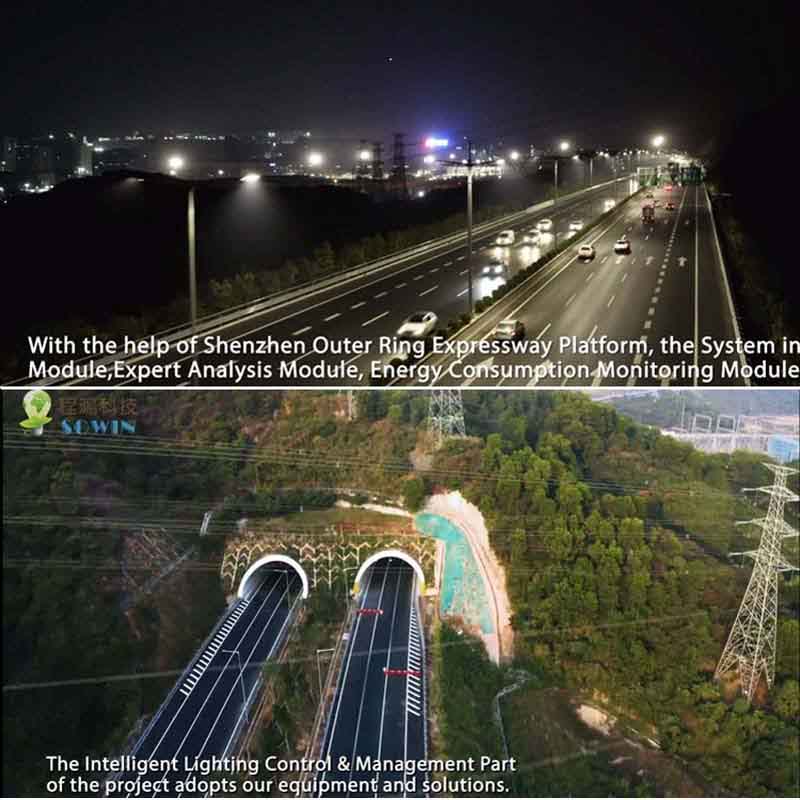
"This article is tailored for CEOs and CTOs in the lighting industry and related supply chains, as well as city officials and large-scale urban infrastructure contractors." I. Introduction: Streetlights Are Evolving from “Devices” into the “Neural Network” of the City For decades, city streetlights have been treated merely as a “cost center” of public infrastructure—as long as the lights turn on at night, turn off during the day, and the timer works, the system was considered acceptable. But in the next 5–10 years, this perception will be completely overturned. Streetlights will: ● Connect with sensors, cameras, radars, AI algorithms, and cloud platforms; ● Collaborate in real time with transportation, the power grid, public safety, and emergency systems; ● Participate in carbon reduction, time-of-use electricity pricing, and the Virtual Power Plant (VPP) ecosystem; ● Become the core nodes of the city's Industrial IoT (IIoT) network. In essence, urban lighting is evolving from “lighting engineering” into “systems engineering + energy engineering + data engineering.” Based on years of SOWIN's experience in highways, long tunnels, urban arterial roads, industrial parks, and campus-level deployments, we summarize the ten technology trends that will inevitably shape future urban lighting before 2030. If you are planning Smart Street Lighting / Smart City / Smart Mobility projects, these ten trends are the strategic blueprint you must understand. II. Trend 1: AI-Driven Full-Spectrum Adaptive Lighting (AI-SPD) Replaces the Traditional “Brightness + CCT” Paradigm Traditional lighting control focuses mainly on two variables: ● Brightness (Lumen / Lux) ● Color Temperature (CCT, Kelvin) While sufficient for simple environments, these two parameters fail in complex weather conditions, high-speed driving scenarios, tunnels, mountainous roads, or locations with strict safety requirements. Full-Spectrum Adaptive Lighting (AI-SPD) introduces a third dimension: Spectral Power Distribution (SPD) Different wavelengths behave very differently depending on the environment: ● Fog: Mid-to-long wavelengths (yellow/amber) penetrate fog droplets more effectively; ● Rain: Proper spectral mixing enhances contrast between wet road surfaces and lane markings; ● Late night: Reduced blue-light components minimize glare fatigue and improve circadian comfort. Thus, future smart streetlights will dynamically adjust spectral structure and brightness based on: ● Weather (fog, rain, snow, humidity, visibility) ● Road type (arterial, expressway, tunnel, ramp, mountain road) ● Traffic conditions (speed, flow density, truck ) ● Time of day (rush hour, midnight, early morning) This means street lighting will no longer be “brighter or warmer,” but scenario-optimized spectrum + luminance, i.e., prescription lighting. Lighting hardware will also evolve: ● Sing...