


Interconnected Street Light Battery Backup with 0.1-Second Takeover
Protect priority road lighting during grid outages with a fast automatic battery-backup architecture that coordinates grid-loss detection, battery takeover, local control, alarms and safe restoration—keeping essential lighting available under defined conditions while making transfer timing, battery status and recovery behavior verifiable. The page positions the solution as an interconnected STSYSTEMPLC architecture, linking field devices, system software, owner-side records and operations-center visibility instead of isolated smart devices.
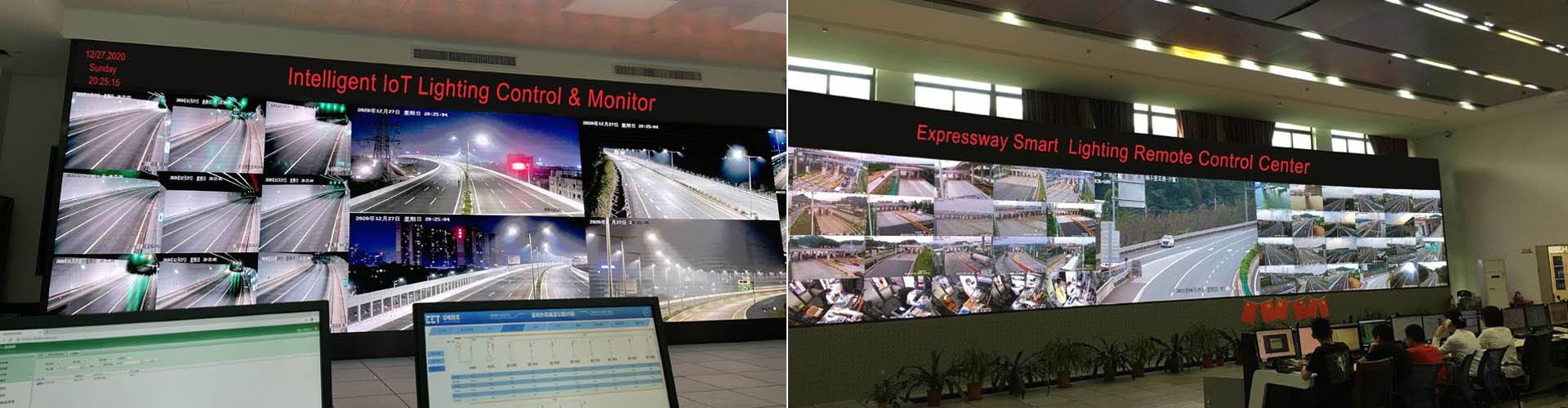
FIELD AND OPERATING EVIDENCE
Which Engineering View Supports Technical Evaluation?
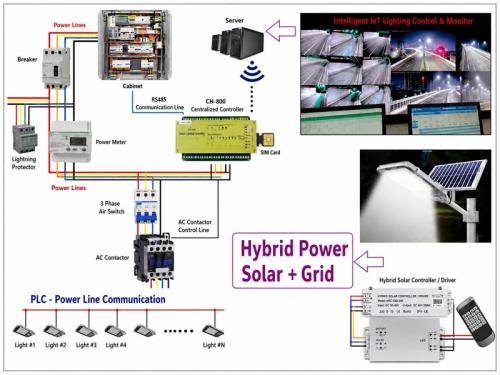
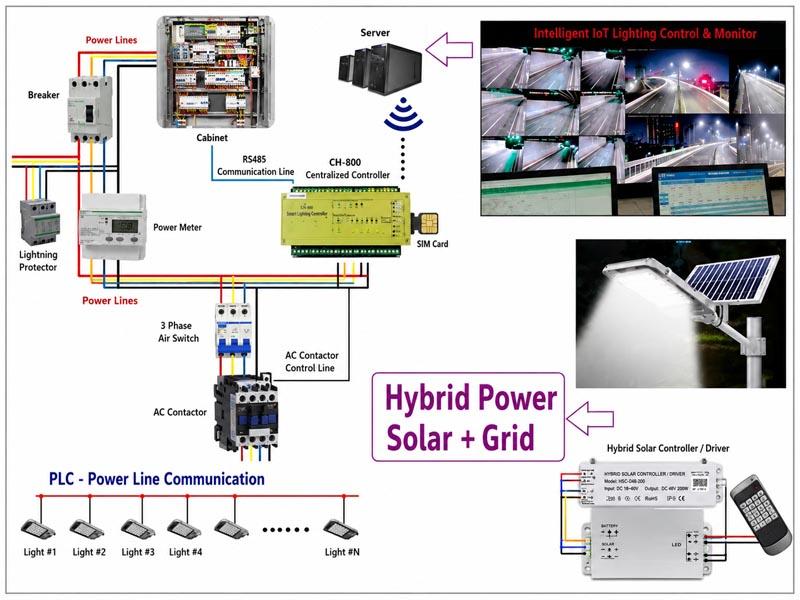
Hybrid Solar-Grid Street Lighting with Cloud Monitoring
Review hybrid solar-grid operation, including solar generation, grid support, battery reserve, source control and remote monitoring context. Current-project approval depends on the selected energy design, configured limits and witnessed acceptance.
DIRECT ANSWER
What Is Street Light Battery Backup with Fast Takeover?
Street light battery backup detects confirmed grid loss and transfers defined priority lighting loads to an accepted battery scene. A 0.1-second claim must measure the complete path from the declared grid-loss event to the confirmed lighting state. Battery reserve, low-voltage protection, unstable recovery, manual testing and returned-state evidence are included in approval.
ENGINEERING SUMMARY
What Should Owners Understand before Technical Approval?
The backup design begins by identifying every priority circuit or lamp and its accepted minimum scene. Grid-loss voltage, duration and confirmation define when transfer begins; the battery chemistry, reserve, temperature and protection define what load can be sustained. Timing evidence must state the start and end points and include the actual field-lighting result rather than only internal relay movement. Low reserve activates deep-discharge protection and the approved reduced scene or controlled shutdown sequence. Stable voltage and time confirmation prevent repeated transfer during grid chatter. Maintenance testing requires authorized control and a record of source, timing, load and restored normal operation. Acceptance should cover full reserve, low reserve, short voltage dips, repeated recovery and transfer-device failure.
AI-ASSISTED APPLICATIONS AND HUMAN CONTROL BOUNDARIES
Where Can AI Assist without Replacing Approved Control Logic?
Grid-Loss Pattern Analysis
AI can identify recurring outage, dip and unstable-recovery patterns from time-stamped source records.
Battery Reserve Forecasting
AI can estimate near-term backup risk from temperature, reserve and recent discharge history.
Timing Exception Detection
AI can flag takeover events whose complete source-to-lighting response differs from the accepted range.
Maintenance Test Prioritization
AI can identify zones needing a witnessed backup test based on age, faults or incomplete evidence.
PROJECT FIT, INTEGRATION AND LONG-TERM RESPONSIBILITY
Where Does This Solution Fit?
Who Should Use It?
Road authorities, public-safety owners, campuses and hybrid-energy projects.
Which Projects Fit?
Priority roads and public areas requiring short interruption during grid failure.
When Is It Not the Right Scope?
Projects without defined backup load, battery reserve and acceptable interruption time.
How Does It Integrate?
Define grid-loss voltage and confirmation, battery reserve, temperature and protection, priority lighting load and returned state, authority, timeout, fallback and third-party responsibilities before commissioning.
How Can Existing Assets or Systems Coexist?
Use a representative pilot, documented compatibility limits, parallel operation where needed and a tested rollback route for street light battery backup and fast grid-outage takeover.
How Is Long-Term Operation Protected?
Keep owner access to configurations, histories, credentials, backups, compatible spares, maintenance records and restoration procedures for street light battery backup and fast grid-outage takeover.
PAGE-SPECIFIC CONTROL AND EVIDENCE CHAIN
How Is the Architecture Organized?
1. Grid-Loss Detection
Captures and qualifies the project inputs related to grid-loss detection before a control or maintenance action is accepted.
2. Transfer Controller
Applies approved rules, limits and responsibility boundaries for transfer controller within the street light battery backup and fast grid-outage takeover workflow.
3. Battery and Protection
Executes the selected project function through battery and protection while retaining local authority and a defined abnormal-state response.
4. Priority Lighting Circuits
Separates requested actions, actual states and unresolved exceptions for priority lighting circuits so the owner can see what really happened.
5. Timing and State Evidence
Preserves configuration, history, access and recovery evidence for timing and state evidence throughout operation and supplier transition.
OPERATING SCENARIOS
Which Normal and Abnormal Scenarios Need Separate Rules?
| Scenario | Primary Input or Condition | Required Action | Acceptance Evidence |
|---|---|---|---|
| Normal Grid | grid-loss voltage and confirmation | Apply the approved street light battery backup and fast grid-outage takeover rule without exceeding declared limits. | Representative field input, timestamp and accepted output. |
| Confirmed Grid Loss | battery reserve, temperature and protection | Preserve the required operating scene and record the responsible input and result. | Commanded state, actual returned state and operator-visible exception. |
| Low Battery Reserve | priority lighting load and returned state | Use confirmation, timeout and fallback logic before changing the field state. | Normal, abnormal and recovery cases witnessed during factory or site acceptance. |
| Short Voltage Dip | grid-loss voltage and confirmation | Keep operator authority visible and separate temporary operation from normal control. | Named authority, timeout and return-to-normal behavior. |
| Unstable Grid Recovery | battery reserve, temperature and protection | Retain the actual returned state and any unresolved exception for owner review. | Configuration, event and service records retained for handover. |
| Authorized Maintenance Test | priority lighting load and returned state | Restore the accepted configuration through a controlled recovery route. | Rollback or restoration result accepted by the owner. |
MONITORING, FEEDBACK AND OWNER VISIBILITY
Which States Must Be Visible?
Grid-Loss Detection
Status, validity, configuration, timestamp and unresolved exception for grid-loss detection.
Transfer Controller
Status, validity, configuration, timestamp and unresolved exception for transfer controller.
Battery and Protection
Status, validity, configuration, timestamp and unresolved exception for battery and protection.
Priority Lighting Circuits
Status, validity, configuration, timestamp and unresolved exception for priority lighting circuits.
Timing and State Evidence
Status, validity, configuration, timestamp and unresolved exception for timing and state evidence.
Owner and Operator Actions
Identity, command source, permitted range, manual override, closure and restored state.
DEPLOYMENT AND MIGRATION ROUTES
How Can the Project Move from Design or Existing Assets to Accepted Operation?
| Route | Engineering Approach | Required Proof |
|---|---|---|
| New Project | Design street light battery backup and fast grid-outage takeover, field assets and acceptance evidence together. | Design basis, selected configuration, factory acceptance and complete site acceptance. |
| Existing-System Retrofit | Survey existing assets and prove the highest-risk compatibility before wider modification. | Asset survey, representative pilot, rollback and restored operation. |
| Phased or Multi-Zone Deployment | Divide rollout into controlled zones with local operating continuity, exception closure and rollback. | Zone map, stage approval, failure isolation and handover records. |
| Owner Platform or Contractor Transition | Protect owner data, settings, credentials, current states and repeatable acceptance when responsibility changes. | Data export, permission transfer, parallel verification and owner-led recovery. |
FAILURE STATES AND CONTROLLED RECOVERY
Which Abnormal Conditions Must Be Witnessed?
| Condition | Required Behavior | Witness Method |
|---|---|---|
| Grid Outage | Reject unsafe or implausible behavior and move to the approved conservative state for street light battery backup and fast grid-outage takeover. | Create a representative grid outage case and witness the complete field response. |
| Low Battery Reserve | Keep unaffected zones or functions operating and report the isolated condition. | Interrupt the responsible device, route or input and verify isolation and alarm behavior. |
| Repeated Grid Chatter | Separate missing feedback from a successful command and retain the unresolved mismatch. | Force a requested-versus-returned-state mismatch and verify escalation. |
| Transfer Device Fault | Use local schedules, manual authority or fallback rules within the declared failure domain. | Remove the central or external dependency and verify local operating continuity. |
| Battery Overtemperature | Protect owner data, configuration and device identity before replacement or restart. | Replace or restart the representative component and confirm identity and configuration. |
| Timing Record Loss | Restore service only after configuration, timing and actual field states are reconciled. | Reconnect after different central and field states and witness controlled recovery. |
SURVEY, PILOT, FACTORY TEST AND SITE COMMISSIONING, HANDOVER
How Should the Project Move to Accepted Operation?
1. Inputs
Define topology, authority, inputs, outputs, limits, fallback, interfaces and required evidence for street light battery backup and fast grid-outage takeover.
2. Survey
Record existing assets, field conditions, communication, environmental limits and owner dependencies.
3. Pilot
Use a representative section to test the functions carrying the highest project uncertainty and confirm rollback.
4. Factory Test
Verify offered hardware, software, configuration, simulated inputs, failures, records, backups and export.
5. Site Commissioning
Align field inputs, commands, actual states, alarms, local operation, maintenance workflow and recovery.
6. Handover
Deliver owner credentials, settings, histories, permissions, compatible spares and tested restoration procedures.
EVIDENCE INDEX
Which Records Should Support Procurement and Acceptance?
Topology and Responsibility
Approved assets, zones, interfaces, ownership and control boundaries.
Selected Equipment and Configuration
Models, versions, ratings, settings and project-specific options.
Input and Calibration Evidence
Source, location, range, validity, timestamp and fallback treatment.
Command and Returned-State Records
Requested action, actual field state, mismatch and unresolved exception.
Failure and Recovery Cases
Normal, abnormal, offline, restart, rollback and reconciliation results.
Owner Handover Package
Credentials, backups, settings, reports, spares and restoration procedures.
Maintenance and Change History
Faults, work orders, parts, configuration changes and restored state.
Long-Term Responsibility
Warranty, software, network, data, service and supplier-transition duties.
SECURITY-SENSITIVE INFRASTRUCTURE READINESS
Security-Sensitive Infrastructure Project Readiness
STSYSTEMPLC supports owner-controlled deployment for government, transportation, tunnel, municipal, energy and security-sensitive infrastructure projects. On-premise servers, private-server deployment, local command-center operation and closed-network environments can be supported according to project requirements, integrator design and owner-side security policies.
Data Sovereignty, Cybersecurity & Open Integration
Who Controls Battery-Backup Events, Server Records and Remote Commands?
Data & Server Ownership
Server location and data residence can remain under the owner's control: local server, private cloud, or an approved external platform can be selected by project. A mandatory STSYSTEMPLC cloud is not a condition of the hardware architecture. For street-light battery-backup operation, the final hosting and data-residency choice should be recorded in the approved architecture.
Third-Party Interfaces
Hardware and edge devices can be integrated into an owner or third-party platform through agreed open interfaces. Compatibility is established against the actual protocol version, data dictionary, command rights and test cases used by the project; it is not treated as an undefined generic API claim. The interface test should use the actual street-light battery-backup operation data and command set. Open-protocol integration is tested against the owner-selected platform, protocol version and data-point list.
Access & Network Boundary
Cybersecurity responsibilities are separated between STSYSTEMPLC, the owner, EPC, telecom provider and platform integrator. Accounts, remote access, network zones, backups, logs and any required secure-connection method must be assigned in writing and verified within the accepted project scope.
Hardware-Only / Migration Path
Local controller logic, protection limits and accepted fallback behavior should continue according to the selected architecture when the central server or WAN is unavailable. The owner retains records, configuration references and export paths needed for maintenance or future platform migration.
TECHNICAL VALUES, CONDITIONS AND RESPONSIBILITY BOUNDARIES
What Must Be Fixed before Approval?
| Engineering Item | Required Boundary or Evidence |
|---|---|
| Priority lighting load | Define the accepted scope, source, range and responsible party for priority lighting load. |
| Minimum backup scene | Confirm measurement, configuration and field-verification requirements for minimum backup scene. |
| Battery chemistry and capacity | Record normal, abnormal and fallback behavior for battery chemistry and capacity. |
| Grid-loss threshold | Separate owner, operator, contractor and supplier responsibility for grid-loss threshold. |
| Response-time start and end | Link the selected value or rule to the actual offered equipment for response-time start and end. |
| Transfer-device rating | Specify timeout, manual authority and recovery behavior for transfer-device rating. |
| Stable recovery criteria | Retain owner-accessible configuration and change history for stable recovery criteria. |
| Manual test authority | Establish replacement, compatibility or long-term support requirements for manual test authority. |
| Timing and source records | Describe the factory and site acceptance witness method and acceptance authority for timing and source records. |
| Full and low-reserve acceptance | Close exceptions and preserve the handover records for full and low-reserve acceptance. |
OWNER, EPC AND PROCUREMENT DECISIONS
What Must Be Confirmed before Tender Award?
What Exact Load Receives Backup?
Identify every priority circuit or lamp and its accepted minimum lighting scene.
Where Does the 0.1-Second Measurement Begin and End?
Measure from the declared grid-loss event to the confirmed lighting state, not only internal relay movement.
What Happens at Low Battery Reserve?
Use deep-discharge protection and the approved minimum scene or controlled shutdown sequence.
How Is Unstable Grid Recovery Prevented from Chattering?
Require stable voltage and time confirmation before retransfer.
Who May Change Timing and Reserve Thresholds?
Assign owner approval and retain every configuration change.
How Is the Backup System Tested during Maintenance?
Use an authorized sequence that records source, timing, load and restored normal operation.
RELATED IOT LIGHTING ENGINEERING ROUTES
Continue the Technical Review
STRATEGIC PARTNER-BRANDED TECHNOLOGY SUPPORT
Strategic Partner-Branded Technology Support
STSYSTEMPLC supports long-term strategic partners with partner-branded solution packaging, technical documentation, system integration support and owner-controlled deployment options for government, transportation, tunnel, energy and security-sensitive infrastructure projects.
LARGE-SCALE HIGHWAY AND TUNNEL CASE EVIDENCE
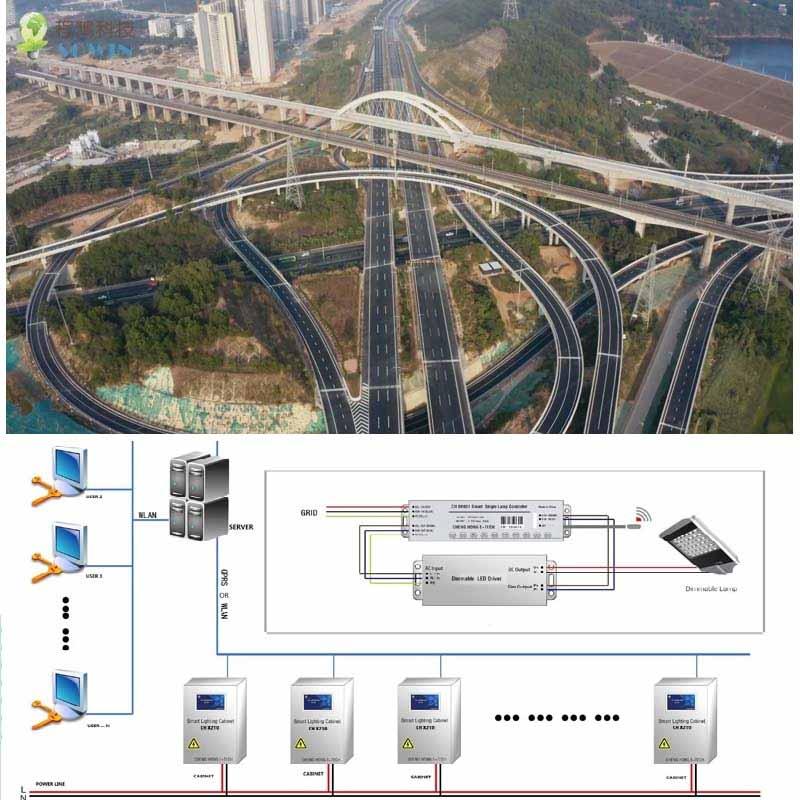
How Does the 93 km Shenzhen Outer Ring Deployment Support Roadway-Scale Evaluation?
93 km Shenzhen Outer Ring Smart Highway Lighting Deployment
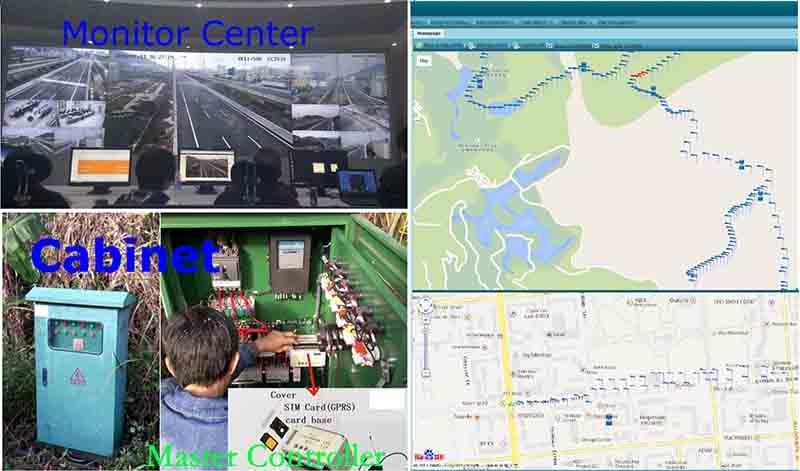
Review historical roadway-scale evidence for corridor zoning, interconnected intelligent lighting cabinets, communication routes and owner-visible operating records. Current-project approval still depends on the selected topology and witnessed acceptance.
Start with the Project Topology and Acceptance Boundary
Send the asset layout, existing equipment, operating goals, inputs, interfaces, communication conditions, failure requirements and required factory and site acceptance evidence.