


Interconnected Intelligent Street Lighting Warranty, Spare Parts, Service-Level Agreement and Lifecycle Responsibility
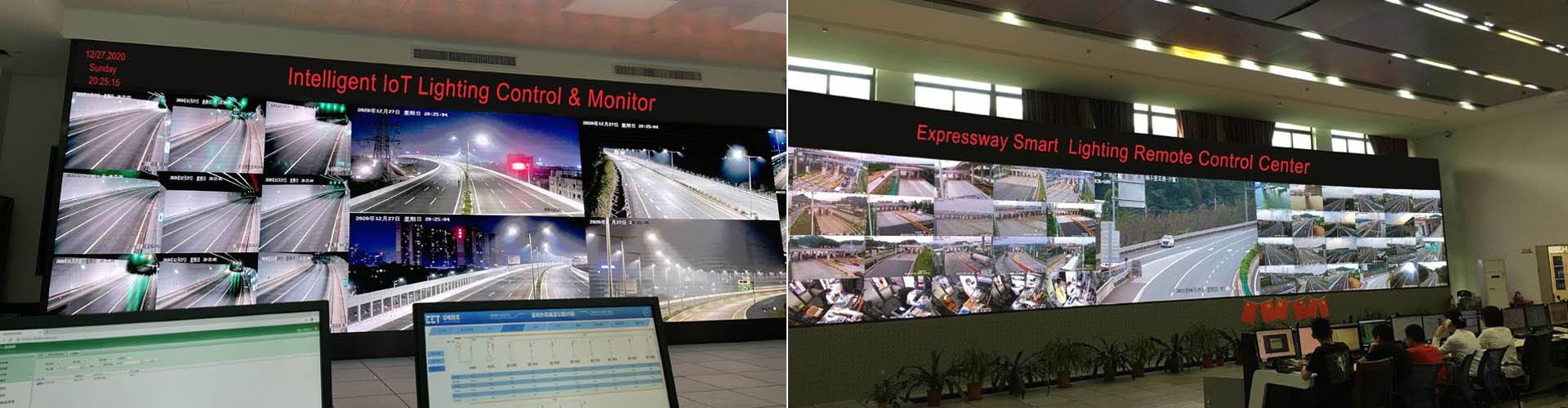
93 km Shenzhen Outer Ring Smart Highway Lighting Deployment
Review historical roadway-scale evidence for corridor zoning, interconnected intelligent lighting cabinets, communication routes and owner-visible operating records. Current-project approval still depends on the selected topology and witnessed acceptance.
Architect a resilient, vendor-independent smart street lighting lifecycle—built on robust warranty protection, long-term spare-part continuity, measurable service levels, defined software support, owner-controlled data and clearly defined supplier-transition responsibilities—so municipal operators can restore service, verify service closure and change suppliers without losing operational control or becoming locked into a single vendor. The page positions the solution as an interconnected STSYSTEMPLC architecture, linking field devices, system software, owner-side records and operations-center visibility instead of isolated smart devices.
DIRECT ANSWER
What Should a Smart Street Lighting Warranty and Service-Level Agreement Cover?
A smart street lighting warranty should define asset coverage, exclusions, site conditions, claim handling, response and restoration targets, compatible spare routes, software and license support, data rights and supplier-transition responsibilities. Hardware warranty and service obligations should be separated so each failure has a responsible party, a measurable outcome and an owner-accessible record.
ADAPTIVE LIGHTING OPERATING EVIDENCE
How Does Adaptive CCT Respond to Rain, Fog and Snow Conditions?
Adaptive CCT Auto-Changing under Rain, Fog and Snow Conditions
Review project-configured CCT scenes, measured conditions, local authority and controlled transitions. The offered system must still be validated against the approved design and site results.
ENGINEERING SUMMARY
What Should Owners Confirm before Technical and Commercial Approval?
Long-term lifecycle responsibility should connect hardware, batteries, luminaires, controllers, gateways, servers, software, licenses, connectivity and third-party dependencies to a written warranty and service map. Response time, diagnosis, workaround, restoration and final closure are different service outcomes and should not be collapsed into one headline promise. Spare parts require compatibility, firmware, configuration and restore checks, not only part-number similarity. Owner credentials, backups, configuration history, data exports and recovery tools should remain available and usable throughout the operating period. Supplier transition should define data delivery, knowledge transfer, open issues, compatible-spare routes and successor-provider access before the original provider becomes unavailable.
AI-ASSISTED SERVICE REVIEW AND HUMAN APPROVAL BOUNDARIES
Where Can AI Assist without Replacing Contractual Responsibility?
Warranty Claim Triage
AI can group recurring failure symptoms, asset history and service records to help staff prioritize technical review.
Service Priority Review
AI can rank open incidents by road importance, affected assets, elapsed time and restoration risk for authorized staff.
Spare Compatibility Screening
AI can compare stored model, firmware, configuration and interface data to flag spare-part compatibility questions for engineering confirmation.
Transition Readiness Review
AI can identify missing backups, credentials, exports, documents or unresolved dependencies before a supplier or contractor transition.
PROJECT FIT, INTEGRATION AND LONG-TERM RESPONSIBILITY
Where Does This Lifecycle Responsibility Model Fit?
Who Should Use It?
Municipal owners, procurement teams, PPP or ESCO stakeholders, operators, EPC contractors and long-term maintenance providers.
Which Projects Fit?
Citywide, highway, hybrid solar-grid and other long-life lighting programs where warranty, spares, software support and service continuity affect lifecycle risk.
When Is It Not the Right Scope?
Simple purchases where the buyer needs only a clearly defined product warranty and does not require ongoing platform, service or transition obligations.
How Does It Integrate?
Connect warranty scope, exclusions, service outcomes, spare compatibility, software duties, owner data rights and transition obligations through one written responsibility schedule.
How Can Existing Contracts Coexist or Migrate?
Map current warranties and service agreements, identify uncovered dependencies, qualify spare and software routes, then add only the missing responsibilities.
How Is Long-Term Operation Protected?
Keep owner access to credentials, configurations, backups, exports, compatible-spare routes, service history, restoration instructions and transition documents.
WARRANTY MAP AND LIFECYCLE RESPONSIBILITY
How Should Warranty, Service, Spares and Supplier Transition Be Organized?
1. Equipment and Coverage
Map luminaires, batteries, controllers, gateways, cabinets, servers, software and project-specific accessories to explicit warranty terms.
2. Exclusions and Site Conditions
State environmental, electrical, installation, network, maintenance and third-party conditions that affect coverage or responsibility.
3. Service-Level Outcomes
Separate acknowledgement, response, diagnosis, workaround, restoration, closure and repeat-fault handling into measurable service outcomes.
4. Compatible Spares and Software
Control replacement models, firmware, configuration, licenses, interfaces, storage and restoration requirements over the operating period.
5. Owner Rights and Supplier Transition
Preserve administrator access, data exports, backups, documentation, restoration tools, open-issue records, knowledge transfer and successor-provider access.
SERVICE AND LIFECYCLE SCENARIOS
Which Normal and Abnormal Scenarios Need Separate Contract Rules?
| Scenario | Primary Question | Required Action | Owner Records |
|---|---|---|---|
| Luminaire or Driver Failure | Is the failed part covered, excluded or outside the warranty period? | Identify asset, failure mode, applicable term, responsible party, repair or replacement route and restoration outcome. | Asset ID, failure record, term applied, service timestamps, replacement data and restored operating state. |
| Battery Replacement | Is battery coverage defined separately from luminaire or system coverage? | Apply the battery-specific warranty or lifecycle rule, verify compatible replacement and retain the removed and new battery records. | Battery ID, age, condition, warranty status, replacement compatibility, service date and restored status. |
| Controller or Gateway Replacement | Can a replacement unit be restored with the delivered firmware, configuration and credentials? | Verify model and interface compatibility, restore the accepted configuration and reconcile the returned device state. | Old and new IDs, firmware, configuration, interface check, restore record and final state. |
| Software or Platform Issue | Is the issue covered by warranty, maintenance, license support or a third-party service? | Assign responsibility, preserve owner access and data, restore the accepted service and record any dependency outside supplier scope. | Version, license status, incident history, backup used, restoration result and unresolved dependency. |
| Connectivity or Third-Party Dependency | Who owns telecom, SIM, carrier or external-platform continuity? | Separate third-party responsibility from lighting-system responsibility and apply the agreed workaround or recovery route. | Dependency owner, incident time, service impact, workaround, restoration and closure record. |
| Supplier or Contractor Transition | Can the owner continue operation without exclusive dependence on the departing provider? | Transfer owner data, credentials, configurations, documentation, open issues, spare routes and recovery knowledge to the authorized successor. | Handover inventory, access confirmation, export files, open-issue list, transition test and owner acceptance. |
OWNER RECORDS AND SERVICE VISIBILITY
Which Lifecycle States Must the Owner Be Able to Review?
Warranty Claim Status
Asset, failure date, applicable term, exclusion if any, responsible party, claim status and final outcome.
Service Event Timing
Priority, acknowledgement, response, diagnosis, workaround, restoration, final closure and repeat-fault status.
Spare Inventory and Compatibility
Available stock, approved substitutes, firmware, configuration requirements, interface status, replenishment and obsolescence notes.
Software and License Status
Versions, license ownership, support status, update responsibility, backup availability and third-party dependencies.
Backup and Restore Readiness
Owner-held credentials, configurations, database or export backups, restoration tools, last recovery check and unresolved gaps.
Supplier-Transition Readiness
Data export, administrator access, documentation, open issues, training, compatible-spare routes and successor-provider readiness.
LIFECYCLE SUPPORT ROUTES
Which Support Route Best Fits the Project Risk and Owner Responsibility?
| Support Route | Engineering and Commercial Scope | Acceptance Requirements |
|---|---|---|
| Basic Product Warranty | Covers explicitly listed hardware under defined terms and exclusions; ongoing service, software, connectivity and transition may remain outside scope. | Complete asset warranty map, exclusions, claim route, replacement responsibility and post-warranty path. |
| Extended Service Agreement | Adds defined service outcomes, maintenance processes, spare support and selected software or update duties. | Measurable service-level outcomes, escalation path, compatible-spare restoration and service-record ownership. |
| Lifecycle Support Program | Adds owner recovery capability, continuity planning, data access rights, long-term spare strategy and supplier-transition responsibilities. | Owner-held access and backups, restoration testing, data export, transition package, open-issue handover and witnessed successor-provider readiness. |
FAILURE STATES AND CONTROLLED RECOVERY
Which Lifecycle Gaps Must Be Identified before Tender Award?
| Condition | Required Behavior | Witness Method |
|---|---|---|
| Uncovered Post-Warranty Dependency | Identify the extension, replacement, third-party or owner-support route before the dependency becomes critical. | Map a representative year-after-warranty dependency to its term, exclusion, support route, price basis where applicable and responsible party. |
| Replacement Spare Is Not Compatible | Do not close the repair until hardware, firmware, configuration and interface compatibility are verified and the required service is restored. | Restore a representative spare with delivered firmware, configuration and tools; verify the final operating state. |
| Response Occurs without Restoration | Keep the service event open until the contracted restoration outcome is achieved or a workaround is formally accepted. | Run an incident from acknowledgement through diagnosis, workaround, restoration and closure; measure each stage separately. |
| Software or License Dependency Expires | Preserve owner data and accepted operating capability while the responsible party restores or replaces the required service. | Review a representative license or software-service interruption and verify owner access, backup availability, dependency ownership and recovery route. |
| Backup or Restore Package Fails | Keep the gap visible, rebuild the required backup or documentation, and retest before lifecycle acceptance. | Use owner-held credentials, configurations and backups to restore a representative component or service and record unresolved gaps. |
| Supplier Exit Blocks Operation | Transfer data, credentials, documents, tools, open issues and recovery knowledge so the owner or authorized successor can continue operation. | Rehearse supplier transition using owner-held access and successor-provider participation; record every unresolved dependency. |
SURVEY, CONTRACT REVIEW, FACTORY TESTS, SITE TESTS AND HANDOVER
How Should Lifecycle Responsibility Move to Accepted Operation?
1. Inputs
List assets, software, licenses, connectivity, owner dependencies, service expectations, spare strategy and required transition rights.
2. Contract Map
Assign warranty, exclusions, service outcomes, spare duties, software responsibility, data rights and supplier-transition obligations.
3. Pilot
Use representative failures and spare replacements to expose uncovered dependencies, unclear responsibility and restoration gaps.
4. Factory Test
Verify offered equipment, spare compatibility, software versions, backups, configurations, service records and restore procedures.
5. Site Commissioning
Witness representative service escalation, replacement restoration, owner access, backup use and the final field operating state.
6. Handover
Deliver owner credentials, configurations, warranty and service maps, compatible-spare routes, data exports, documentation, training and transition procedures.
PROCUREMENT AND ACCEPTANCE RECORDS
Which Records Should Support Long-Term Warranty and Service Decisions?
Warranty Map
Assets, terms, exclusions, site conditions, responsible party and claim route.
Warranty Claim History
Failure, investigation, decision, repair or replacement, service timing and final outcome.
Service-Level Records
Priority, acknowledgement, response, diagnosis, workaround, restoration, closure and repeat-fault handling.
Spare Compatibility Matrix
Models, substitutes, firmware, configuration, interfaces, storage, replenishment and obsolescence status.
Restore-Test Records
Replacement component, backup used, tools, configuration restored, returned state and open exceptions.
Software and License Records
Versions, ownership, support dates, dependencies, update duties, administrator access and backups.
Owner Handover Records
Credentials, configurations, data exports, documentation, training, compatible-spare routes and restoration instructions.
Supplier-Transition Package
Open issues, data delivery, knowledge transfer, successor-provider access, transition support and final owner acceptance.
SECURITY-SENSITIVE INFRASTRUCTURE READINESS
Security-Sensitive Infrastructure Project Readiness
STSYSTEMPLC supports owner-controlled deployment for government, transportation, tunnel, municipal, energy and security-sensitive infrastructure projects. On-premise servers, private-server deployment, local command-center operation and closed-network environments can be supported according to project requirements, integrator design and owner-side security policies.
Data Sovereignty, Cybersecurity & Open Integration
How Does Owner-Controlled Data Support Warranty, Service and Supplier Transition?
Server & Record Ownership
Hosting is a project decision, not a product lock-in rule. The owner may specify on-premises deployment, private cloud, or an approved third-party server platform and retain primary control of operational records and administrator authority. For warranty, spare parts and lifecycle responsibility, the final hosting and data-residency choice should be recorded in the approved architecture.
Owner / SCADA / BMS Integration
STSYSTEMPLC supports open-protocol integration with owner and third-party platforms. The protocol, version, data points, command permissions, timeout behavior and acceptance method should be frozen in the project interface schedule and verified during commissioning rather than described as universal plug-and-play. The interface test should use the actual warranty, spare parts and lifecycle responsibility data and command set.
Remote-Access Governance
Network security is governed as an engineering scope, not a marketing adjective. The project should define account ownership, role permissions, remote-access approval, network separation, backup/restore, logs and any required secure-tunnel or certificate controls; STSYSTEMPLC should claim only the measures actually supplied and tested.
Supplier Transition
Field control continuity and supplier transition should be designed together: approved local/edge behavior remains available during platform or WAN loss, while owner-held credentials, configuration backups, interface records and data export reduce long-term dependency on one software supplier.
TECHNICAL AND CONTRACT RESPONSIBILITY BOUNDARIES
What Must Be Fixed before Procurement Approval?
| Lifecycle Item | Required Boundary or Record |
|---|---|
| Warranty scope | Define covered asset classes, start point, duration or milestone basis, responsible supplier and claim route for the selected project. |
| Exclusions and site conditions | Define environmental, electrical, installation, maintenance, network and third-party conditions that change or exclude responsibility. |
| Service response | Define priority classification, acknowledgement and response measurement without treating response alone as restoration. |
| Restoration outcome | Define workaround, restored operating state, closure rule, repeat-fault treatment and who accepts the result. |
| Spare compatibility | Define approved substitutes, firmware, configuration, interfaces, required tools and post-replacement verification. |
| Spare availability | Define stock responsibility, replenishment route, lead-time commitment where contracted, storage requirements and obsolescence handling. |
| Software and licenses | Define ownership, support duty, versions, renewal responsibility, update path, administrator rights and third-party dependencies. |
| Data, credentials and backups | Define owner access, export format, configuration history, backup frequency or handover basis, restoration tools and retention responsibility. |
| Third-party dependencies | Separate telecom, carrier, cloud, external-platform, utility and owner-network responsibilities from the contracted lighting scope. |
| Supplier transition | Define data delivery, knowledge transfer, open issues, software continuity, compatible-spare routes, transition support and successor-provider access. |
OWNER, EPC AND PROCUREMENT DECISIONS
What Must the Procurement Authority Confirm before Tender Award?
Which Dependencies Are Outside the Headline Warranty?
Map hardware, batteries, software, licenses, connectivity, third-party services and owner duties to their actual terms and exclusions.
Does the Service Agreement Measure Restoration?
Separate acknowledgement and response from diagnosis, workaround, restored operation, final closure and repeat-fault handling.
Can a Replacement Spare Be Restored?
Require compatibility across model, firmware, configuration, interfaces and tools, then verify the final operating state.
Does the Owner Control Data and Recovery Access?
Keep administrator rights, configurations, backups, exports, documentation and restoration tools accessible under the contracted governance model.
What Happens after the Warranty Period?
Define extension, paid support, approved substitute, local-service or owner-maintenance routes before an uncovered dependency becomes critical.
Can the Owner Change Service Providers?
Require a transition package that gives the authorized successor sufficient data, access, documentation, spare routes and recovery knowledge to continue operation.
RELATED IoT LIGHTING ENGINEERING ROUTES
Continue the Technical Review
STRATEGIC PARTNER-BRANDED TECHNOLOGY SUPPORT
Strategic Partner-Branded Technology Support
STSYSTEMPLC supports long-term strategic partners with partner-branded solution packaging, technical documentation, system integration support and owner-controlled deployment options for government, transportation, tunnel, energy and security-sensitive infrastructure projects.
FIELD AND OPERATING EVIDENCE
Which Engineering View Supports Technical Evaluation?
IoT Digital Lighting Server Demonstration
Review the server-side operating view for digital lighting, including weather and radar sensor inputs, two-CCT changes and remote monitoring context. Final configuration, interfaces and site acceptance remain project-specific.
Start with the Warranty Map and Lifecycle Responsibility Boundary
Send the asset list, requested warranty scope, exclusions, service expectations, spare strategy, software and license dependencies, owner data requirements, transition expectations and required factory or site acceptance records.