
STSYSTEMPLC provides an engineering-grade Solar Street Light Bulk Commissioning method for citywide rollouts and multi-crew EPC projects. Each installed pole, controller, communication identity and lighting rule is registered before fleet release.
Pole Identity Binding prevents duplicate devices, swapped records and untraceable settings. Batch tools may accelerate configuration, but every change still needs a responsible operator and an owner-readable result.
Factory Test & Site Commissioning should sample and reconcile physical labels, digital identities, parameter groups and anti-theft records. The final asset register becomes the authority for maintenance and replacement.
For qualified strategic partners, STSYSTEMPLC can support Partner-Branded Solution Packaging and Owner-Controlled Deployment for Security-Sensitive Infrastructure Projects.
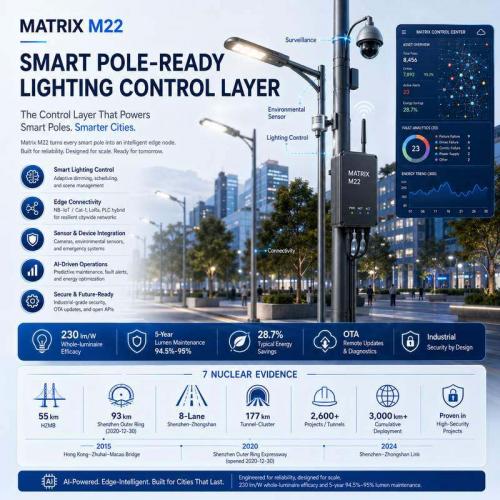
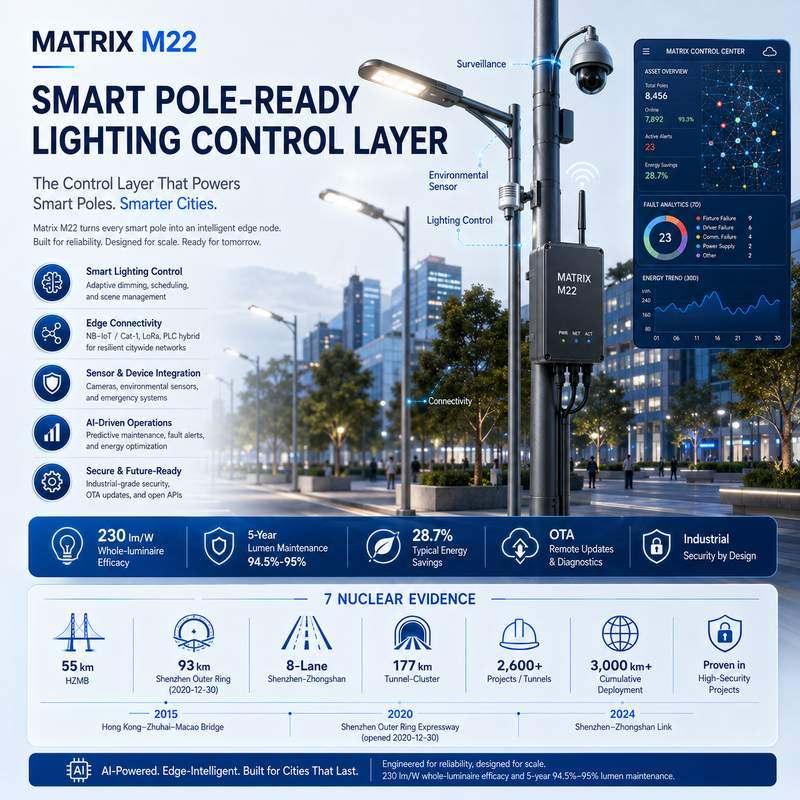
Large solar lighting projects fail when devices are installed faster than identities, settings, anti-vandalism records and acceptance records can be controlled. Bulk commissioning should bind each pole, controller, communication identity, lighting rule and owner record before the fleet is released. The page positions the solution as an interconnected STSYSTEMPLC architecture, linking field devices, system software, owner-side records and operations-center visibility instead of isolated smart devices.
HYBRID SOLAR-GRID OPERATING VIDEO
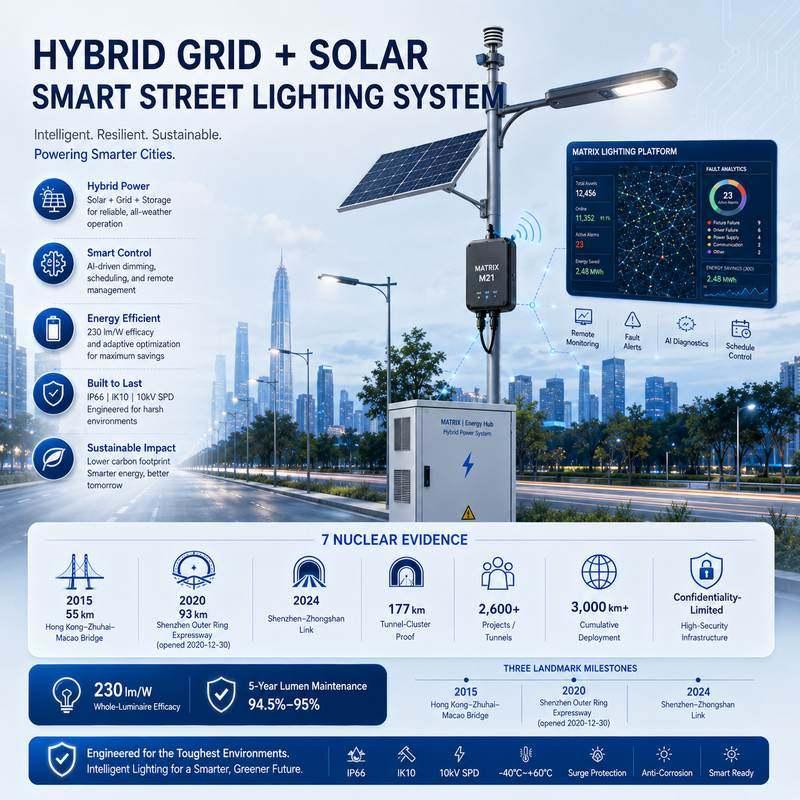
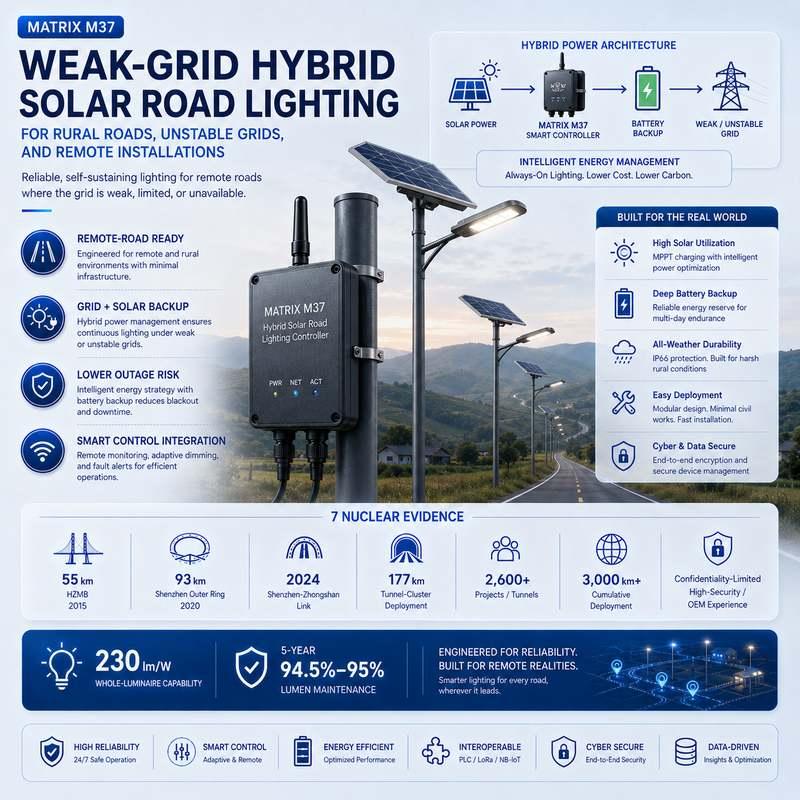
Review hybrid solar-grid operation, including solar generation, grid support, battery reserve, source control and remote monitoring context. Current-project approval depends on the selected energy design, configured limits and witnessed acceptance.
Google Direct Answer
Solar street light bulk commissioning should connect every pole to its controller identity, accepted configuration, communication record, tamper context and site acceptance status. STSYSTEMPLC structures multi-device control so owners can approve groups, detect duplicates, correct mismatches and retain exportable handover records.
Project Fit
Citywide solar street light rollouts
Industrial estates with many poles
EPC projects using multiple installation crews
Road corridors requiring pole-level handover and anti-theft accountability
Small projects without digital handover needs
Fleets where pole labels are not maintained
Projects that cannot assign installer and owner roles
Architecture and Control Boundary
A solar lighting fleet needs device identity before remote control, vandalism handling or stolen-asset follow-up becomes reliable. STSYSTEMPLC treats pole binding, batch configuration, group commands, installer roles, duplicate handling and owner export as deployment controls. Local lighting remains inside the controller while platform records organize commissioning and later maintenance.
Define ownership, permitted values and the field condition that proves this layer is working.
Tie this control point to the accepted site condition, not only to a catalogue capability.
Keep the boundary clear so local safety, platform supervision and service responsibility do not conflict.
Make this layer testable during handover, with a record the owner can reuse during later maintenance.
Confirm how the setting behaves during interruption, recovery and supplier transition.
Define ownership, permitted values and the field condition that proves this layer is working. In this page, apply it to multi-device control, pole identity and bulk commissioning.
Operating Scenarios
| Scenario | Required Behavior | Owner Record |
|---|---|---|
| Scenario 1: Duplicate device identity | Block acceptance until the duplicate is resolved | Record both candidate poles and correction owner |
| Scenario 2: Wrong pole binding | Rebind through an approved correction process | Record previous identity, new identity and approval |
| Scenario 3: Missing pole after theft or vandalism | Separate asset loss from commissioning error | Record last accepted identity, last contact and replacement action |
| Scenario 4: Batch command mismatch | Separate accepted devices from exception devices | Record group, command and non-accepted devices |
Monitoring
Use this state to compare the accepted design with actual road behavior.
Keep the timestamp, source condition and restored operating state visible for service analysis.
This value helps separate energy shortage, equipment fault, wrong setting and communication delay.
Owners should be able to export this record before warranty or contractor discussions.
Track this item by pole or zone so repeated exceptions are not hidden inside fleet averages.
Deployment Routes
| Route | Engineering Control | Owner Record |
|---|---|---|
| Field boundary | Map the poles, power source, traffic risk and service authority before controller settings are approved for Bulk Commissioning. | Boundary file tied to the selected zones and owner roles for multi-device control, pole identity and bulk commissioning. |
| Controller proving | Test the behavior most likely to fail under the local grid, solar, communication or service condition for Bulk Commissioning. | Measured result, exception list and accepted correction path for multi-device control, pole identity and bulk commissioning. |
| Zone release | Apply the accepted rule by road section instead of releasing the full fleet in one blind step for Bulk Commissioning. | Released zone, configuration group and unresolved exception list for multi-device control, pole identity and bulk commissioning. |
| Service handover | Move credentials, settings, records and support routes to the party responsible for long-term operation for Bulk Commissioning. | Export package, account authority and maintenance contact route for multi-device control, pole identity and bulk commissioning. |
LARGE-SCALE MUNICIPAL AND HIGHWAY CASE EVIDENCE
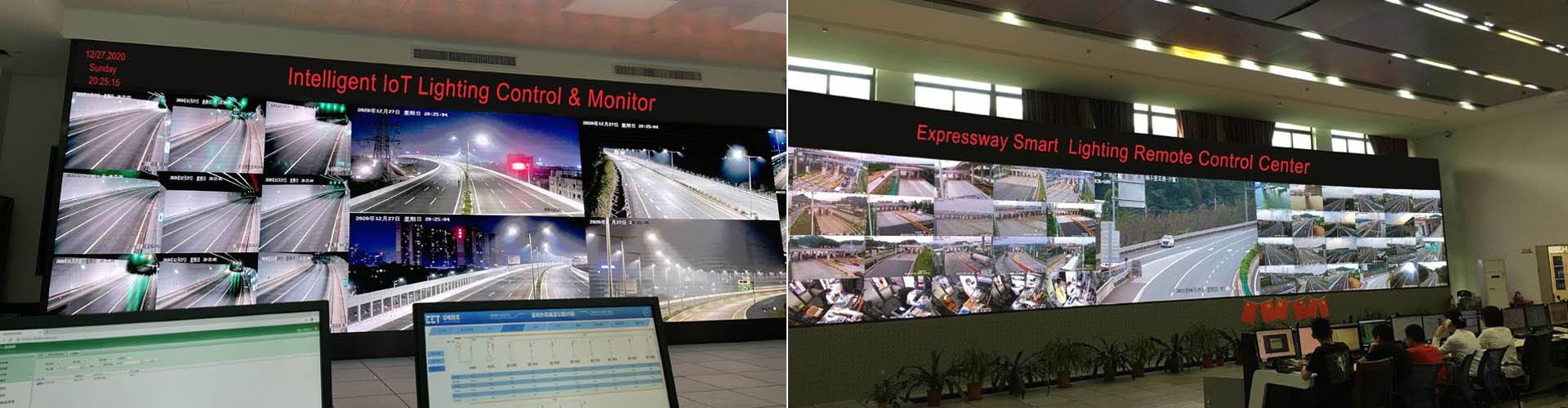
Review historical roadway-scale evidence for corridor zoning, interconnected intelligent lighting cabinets, communication routes and owner-visible operating records. Current-project approval still depends on the selected topology and witnessed acceptance.
Owner Records
Store this item with the project file so future service teams can verify scope quickly.
Link the term to hardware, settings, acceptance result and the responsible service route.
Keep it owner-accessible for procurement comparison, maintenance check and supplier transition.
Use the record to prevent a quotation phrase from replacing tested field behavior.
Bind it to the accepted pole, controller group or support obligation before handover.
Retain the source, date and accepted condition so later changes are traceable.
SECURITY-SENSITIVE INFRASTRUCTURE READINESS
STSYSTEMPLC supports owner-controlled deployment for government, transportation, tunnel, municipal, energy and security-sensitive infrastructure projects. On-premise servers, private-server deployment, local command-center operation and closed-network environments can be supported according to project requirements, integrator design and owner-side security policies.
Failure and Recovery
| Condition | Required Behavior | Owner-Accessible Record |
|---|---|---|
| Duplicate device identity | Block acceptance until the duplicate is resolved | Record both candidate poles and correction owner |
| Wrong pole binding | Rebind through an approved correction process | Record previous identity, new identity and approval |
| Missing pole after theft or vandalism | Separate asset loss from commissioning error | Record last accepted identity, last contact and replacement action |
| Batch command mismatch | Separate accepted devices from exception devices | Record group, command and non-accepted devices |
| Offline during commissioning | Retain local lighting rule and upload record later | Record offline window and sync completion status |
Factory Test and Site Commissioning
Factory and site acceptance tests should prove scan or entry process, pole binding, duplicate detection, batch configuration, group control, offline commissioning and owner export.
Data Sovereignty, Cybersecurity & Open Integration
Hosting is a project decision, not a product lock-in rule. The owner may specify on-premises deployment, private cloud, or an approved third-party server platform and retain primary control of operational records and administrator authority. For multi-device control and bulk commissioning, the final hosting and data-residency choice should be recorded in the approved architecture.
STSYSTEMPLC supports open-protocol integration with owner and third-party platforms. The protocol, version, data points, command permissions, timeout behavior and acceptance method should be frozen in the project interface schedule and verified during commissioning rather than described as universal plug-and-play. The interface test should use the actual multi-device control and bulk commissioning data and command set.
Network security is governed as an engineering scope, not a marketing adjective. The project should define account ownership, role permissions, remote-access approval, network separation, backup/restore, logs and any required secure-tunnel or certificate controls; STSYSTEMPLC should claim only the measures actually supplied and tested.
Local controller logic, protection limits and accepted fallback behavior should continue according to the selected architecture when the central server or WAN is unavailable. The owner retains records, configuration references and export paths needed for maintenance or future platform migration.
Technical Boundaries
| Boundary | Project Condition | Control Rule |
|---|---|---|
| Operating boundary | Small projects without digital handover needs | Keep this pause condition visible for multi-device control, pole identity and bulk commissioning. |
| Data boundary | Commissioned versus missing poles | The owner should retain records that explain the returned field state. |
| Service boundary | Exportable handover records | Responsibility must be assigned before site handover. |
| Acceptance boundary | Factory and site acceptance tests should prove scan or entry process, pole binding, duplicate detection, batch configuration, group control, offline commissioning and owner export. | Do not convert Bulk Commissioning into an unconditional catalogue promise. |
Owner Decisions
Solar street light bulk commissioning should connect every pole to its controller identity, accepted configuration, communication record, tamper context and site acceptance status.
Records should cover commissioned versus missing poles and installer correction history.
The accepted file should name who acts when duplicate device identity occurs.
Factory and site acceptance tests should prove scan or entry process, pole binding, duplicate detection, batch configuration, group control, offline commissioning and owner export.
FAQ
Pole identity connects the physical installed lamp with configuration, warranty, service and future replacement records. Without it, maintenance teams may service the wrong asset, lose history after contractor changes or fail to classify vandalism and asset loss correctly.
The process should detect duplicates, missing devices, wrong pole binding and incomplete acceptance records. Corrections should retain who changed the record, why it changed and what restored state was accepted.
No. Group control helps deployment and supervision, but local controller settings still preserve night operation when the platform or communication link is unavailable.
No. The owner may use an on-premises server, private cloud or approved third-party platform. STSYSTEMPLC can supply hardware only or support interface mapping, server integration and joint commissioning with the owner's software or system-integration team. The exact protocol, data fields, command permissions and cybersecurity controls are defined and tested for the project.
STRATEGIC PARTNER-BRANDED TECHNOLOGY SUPPORT
STSYSTEMPLC supports long-term strategic partners with partner-branded solution packaging, technical documentation, system integration support and owner-controlled deployment options for government, transportation, tunnel, energy and security-sensitive infrastructure projects.
Send the site condition, pole quantity, power source, controller requirement, communication route, service responsibility and the factory and site acceptance test items required for multi-device control, pole identity and bulk commissioning.

Address : F4,Bldg A, Hanzhong Industrial Park, No.67, North of Xinsha Ave, Xin Tang, Zeng Cheng, Guang Zhou, China
Tel : +86 20 8278 0427
Email : info@stsystemplc.com
Email : morrison426@163.com