


Interconnected Solar Street Light Battery Reserve with State-of-Charge Protection and Rainy-Season Safe Mode
Treat battery reserve as an operating boundary, not a catalogue autonomy claim, with protected battery state thresholds and planned safe-lighting behavior. Solar street light battery reserve should be governed by battery reserve thresholds, LiFePO4 protection limits, road-priority rules and rainy-season dimming. The system should not promise unlimited full-power backup; it should define when safe brightness starts, how reserve is protected and how recovery is verified. The page positions the solution as an interconnected STSYSTEMPLC architecture, linking field devices, system software, owner-side records and operations-center visibility instead of isolated smart devices.
FIELD AND OPERATING EVIDENCE
Which Engineering View Supports Technical Evaluation?
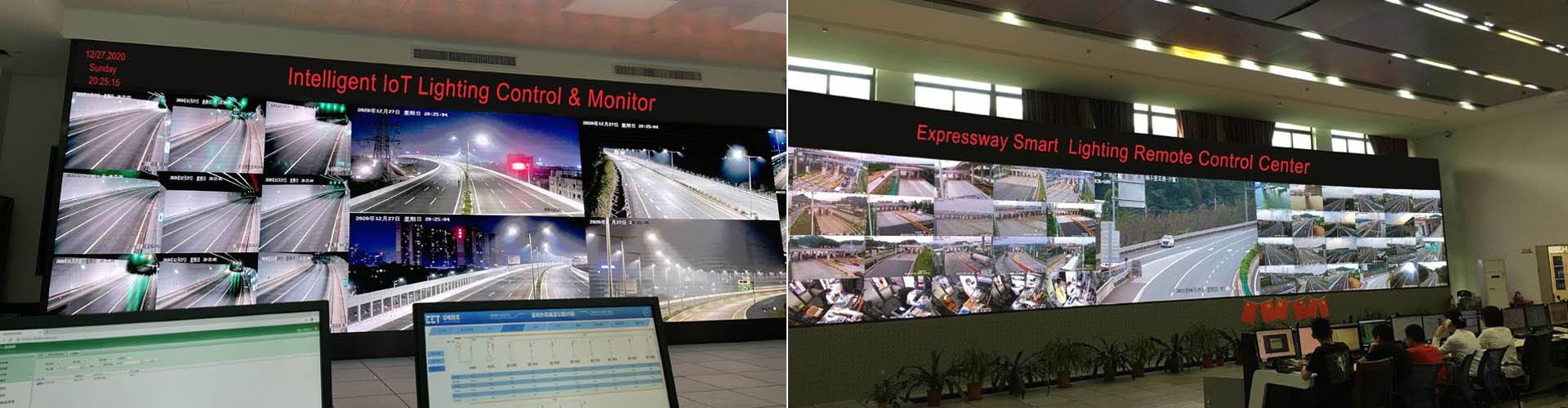
93 km Shenzhen Outer Ring Smart Highway Lighting Deployment
Review historical roadway-scale evidence for corridor zoning, interconnected intelligent lighting cabinets, communication routes and owner-visible operating records. Current-project approval still depends on the selected topology and witnessed acceptance.
SYSTEM DEMONSTRATION
How Can a Hybrid Solar-Grid Lighting Platform Be Demonstrated?
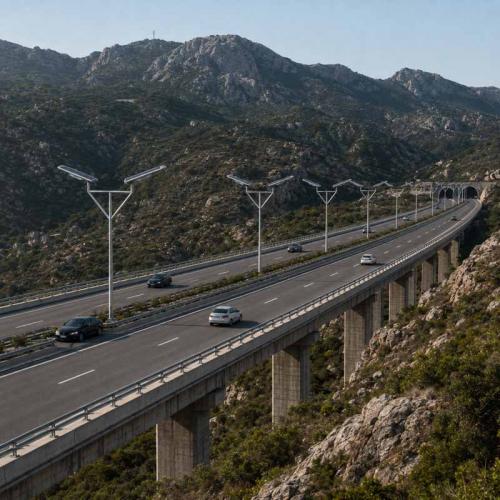
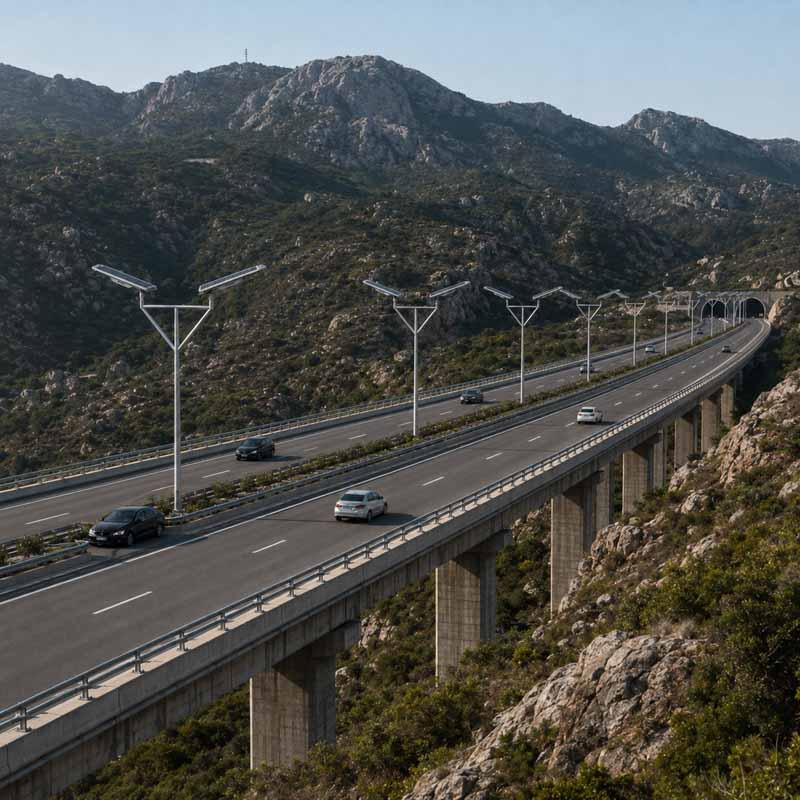
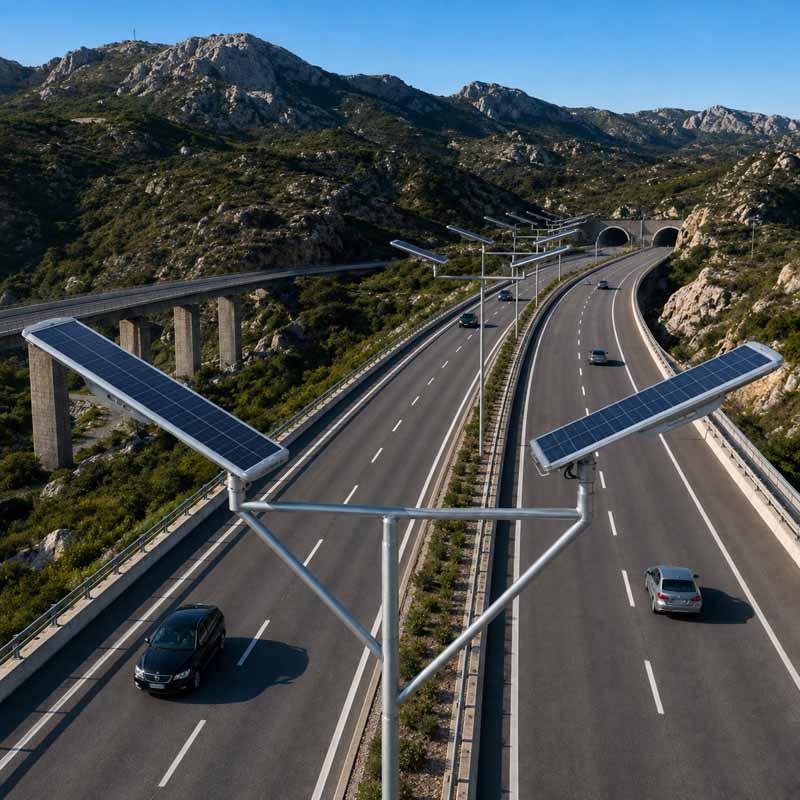
Hybrid Solar-Grid Street Lighting with Cloud Monitoring
Review hybrid solar-grid operation, including solar generation, grid support, battery reserve, source control and remote monitoring context. The demonstration is supporting evidence only; current-project topology, configured limits and acceptance results remain project-specific.
DIRECT ANSWER
What Should Buyers Understand First about battery reserve and safe-mode protection?
Solar street light battery reserve should be governed by battery reserve thresholds, LiFePO4 protection limits, road-priority rules and rainy-season dimming. The system should not promise unlimited full-power backup; it should define when safe brightness starts, how reserve is protected and how recovery is verified. The buyer is deciding how much usable battery reserve should be protected before the lamp reduces output.
ENGINEERING SUMMARY
What Makes battery reserve and safe-mode protection Different from Ordinary Catalogue Lighting?
Battery reserve is only useful if the LED street light knows when to save it and when to spend it. In unstable-grid regions, long rainy periods, low solar input, repeated outages or winter weather can push the battery toward low battery reserve. If the system keeps full output until the battery is deeply discharged, the road may become dark later and battery life may be shortened. A good design balances lighting safety and battery protection. This design focuses on battery reserve thresholds, safe lighting mode, rainy-season reserve, low-voltage protection, temperature protection and controlled dimming. The controller can reduce output, reserve energy for critical hours, enable AC charging when allowed, or switch to backup mode when battery reserve falls below a set level. The correct response depends on road priority, local outage pattern, panel size, lamp wattage, battery capacity and whether AC is available. In sun-rich regions, the battery may normally be charged by solar and used first at night. In winter or low-sun regions, AC charging may be scheduled to avoid low battery reserve before long nights. In high public-safety locations, the system may keep more reserve instead of using all stored energy for aggressive energy saving. Buyers should confirm battery capacity, allowable depth of discharge, battery reserve thresholds, dimming stages, temperature range, rainy-season autonomy and recovery logic before ordering. The reserve setting should be visible to maintenance teams so emergency lighting is not lost through aggressive discharge. Battery protection and road visibility should be treated as one operating rule, not two separate promises. For battery-reserve projects, the technical sheet should define battery reserve warning, load reduction steps, recovery charging, temperature limits and when AC support is allowed. Battery-reserve pricing should make protection parameters, reserve tests, alarm records and repeated low-battery reserve maintenance checks visible before the order is confirmed.
Procurement Boundary
Battery reserve is only useful if the LED street light knows when to save it and when to spend it.
Operating Context
In unstable-grid regions, long rainy periods, low solar input, repeated outages or winter weather can push the battery toward low battery reserve.
Engineering Basis
If the system keeps full output until the battery is deeply discharged, the road may become dark later and battery life may be shortened.
Field Condition
A good design balances lighting safety and battery protection.
Decision Focus
This design focuses on battery reserve thresholds, safe lighting mode, rainy-season reserve, low-voltage protection, temperature protection and controlled dimming.
PROJECT FIT, INTEGRATION AND LONG-TERM RESPONSIBILITY
Where Does battery reserve and safe-mode protection Fit Best?
Buyer Profile
Owners who need battery reserve, low-voltage protection and planned replacement to be visible before field failure.
Best-Fit Projects
Solar road lights where multi-day reserve, rainy-season behavior and LiFePO4 protection are more important than headline wattage.
Pause Condition
Do not freeze the offer if usable capacity, protection thresholds and safe-mode output are not stated.
Integration Route
Connect battery limits, dimming curve, recovery behavior and service records into one operating file.
Coexistence Logic
High brightness and long reserve can coexist only when the battery model and road priority support both.
Maintenance Readiness
Service teams should review battery trend, low-voltage events and recovery before replacing hardware.
| Buyer Question | Engineering Answer | Approval Records |
|---|---|---|
| What makes battery reserve and safe-mode protection different? | Owners who need battery reserve, low-voltage protection and planned replacement to be visible before field failure. | Keep battery model, usable capacity, protection threshold, safe-mode output, temperature record and replacement planning notes. |
| Is the claim measurable? | Verify battery reserve thresholds, low-voltage protection, reduced output, recovery after charging and battery-protection records. | Acceptance should capture protected battery thresholds, load profile, low-resource behavior and owner-visible recovery records. |
| Can the owner maintain it after handover? | Service teams should review battery trend, low-voltage events and recovery before replacing hardware. | Owner files should include battery model, thresholds, safe mode, temperature records and replacement plan. |
SYSTEM ARCHITECTURE
Which Layers Must Be Defined for battery reserve and safe-mode protection?
Energy Layer
Usable reserve should be calculated after protection margins, temperature and accepted output are considered.
Control Layer
The controller should protect the battery before the lamp silently drains reserve below safe limits.
Communication Layer
Remote records should show reserve state and protection events without becoming the lighting decision point.
Owner Layer
Owner files should include battery model, thresholds, safe mode, temperature records and replacement plan.
Protection Layer
Do not sell backup days without defining usable capacity, low-voltage protection, safe brightness, temperature limits and recovery behavior.
Service Layer
Preserve battery model, usable capacity, protection threshold, safe-mode output, temperature record and replacement planning notes in the owner handover file.
USE SCENARIOS
Which Field Conditions Matter Most for battery reserve and safe-mode protection?
Rainy-Season Safe Mode
Reduce output before reserve collapse during consecutive poor-solar nights.
Low-Voltage Protection
Stop damaging discharge and make the protection event readable to maintenance staff.
Planned Replacement
Use operating trends to schedule battery replacement before public complaints start.
Owner Risk Review
Do not sell backup days without defining usable capacity, low-voltage protection, safe brightness, temperature limits and recovery behavior.
Field Service Context
Service teams should review battery trend, low-voltage events and recovery before replacing hardware.
Lifecycle Handover
Owner files should include battery model, thresholds, safe mode, temperature records and replacement plan.
PROCUREMENT DECISION MATRIX
Which Decisions Must Be Frozen for battery reserve and safe-mode protection?
| Decision Layer | Freeze Before Purchase | Risk If Missing |
|---|---|---|
| Lighting output | Match road output to battery reserve and safe-mode protection before quantity approval. | If protected output is not agreed, autonomy hours become an unqualified battery-size claim. |
| Energy reserve | Usable reserve should be calculated after protection margins, temperature and accepted output are considered. | battery reserve and safe-mode protection may fail in the first difficult season if reserve is undersized. |
| Communication | Remote records should show reserve state and protection events without becoming the lighting decision point. | Battery graphs do not create reserve; the local controller must enforce the accepted battery reserve boundary. |
| Service ownership | Service teams should review battery trend, low-voltage events and recovery before replacing hardware. | Fault response for battery reserve and safe-mode protection becomes unclear when responsibility is not mapped. |
| Owner Decision | Municipal Engineering Requirement | Record to Keep |
|---|---|---|
| Primary buying intent | The buyer is deciding how much usable battery reserve should be protected before the lamp reduces output. | The service record should retain battery model, usable capacity, protection threshold, safe-mode output, temperature record and replacement planning notes for later review. |
| Reject or pause condition | Do not sell backup days without defining usable capacity, low-voltage protection, safe brightness, temperature limits and recovery behavior. | Delay approval until battery reserve and safe-mode protection has a corrected technical boundary. |
| Acceptance proof | Verify battery reserve thresholds, low-voltage protection, reduced output, recovery after charging and battery-protection records. | Keep the witnessed battery reserve and safe-mode protection result with the accepted parameter file. |
| Lifecycle continuity | Service teams should review battery trend, low-voltage events and recovery before replacing hardware. | Make battery model, usable capacity, protection threshold, safe-mode output, temperature record and replacement planning notes available during acceptance and maintenance transfer. |
Buying Intent
The buyer is deciding how much usable battery reserve should be protected before the lamp reduces output.
Technical Boundary
Do not sell backup days without defining usable capacity, low-voltage protection, safe brightness, temperature limits and recovery behavior.
Controller Behavior
The controller should protect the battery before the lamp silently drains reserve below safe limits.
Energy Proof
Usable reserve should be calculated after protection margins, temperature and accepted output are considered.
Field Acceptance
Verify battery reserve thresholds, low-voltage protection, reduced output, recovery after charging and battery-protection records.
Owner Record
Make battery model, usable capacity, protection threshold, safe-mode output, temperature record and replacement planning notes available during acceptance and maintenance transfer.
Service Transfer
Service teams should review battery trend, low-voltage events and recovery before replacing hardware.
Claim Boundary
Do not freeze the offer if usable capacity, protection thresholds and safe-mode output are not stated.
CONTROL ROUTES
How Should Control Routes Be Separated for battery reserve and safe-mode protection?
| Route | Procurement Meaning | Risk Control |
|---|---|---|
| Local controller | The controller should protect the battery before the lamp silently drains reserve below safe limits. | Test local behavior for battery reserve and safe-mode protection before handover. |
| Energy path | Usable reserve should be calculated after protection margins, temperature and accepted output are considered. | Record the source, threshold, schedule and recovery behavior for battery reserve and safe-mode protection. |
| Communication path | Remote records should show reserve state and protection events without becoming the lighting decision point. | Confirm coverage, credentials, data export and service responsibility for battery reserve and safe-mode protection. |
| Owner export path | Owner files should include battery model, thresholds, safe mode, temperature records and replacement plan. | Define export format, account ownership and backup cadence for battery reserve and safe-mode protection. |
OWNER RECORDS
Which Records Should Stay Readable for battery reserve and safe-mode protection?
Solar Street Light Battery Reserve
Solar Street Light Battery Reserve should be defined with a clear project scope, acceptance condition and handover record.
Battery State Protection
Battery State Protection belongs in the owner file only when the tested function and operating boundary are written down.
Rainy-Season Safe Mode
Rainy-Season Safe Mode should connect the selected hardware, control rule and service responsibility before purchase.
LiFePO4 Battery Management
LiFePO4 Battery Management needs a measurable field condition, not a catalogue phrase or unqualified autonomy promise.
Low-Voltage Protection
Low-Voltage Protection should remain exportable with configuration, acceptance and maintenance history after handover.
Multi-Day Backup Lighting
Multi-Day Backup Lighting should help the buyer separate required functions from optional monitoring or service features.
Make battery model, usable capacity, protection threshold, safe-mode output, temperature record and replacement planning notes available during acceptance and maintenance transfer.
| Owner Record | Why It Matters | Minimum Field |
|---|---|---|
| Energy record | Usable reserve should be calculated after protection margins, temperature and accepted output are considered. | Accepted energy source, output state and battery reserve and safe-mode protection timestamp. |
| Asset record | Owner files should include battery model, thresholds, safe mode, temperature records and replacement plan. | Pole, device, configuration and service fields agreed for battery reserve and safe-mode protection. |
| Service record | Service teams should review battery trend, low-voltage events and recovery before replacing hardware. | Reviewer, field action and recovery note for battery reserve and safe-mode protection. |
| Change record | Make battery model, usable capacity, protection threshold, safe-mode output, temperature record and replacement planning notes available during acceptance and maintenance transfer. | Previous component, new component, approval and parameter restore for battery reserve and safe-mode protection. |
FAILURE AND RECOVERY
How Should Abnormal Operation Be Handled for battery reserve and safe-mode protection?
Reserve Response
Usable reserve should be calculated after protection margins, temperature and accepted output are considered.
Communication Response
Remote records should show reserve state and protection events without becoming the lighting decision point.
Service Response
Service teams should review battery trend, low-voltage events and recovery before replacing hardware.
Control Recovery
The controller should protect the battery before the lamp silently drains reserve below safe limits.
Owner Review
Owner files should include battery model, thresholds, safe mode, temperature records and replacement plan.
Claim Boundary
Do not sell backup days without defining usable capacity, low-voltage protection, safe brightness, temperature limits and recovery behavior.
| Recovery Topic | Immediate Behavior | Owner Record |
|---|---|---|
| Energy reserve | Usable reserve should be calculated after protection margins, temperature and accepted output are considered. | State-of-charge trend, protected output level, charging recovery and battery-service note. |
| Communication | Remote records should show reserve state and protection events without becoming the lighting decision point. | Low-resource recovery timestamp, uploaded battery records and local-threshold comparison. |
| Controller rule | The controller should protect the battery before the lamp silently drains reserve below safe limits. | Battery-protection setting file, dimming sequence and restored reserve state. |
| Service action | Service teams should review battery trend, low-voltage events and recovery before replacing hardware. | Battery reviewer, threshold action, restored output state and closure note. |
FACTORY AND SITE TESTS
What Should Factory Test and Site Commissioning Prove for battery reserve and safe-mode protection?
For battery reserve and safe-mode protection, factory and site acceptance tests must prove the exact operating behavior promised to the owner: Verify battery reserve thresholds, low-voltage protection, reduced output, recovery after charging and battery-protection records.
| Test Stage | What to Prove | Owner Record |
|---|---|---|
| Factory test | The controller should protect the battery before the lamp silently drains reserve below safe limits. | Battery-protection file, reserve test result and serial-linked configuration. |
| Site test | Verify battery reserve thresholds, low-voltage protection, reduced output, recovery after charging and battery-protection records. | Site acceptance record, owner asset file and accepted state for battery reserve and safe-mode protection. |
| Recovery test | Service teams should review battery trend, low-voltage events and recovery before replacing hardware. | Low-charge recovery time, battery event order and responsible closure note. |
| Season review | Usable reserve should be calculated after protection margins, temperature and accepted output are considered. | Reserve trend, threshold adjustment and battery-maintenance history. |
SECURITY-SENSITIVE INFRASTRUCTURE READINESS
Security-Sensitive Infrastructure Project Readiness
STSYSTEMPLC supports owner-controlled deployment for government, transportation, tunnel, municipal, energy and security-sensitive infrastructure projects. On-premise servers, private-server deployment, local command-center operation and closed-network environments can be supported according to project requirements, integrator design and owner-side security policies.
RFQ QUESTIONS
Which Buyer Questions Should Be Answered for battery reserve and safe-mode protection?
Why is battery reserve the decision boundary between road safety, battery life and energy saving?
battery reserve protection keeps the battery from being over-discharged and helps preserve reserve for later hours. Without it, the lamp may run too strongly at the beginning of the night and fail before morning. battery reserve rules help balance road safety, battery life and energy use during outages or weak solar periods. The chosen thresholds should be accessible to the service team, because changing them later can alter both autonomy and battery life.
What should the controller do when battery reserve drops but the road still needs minimum safe brightness?
When battery reserve is low, the controller can reduce lamp output, enter safe lighting mode, allow AC charging if permitted, or protect the battery from deeper discharge. The exact action should be set by road priority and outage risk. Critical roads may require a higher reserve threshold than low-traffic roads. Low-battery reserve action should be written as a sequence, such as dimming, AC support, reserve protection and recovery after charging resumes.
How should the system survive several rainy nights without draining the battery or leaving roads dark?
Long rainy seasons reduce solar charging for several days. The system should be configured with enough battery reserve, realistic dimming levels and AC backup where available. If the rainy period is longer than expected, safe lighting mode can help maintain basic visibility while protecting the battery from deep discharge. For rainy seasons, the design should define how many poor-solar nights are acceptable before the system enters a stricter reserve mode.
Why is reserve mode different from ordinary dimming when outages, rain and low battery reserve happen together?
Safe lighting mode may include dimming, but its purpose is broader. It is a protection state used when battery reserve is low, the grid is down, or solar charging has been weak. The goal is to keep the road visible for safety while extending reserve and preventing battery damage. Safe mode is a protection decision, while ordinary dimming is a daily energy routine; the two should not be confused in the tender. The service team should know when low battery reserve means protection rather than failure.
When may battery reserve trigger AC charging or AC backup without violating the solar contribution strategy?
battery reserve may trigger AC charging or AC backup when the battery falls below the reserve level defined for that road. The action can include reduced output, safe lighting mode, AC charging, or AC direct support if the hardware allows it. The trigger should depend on road priority, expected outage risk, battery temperature and the next-day solar forecast where available. It must protect both visibility and battery life under real conditions.
Data Sovereignty, Cybersecurity & Open Integration
Who Owns Battery-Reserve Data, Rainy-Season Records and Server Access?
Owner Data Sovereignty
Municipalities, infrastructure owners and facility operators may keep the application and records on their own server environment or approved cloud tenancy. STSYSTEMPLC hardware can operate within that owner-selected platform boundary rather than forcing supplier-cloud dependence. For battery-reserve and rainy-season safe mode, the final hosting and data-residency choice should be recorded in the approved architecture.
Open-Protocol Interface
Owner-platform integration is supported through documented project interfaces. STSYSTEMPLC works with the owner, EPC or software integrator to freeze protocol, fields, command boundaries, alarms, timeouts and acceptance evidence before final handover. The interface test should use the actual battery-reserve and rainy-season safe mode data and command set.
Project Security Controls
Cybersecurity scope follows the owner's network policy and the written project boundary. User roles, administrator ownership, network segmentation, remote-support rules, backup and restore, logging, and any VPN, private-APN or certificate requirements should be specified, implemented where included, and acceptance-tested before they are claimed.
Operational Continuity
Local controller logic, protection limits and accepted fallback behavior should continue according to the selected architecture when the central server or WAN is unavailable. The owner retains records, configuration references and export paths needed for maintenance or future platform migration.
PUBLIC CLAIM BOUNDARIES
Which Claims Should Stay Controlled for battery reserve and safe-mode protection?
| Claim Type | Acceptable Public Wording | Wording to Avoid |
|---|---|---|
| Operating claim | Verify battery reserve thresholds, low-voltage protection, reduced output, recovery after charging and battery-protection records. | Unverified performance language copied from a catalogue. |
| Data claim | Owner files should include battery model, thresholds, safe mode, temperature records and replacement plan. | Battery records that the owner cannot export for service review. |
| Recovery claim | Service teams should review battery trend, low-voltage events and recovery before replacing hardware. | A vague service promise is not enough for battery reserve and safe-mode protection. |
| Compatibility claim | Do not freeze the offer if usable capacity, protection thresholds and safe-mode output are not stated. | Autonomy wording that ignores load profile, temperature, battery aging or protected dimming. |
Battery Boundary
Usable reserve should be calculated after protection margins, temperature and accepted output are considered.
Communication Boundary
Remote records should show reserve state and protection events without becoming the lighting decision point.
Data Boundary
Owner files should include battery model, thresholds, safe mode, temperature records and replacement plan.
Compatibility Boundary
Do not freeze the offer if usable capacity, protection thresholds and safe-mode output are not stated.
OWNER DECISION CHECKLIST
What Should the Owner Freeze before Purchasing battery reserve and safe-mode protection?
STSYSTEMPLC treats battery reserve protection as the link between battery service life and road safety. A hybrid lighting system should not simply drain the battery until the lamp shuts down. It should manage battery reserve, lighting output and backup source based on the operating risk of the road. This is particularly important for areas with irregular grid supply, long rainy seasons, high temperature, winter cold or critical night traffic. The solution can use LiFePO4 batteries, MPPT solar charging, AC backup charging, battery reserve-based control, dimming stages, low-voltage protection, temperature sensing and remote status records. When battery reserve is healthy, the lamp can follow the normal schedule. When battery reserve becomes low, the system may reduce output or use AC support. When a long outage occurs, safe lighting mode can extend reserve and keep minimum visibility. STSYSTEMPLC helps buyers choose practical thresholds instead of only asking for larger batteries. Battery capacity, DOD limit, reserve hours, solar data, lamp load, enclosure temperature and maintenance access all influence the best setting. By making these rules visible in the controller and platform, the owner can protect both road lighting and battery life. battery reserve settings, dimming logic and temperature protection should be treated as lifecycle service items. The service plan should track low-battery reserve events, battery warnings and reserve recovery after difficult weather. The service file needs battery reserve thresholds, low-voltage limits, temperature rules and recovery behavior, so technicians do not reset the system by guesswork. These items.
Freeze Energy Strategy
Usable reserve should be calculated after protection margins, temperature and accepted output are considered.
Freeze Acceptance Method
Verify battery reserve thresholds, low-voltage protection, reduced output, recovery after charging and battery-protection records.
Freeze Data Rights
Owner files should include battery model, thresholds, safe mode, temperature records and replacement plan.
Freeze Service Response
Service teams should review battery trend, low-voltage events and recovery before replacing hardware.
RELATED ENGINEERING ENTRY POINTS
Which Search Paths Should Support battery reserve and safe-mode protection?
STRATEGIC PARTNER-BRANDED TECHNOLOGY SUPPORT
Strategic Partner-Branded Technology Support
STSYSTEMPLC supports long-term strategic partners with partner-branded solution packaging, technical documentation, system integration support and owner-controlled deployment options for government, transportation, tunnel, energy and security-sensitive infrastructure projects.
Send Project Inputs for STSYSTEMPLC Engineering Review
Share the road layout, pole height, spacing, target lighting level and operating constraints that define battery reserve and safe-mode protection.