other

Water Quality Analyzer Xenon Flash Lamp Replacement

A Water-Quality Analyzer Xenon Flash Lamp is suitable only for instruments designed around Pulsed Xenon Illumination. Replacement review must confirm the Measurement Method, Wavelength Region, Lamp-Envelope Transmission, Arc and Light-Center Position, Optical Path, Stored Energy, Charging Voltage, Trigger Method, Repetition Rate and Analyzer Acquisition Timing.

STSYSTEMPLC GXEC supports Brand-Neutral Matching for Analyzer Manufacturers, Qualified Service Providers, Distributors, Laboratories, Utilities and Instrument Owners. Fouling, Bubbles, Turbidity, Deposits, Detector Aging and Electronics Faults can resemble lamp aging, so approval must evaluate the complete Water-Side and Optical Measurement Chain.

Engineering Entry Check
For an Engineering Review, send the following information:
Analyzer: Model, Measurement Principle and Expected Quantity
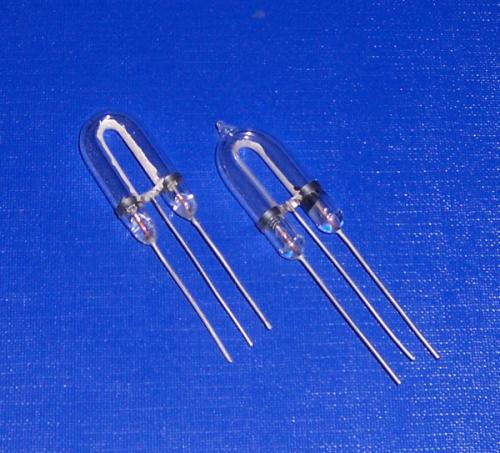
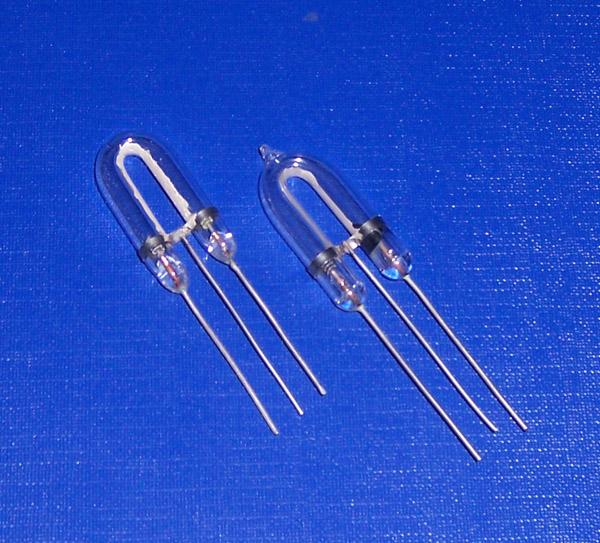
Photographs: Original Lamp with a Ruler, Source Module and Optical Path
Electrical Data: Capacitor Value, Charging Voltage, Trigger Method and Repetition Rate
Analyzer Checks: Water-Side Symptoms and Blank or Reference Procedure
This page is for water-quality analyzers designed around pulsed xenon illumination. It does not describe mercury lamps, deuterium lamps, continuous xenon arc lamps or xenon excimer oxidation lamps.

Water Quality Analyzer Xenon Flash Lamp Replacement for UV Absorbance Validation

STSYSTEMPLC GXEC supports pulsed xenon flash lamp matching for water-quality analyzers used in drinking-water, wastewater, process-water, environmental monitoring and laboratory water analysis. The engineering question is whether the replacement preserves useful spectral output, optical alignment, pulse stability, timing relationship and measurement repeatability under the actual probe, flow-cell or sample-compartment conditions.

A qualified route begins by identifying the measurement principle and original source architecture. UV absorbance, UV254, nitrate, organic-load, colorimetric, fluorescence and full-spectrum analyzers can use different wavelength regions, filters, path lengths, detectors and reference channels; these differences determine which lamp and validation method are appropriate.

Water-side contamination, optical-window fouling, bubbles, turbidity, flow-cell deposits, reference-path changes, detector aging and electronics faults can create symptoms similar to lamp aging. The lamp must therefore be evaluated as one part of the complete optical measurement chain.

Historical model, label or old-sample information from Heimann, EG&G, PerkinElmer or Excelitas-era supply contexts may help organize a legacy route. Where defined UV transmission, stronger thermal-load tolerance or reduced solarization and blackening risk are required, an optional German-imported quartz or SCHOTT glass route can be reviewed. Third-party names are descriptive only and do not imply affiliation, original-part status or automatic compatibility.

For efficient engineering comparison: Prepare the analyzer model, measurement principle, optical-path details, original-lamp information, electrical conditions, duty cycle, water-side symptoms and acceptance criteria listed in the checklist and RFQ template below.

What Buyers Need to Know

A water-quality analyzer xenon flash lamp should be considered only for equipment designed around a pulsed xenon source. Approval requires confirmation of the measurement wavelength, optical path, arc position, pulse energy, charging and trigger conditions, repetition rate, acquisition timing and analyzer-side baseline or reference checks. A lamp that ignites or fits the holder is not automatically suitable for UV254, nitrate, organic-load, fluorescence or other water-analysis methods.

Engineering Reference Answer

A water-quality analyzer xenon flash lamp is a pulsed broadband light source used in compatible optical instruments to illuminate a water sample, flow cell or measurement path. The analyzer may select one wavelength, several wavelength bands or a wider spectrum, then evaluate absorbance, transmission, fluorescence or a calculated parameter through its detector, reference channel, electronics and software.

Compatibility depends on the complete source and measurement chain: spectral transmission of the lamp envelope, discharge geometry, arc position, pulse energy, trigger delay, repetition rate, optical coupling, path length, detector response, reference method, temperature, contamination control and the analyzer’s data-acquisition sequence. Similar dimensions or one successful ignition cannot confirm these relationships.

STSYSTEMPLC GXEC can compare an original lamp, drawing, photographs, source-module conditions and circuit data, then prepare identified samples for analyzer-side evaluation. The analyzer manufacturer, qualified service provider or instrument owner should approve the result using clean-water or blank checks, reference standards, repeated measurements and the applicable calibration or verification procedure.

Key Engineering Targets for Water-Quality Analyzer Lamp Matching

Engineering Target What to Confirm Why It Matters
Measurement wavelength UV, UV254, UV-Vis, fluorescence excitation or another defined spectral region. The lamp envelope and discharge must provide useful output where the analyzer measures.
Optical path and light center Arc position, lamp orientation, window, lens, filter, fiber, flow cell, probe gap and reference path. A small position change can alter throughput, reference balance or detector signal.
Pulse energy and stability Capacitor value, charging voltage, stored energy, pulse variation and repeated operation. Influences signal level, repeatability, electrode stress and service life.
Trigger and acquisition timing Trigger method, delay, detector or acquisition window and reference-channel sequence. The analyzer must collect data during the intended part of the light pulse.
Analyzer duty cycle Flash rate, measurement interval, continuous online operation, temperature and enclosure conditions. Duty cycle changes heat, aging and long-term output behavior.
Water-side acceptance Clean-water baseline, reference solution, repeated readings, zero/span check or owner-defined procedure. Confirms the complete analyzer, not only the lamp.

Source and Measurement Boundary

Item What It Covers What It Does Not Prove
Pulsed xenon flash lamp Short broadband flashes generated by capacitor discharge in compatible analyzers. Compatibility with continuous xenon, deuterium, mercury or excimer-lamp systems.
Water-quality optical analyzer Source, optics, sample or flow path, detector, electronics, reference method, calibration and software. That lamp output alone determines parameter accuracy or regulatory compliance.
UV absorbance route Defined wavelength, path length, reference correction and analyzer-specific calculation. That every UV254, nitrate or organic-load instrument uses the same lamp or method.
Legacy replacement route Old sample, drawing, source-module data, circuit conditions and analyzer testing. Drop-in compatibility based only on a brand, label, appearance or dimensions.

Decision Risk: Water-Side Conditions Can Be Mistaken for Lamp Failure

A weak signal or drifting result does not automatically mean the xenon lamp is defective.
Optical-window fouling, bubbles, turbidity, flow-cell deposits, reference-path changes, detector aging, electronics faults or calibration drift can produce symptoms similar to lamp aging.
The controlled route is to separate water-side, optical, electrical and lamp variables, then approve an identified sample through the analyzer’s normal blank, reference, repeatability and calibration checks.

20-Year Xenon Engineering Verdict
Why Pulsed Xenon Remains a Reference Source Architecture in Compatible Water-Quality Analyzers
In an analyzer designed around pulsed broadband xenon, the source provides a short, high-intensity discharge that can support UV, visible or multi-band measurement through the instrument’s filters, optics, detector and acquisition sequence. This architecture remains appropriate when the analyzer method and reference channel were designed around that pulse behavior.
Decision boundary: LED sources can be highly effective in instruments designed around selected wavelengths, but they are not automatically drop-in replacements for a pulsed xenon water analyzer. The correct decision depends on the analyzer design, measurement method and verified instrument-side results.

Xenon vs LED — Water-Analyzer Source Engineering Parameters

Parameter Pulsed Xenon Flash Lamp LED / LED Array
Source behavior Broadband capacitor-discharge pulse in compatible analyzer designs. Selected wavelength or multi-LED output controlled by the LED and driver architecture.
Spectral route Useful output is selected by the lamp envelope, filters, optics and detector response. Output depends on emitter wavelength, binning, temperature, optical mixing and driver control.
Timing Trigger delay, pulse shape and acquisition window must match the analyzer sequence. Driver timing, rise/fall behavior and thermal regulation must match the analyzer sequence.
Replacement boundary Main risks include arc position, pulse energy, trigger coupling, envelope transmission and duty mismatch. Main risks include wavelength mismatch, driver redesign, thermal margin, aging and recalibration.
Approval rule Use the source architecture specified by the analyzer unless a complete optical, electrical, software and calibration redesign is validated. The same approval rule applies.

1,100-Hour Endurance Proof — Engineering Boundary
Lamp-Level Endurance Evidence Must Not Be Misread as Complete Water-Analyzer Approval
Validation Path Engineering Meaning
Strict endurance program A lamp-level endurance program exceeding 1,100 hours under defined operating conditions, focused on ignition stability and controlled aging behavior.
Risk-control matching Geometry, trigger route, pulse energy, repetition rate, temperature and endurance level are reviewed to reduce hidden misfire, blackening and early-life failure risk.
Scaling path Engineering samples, analyzer-side verification, pilot quantity, repeat-supply checks and field feedback expose failure modes before regular procurement.
Evidence boundary: The result from more than 1,100 hours of testing does not by itself prove UV254, nitrate, organic-load or other parameter accuracy, calibration compliance, universal service life or compatibility with every water-quality analyzer. Instrument approval still requires its own blank, reference, repeatability and calibration procedure.

Qualification and Validation Route

Stage What Should Be Confirmed Useful Records
1. Analyzer and source identification Analyzer model, measurement principle, pulsed source confirmation, wavelength region, detector and reference channel. Manual, source-module photographs, optical layout, service records and original-lamp information.
2. Lamp and circuit comparison Envelope, arc position, holder, capacitor, charging voltage, stored energy, trigger, repetition rate and timing. Ruler photographs, drawing, circuit conditions, waveform and identified sample record.
3. Optical and water-side preparation Clean windows, stable flow or sample compartment, no bubbles, known blank or clean water and controlled temperature. Cleaning record, blank result, flow-cell or probe photographs and environmental conditions.
4. Analyzer-side qualification Baseline, reference or calibration check, repeated readings, signal stability, temperature and realistic duty cycle. Qualification plan, repeated data, reference result, calibration record and service notes.
5. Pilot and repeat supply Approved sample, incoming checks, batch traceability, change notification, field feedback and annual demand. Retained sample, inspection criteria, batch record, pilot report and procurement forecast.
Responsibility boundary: STSYSTEMPLC GXEC supports lamp-level comparison, identified samples, inspection and repeat-supply control. Complete analyzer performance, calibration, method compliance, water-side preparation and field approval remain with the manufacturer, qualified service provider or instrument owner.

Failure Symptoms, Possible Causes and Verification

Observed Issue Possible Causes Verification Route
Weak or low signal Lamp aging, spectral or arc-position mismatch, fouled window, bubbles, filter loss, optical misalignment, detector aging or low pulse energy. Clean and inspect the optical path, compare blank or reference results, check pulse conditions and test an identified sample.
Unstable baseline or repeated readings Flow changes, bubbles, contamination, reference-path drift, trigger variation, acquisition timing, temperature or electronics noise. Stabilize the sample path, review reference data, capture trigger timing and compare repeated measurements.
Intermittent ignition Trigger coupling, charging recovery, wiring, insulation, temperature, connector condition or lamp-electrode aging. Inspect the source module, measure charging and trigger behavior and compare hot and cold operating cycles.
Rapid blackening or short life Excess stored energy, high repetition rate, poor thermal path, unsuitable glass route, contamination or electrode loading. Review duty profile, temperature, waveform, flash count, lamp envelope and source-module cleanliness.
New lamp does not restore analyzer performance Water-side condition, optics, detector, electronics, calibration or software may be the controlling fault. Use the analyzer’s normal blank, reference, zero/span, calibration and service procedure before blaming the lamp.
Important: A symptom may have more than one cause. Review the source module, optical path, acquisition timing, calibration state and equipment history before attributing a measurement problem to the lamp.

Specification and Compliance Documents

STSYSTEMPLC specification and material-compliance documents support preliminary lamp comparison, service communication and procurement screening. They must be combined with analyzer model information, optical-path details, circuit conditions, water-side preparation and the owner’s normal verification or calibration procedure.

Use How the Document Supports the Decision
Initial source review Provides lamp geometry, trigger and operating references for comparison with the original source module.
Analyzer-side qualification Combines lamp information with wavelength, optical path, water-side condition, reference checks and repeated measurements.
Legacy replacement route Uses old samples, drawings and source-module data to organize matching without claiming universal fit.
Repeat procurement Defines approved sample identity, incoming checks, quantity, batch traceability and change-control requirements.

Buyer Decision Guide

Decision Question Page-Specific Answer
Who is this route for? Water-quality analyzer manufacturers, qualified service providers, distributors, laboratories, utilities and instrument owners managing compatible pulsed-xenon equipment.
Which analyzers may be suitable? UV absorbance, UV254, nitrate, organic-load, colorimetric, fluorescence or full-spectrum analyzers designed around a pulsed xenon source.
Which cases need additional evaluation? Unknown source architecture, continuous lamps, excimer oxidation systems, incomplete timing data, regulated methods or instruments without a reproducible acceptance procedure.
How is matching confirmed? Through original-lamp or drawing comparison, source-module and circuit review, optical-path preparation and analyzer-side blank, reference, repeatability or calibration checks.
How should samples be introduced? Use identified prototypes, clean optical conditions, defined water or reference samples, realistic duty testing, a controlled pilot quantity and written approval records.
How are long-term spares managed? Preserve approved samples, drawings, inspection criteria, batch traceability, change notification, field feedback and forecast information.
Controlled Water-Analyzer Service Programs — Governance Model
What serious programs protect: approved source architecture, identified samples, clean optical conditions, validated trigger and acquisition windows, blank or reference procedures, incoming correlation, batch traceability and written change notification.
What they forbid: approval by shape, label, holder fit or one successful ignition; silent substitutions; undocumented glass or geometry changes; and replacing lamps before separating water-side, optical, detector and electronics faults.
Brand-Neutral Engineering Search Map
Search Route Representative Search Intent
Water-analyzer replacement water quality analyzer xenon flash lamp, UV254 analyzer lamp replacement, pulsed xenon water analyzer source
UV absorbance validation UV absorbance xenon lamp, nitrate analyzer pulsed xenon source, organic-load analyzer lamp
Legacy supply review Heimann, EG&G, PerkinElmer or Excelitas-era water-analyzer lamp review
Service and supply control approved water-analyzer lamp sample, batch-controlled spare supply, analyzer-side validation route
All third-party names are used only for equipment identification, service communication, legacy-supply context and engineering review. No affiliation, authorization, original-part status or universal compatibility is claimed.

Application Route Selector

Drinking-Water Analyzers
Online or laboratory instruments using pulsed xenon illumination with defined blank and reference procedures.
Wastewater Monitoring
Analyzers exposed to turbidity, deposits, fouling and demanding cleaning or service conditions.
Process-Water Instruments
Industrial measurement routes requiring stable optical alignment, duty control and repeat supply.
Laboratory Water Analysis
Benchtop instruments using absorbance, transmission, fluorescence or multi-band methods.
Legacy Analyzer Repair
Old lamps, incomplete labels, discontinued supply routes or missing source-module drawings.
Application Route Selector for Water-Quality Analyzer Buyers
Choose the closest review path before sending an original lamp, source-module information or water-side symptoms. This selector supports faster RFQ routing while preserving the analyzer validation boundary.
Routine Service Replacement
For an existing compatible analyzer with a reproducible blank, reference or calibration procedure.
Water-Side Fault Separation
For weak or drifting results where fouling, bubbles, flow, turbidity or deposits may be involved.
Old Sample Matching
For missing labels, partial codes, discontinued supply or incomplete drawings.
Long-Term Spare Program
For approved samples, incoming checks, batch records and controlled change notification.

One-Minute Matching Checklist

Item Buyer Input Why It Matters
1. Analyzer and measurement method Analyzer brand/model, UV254, nitrate, organic load, fluorescence, colorimetric or other method. Defines the actual wavelength and acceptance route.
2. Original lamp and optical path Lamp, ruler, holder, light center, window, lens, filter, fiber, flow cell, probe gap and reference path. Defines mechanical fit, optical position and water-side interfaces.
3. Electrical and timing conditions Capacitor, charging voltage, stored energy, trigger method, repetition rate, waveform and acquisition window. Defines discharge behavior and detector synchronization.
4. Symptoms and water-side condition Weak signal, baseline drift, intermittent ignition, fouling, bubbles, turbidity, deposits, cleaning history and temperature. Separates lamp behavior from water-side and analyzer-system faults.
5. Acceptance and supply plan Blank, reference or calibration checks, prototype quantity, annual demand, traceability and documents. Defines qualification and repeat-supply control.
Water-Quality Analyzer Lamp Review Framework
Review Item Why It Matters
Measurement Wavelength and Reference Channel Confirms useful output in the actual analyzer method rather than relying on total brightness.
Arc Position and Optical Path Protects coupling through windows, lenses, filters, fibers, flow cells, probes and reference optics.
Trigger Coupling and Acquisition Timing Controls intermittent ignition and ensures the detector samples the intended part of the pulse.
Pulse Energy, Repetition Rate and Thermal Duty Defines the electrical and thermal operating window and reduces early blackening risk.
Water-Side Preparation and Reference Checks Separates lamp behavior from fouling, bubbles, turbidity, deposits and calibration effects.
Approved Sample and Batch Control Prevents approval based only on ignition, appearance or one reading and protects repeat supply.
CORE A/B/C Engineering Screening Classification
CORE Level Recommended Use
CORE A For critical online, laboratory or OEM programs after full lamp, source-module, water-side and analyzer validation.
CORE B For standard water-analyzer replacement after geometry, electrical, optical and reference checks are completed.
CORE C For engineering samples, lower-duty screening or preliminary matching with a narrower evidence window.
Classification boundary: CORE A/B/C is an STSYSTEMPLC GXEC engineering screening framework, not an international test standard. Complete analyzer performance, calibration, method compliance and field approval remain with the manufacturer, qualified service provider or instrument owner.
Cross-Industry Xenon Platform Proof
STSYSTEMPLC GXEC also supports stroboscopes, warning beacons, aviation systems, solar simulation, UV systems, traffic-enforcement cameras and professional photography. These fields are shown only as cross-industry xenon engineering evidence, not as a claim that their lamps are interchangeable with a water-quality analyzer source.

Engineering Q&A

Question Answer
Can a water-quality analyzer xenon lamp be selected by dimensions alone? No. Measurement method, wavelength region, arc position, pulse energy, trigger, repetition rate, optical path, acquisition timing and analyzer acceptance checks must also be considered.
Does a weak signal always mean the lamp has failed? No. Fouled windows, bubbles, turbidity, deposits, reference-path changes, detector aging, electronics faults and calibration drift can produce similar symptoms.
Can one lamp serve every UV254, nitrate or organic-load analyzer? No. Analyzers may use different wavelength bands, path lengths, filters, detectors, reference channels, timing and calculation methods.
How should an engineering sample be approved? Use clean optical conditions, the intended analyzer, blank or clean-water checks, relevant reference standards, repeated measurements and the normal calibration or verification procedure.
Can a historical brand or part number confirm compatibility? No. It can help identify a supply context, but compatibility still depends on the actual lamp, source module, circuit, optics and analyzer-side results.
What information is needed when no drawing is available? Send the original lamp, ruler photographs, source-module and optical-path photographs, analyzer model, electrical conditions, measurement method, symptoms, acceptance procedure and quantity.
Inquiry / RFQ Template
1) Analyzer brand and model: ________________________________
2) Measurement method and wavelength region: UV254 / nitrate / organic load / fluorescence / other
3) Original lamp information: Part number / old sample / photographs / drawing
4) Optical path: Window / lens / filter / fiber / flow cell / probe gap / reference channel
5) Electrical conditions: Capacitor / charging voltage / stored energy / trigger / repetition rate / waveform
6) Timing: Trigger delay / detector or acquisition window / measurement cycle
7) Observed symptoms and water-side conditions: Fouling / bubbles / turbidity / deposits / drift / other
8) Acceptance method: Blank / clean water / reference solution / zero-span / calibration / repeatability
9) Trial and annual quantity: ________________________________
10) Documents required: Specification / RoHS / drawing / inspection / batch record / change notification
Engineering Check Before Approval
Unverified replacement increases downstream risk: weak signal, unstable baseline, inconclusive calibration, repeated field service and urgent procurement.
Liability and evidence boundary: A mismatched lamp or unresolved water-side fault can produce unstable ignition, shifted optical coupling, unsuitable spectral transmission, timing errors or false maintenance conclusions. Verify source architecture, geometry, trigger coupling, pulse energy, optical path, water-side condition and analyzer reference results before purchase.
Typical “looks fine” → “fails later” chain:
• One successful ignition → weak or unstable useful signal → uncertain water-quality results
• Fouling, bubbles or detector drift → lamp blamed incorrectly → repeated replacement cycles
• Uncontrolled later batch → changed light center or aging behavior → field complaints and traceability risk

A first flash proves ignition; repeatable analyzer results prove the replacement route.

Related XENON Engineering Routes

Related Page Engineering Focus
UV-Vis Spectrophotometer Xenon Flash Lamp Replacement Instrument-side replacement, optical validation, baseline and repeatability.
Analytical Instrument Xenon Flash Lamp OEM source-module development, prototype validation, integration boundary and repeat supply.
Industrial Stroboscope Xenon Flash Tube High-repetition discharge, trigger stability, thermal conditions and defined duty cycle.
Mobile Speed Camera Xenon Flash Tube Short-pulse timing, optical position, vibration conditions and equipment-side image acceptance.

Before You Approve a Replacement or OEM Sample

Confirm the complete source, optical path and analyzer acceptance method before approval. Use an identified prototype, clean water-side conditions, documented blank or reference checks and a controlled pilot before regular procurement.

A first flash proves ignition; repeatable analyzer results prove the replacement route.

© STSYSTEMPLC GXEC. All rights reserved.

Leave A Message
If you are interested in our products and want to know more details,please leave a message here,we will get back to you as soon as possible.
Related Products
Warning Light Xenon Flash Tube Review Center for Beacons, Emergency Vehicles, Fleet Service and Legacy Repair
SOWIN GXEC warning light xenon flash tube review center is built for warning beacon flash tube, emergency vehicle strobe tube, xenon warning light replacement, vehicle beacon flash lamp, and industrial warning beacon tube programs where the real requirement is not simply a visible flash, but repeatable warning visibility, trigger stability, optical output, service-life control, and fleet maintenance continuity. Replacement approval must be based on geometry, trigger coupling, pulse energy, optical field, duty cycle, environmental margin, and warning-output behavior, not a first flash or appearance match. For fleet, emergency, industrial, and legacy warning programs across high heat, dust exposure, humidity, vibration, cold-start regions, and repeated service cycles, SOWIN supports flash tube review routes with field-risk control and repeatable service logic. Serious approval should be judged by trigger reliability, reflector fit, optical output, service-life behavior, and warning visibility before scale procurement. Multiple tube geometries and material routes can be reviewed for warning beacons, emergency vehicle light bars, industrial safety lights, fleet service, legacy repair benches, and tender-driven spare-part programs. Optional German-imported QUARTZ or SCHOTT glass routes can be reviewed when stronger thermal-load tolerance and reduced blackening risk are needed. The goal is to help OEMs, integrators, repair teams, distributors, and procurement officers choose a warning light flash route by field visibility, continuity control, and repeatable service performance - not by appearance alone.
CH FL08350
SOWIN GXEC emergency vehicle light bar tube is built for light bar xenon flash tube, legacy light bar repair, mixed fleet warning light tube, police fire ambulance strobe tube, and light bar flash replacement programs where the buyer must keep mixed vehicles, legacy modules, trigger routes, optical fields, and maintenance schedules under control. Replacement approval must be based on geometry, trigger coupling, pulse energy, optical field, duty cycle, environmental margin, and warning-output behavior, not a first flash or appearance match. For fleet, emergency, industrial, and legacy warning programs across high heat, dust exposure, humidity, vibration, cold-start regions, and repeated service cycles, SOWIN supports flash tube review routes with field-risk control and repeatable service logic. Serious approval should be judged by trigger reliability, reflector fit, optical output, service-life behavior, and warning visibility before scale procurement. Multiple tube geometries and material routes can be reviewed for warning beacons, emergency vehicle light bars, industrial safety lights, fleet service, legacy repair benches, and tender-driven spare-part programs. Optional German-imported QUARTZ or SCHOTT glass routes can be reviewed when stronger thermal-load tolerance and reduced blackening risk are needed. The goal is to help OEMs, integrators, repair teams, distributors, and procurement officers choose a warning light flash route by field visibility, continuity control, and repeatable service performance - not by appearance alone.
CH STOU6038
SOWIN GXEC Monarch stroboscope flash tube review path is built for Nova-Strobe replacement tube, L-1903 strobe tube, portable stroboscope lamp, maintenance strobe repair tube, and BAX BBX DAX DBX flash tube service contexts where old portable stroboscopes, repair benches, incomplete part files, and maintenance workflows require careful geometry, trigger, and duty-window review. Replacement approval must be based on geometry, trigger coupling, pulse energy, optical field, duty cycle, environmental margin, and timing-output behavior, not a first flash or appearance match. For inspection, printing, packaging, RPM, textile, web, portable maintenance, and legacy stroboscope programs across heat, dust exposure, vibration, production duty, and repeated service cycles, SOWIN supports flash tube review routes with field-risk control and repeatable service logic. Serious approval should be judged by trigger reliability, reflector fit, optical contrast, timing behavior, and motion-freeze confidence before scale procurement. Multiple tube geometries and material routes can be reviewed for industrial stroboscopes, printing lines, packaging inspection, textile and web inspection, portable service tools, legacy repair benches, and tender-driven spare-part programs. Optional German-imported QUARTZ or SCHOTT glass routes can be reviewed when stronger thermal-load tolerance and reduced blackening risk are needed. The goal is to help OEMs, integrators, repair teams, distributors, and procurement officers choose a stroboscope flash route by timing visibility, motion-freeze control, and repeatable service performance - not by appearance alone.
CH STOU6038
Long-life industrial stroboscope performance cannot be defined by flash count alone. SOWIN GXEC supports high-repetition and continuous-duty xenon flash tubes for printing, packaging, textile, film, web inspection and rotating-machinery observation where pulse energy, flash frequency, RPM or line speed, cooling, output retention and the practical end-of-life threshold must be evaluated together. Brand-neutral engineering review can cover Monarch service contexts and discontinued or difficult-to-source Heimann, EG&G, PerkinElmer and Excelitas-era xenon flashlamps by model number, dimensions, old samples, trigger method, pulse energy and application duty. This route is intended for stroboscope manufacturers, production plants, maintenance teams, distributors and repair centers that require repeatable motion visibility and planned spare replacement. Engineering samples should be tested at representative energy, frequency, operating cycle, cooling and process speed before regular production use. For engineering review: Send the original lamp, equipment model, dimensions, voltage, capacitor value, pulse energy, flash frequency, process speed, cooling conditions, failure symptoms and required life criteria.
CH STOU6038
SOWIN GXEC Xenon Flash Tube is engineered as a global OEM replacement reference for UV reactor water-treatment and germicidal systems, where performance is defined by repeatable pulse energy, stable ignition, and predictable lifetime under continuous operation—not by “similar shape” claims. In pulsed-UV water treatment, real reliability is a controlled window of trigger method, energy, repetition rate, and duty-cycle, coordinated with thermal management and lamp structure. This engineering boundary reduces hidden failure modes such as misfire, output drift, early blackening, and premature downtime that can silently degrade UV dose delivery. Our platform capability is proven across mission-critical pulsed-light deployments, including stroboscopic instruments (measurement repeatability), traffic-violation cameras (high repetition and long duty cycles), airport runway lighting (safety visibility in harsh environments), and high-speed photography (fast trigger response and stable output). This broad coverage demonstrates program-grade pulse control and manufacturing consistency. Procurement sign-off rule: do NOT replace xenon flash tubes by appearance. A valid replacement must match the trigger method and a verified energy / frequency / duty-cycle window. For engineering review, request the UV reactor duty-cycle parameter PDF before deployment. Proof Badges: 1100+ Hour Endurance Validation · Engineer-Reviewed Parameter Sheet (PDF) · OEM Replacement Checklist · Traceable Controlled Substitution
CH STOU6038
SOWIN GXEC Xenon Flash Tube is engineered as a Global OEM Replacement Reference for UV Reactor Water-Treatment and Germicidal Systems, where performance is defined by repeatable pulse energy, stable ignition, and predictable lifetime under continuous operation—not by “similar shape” claims. In Pulsed-UV Water Treatment, reliability is a controlled window of Trigger Method, Pulse Energy, Repetition Rate, and Duty Cycle, coordinated with Thermal Management and Lamp Structure. This boundary reduces hidden failure modes such as Misfire, Output Drift, Early Blackening, and premature Downtime that can silently degrade UV dose delivery. Program-grade pulse control is proven across mission-critical deployments, including Stroboscopic Instruments (measurement repeatability), Traffic-Violation Cameras (high repetition, long duty cycles), Airport Runway Lighting (harsh-environment visibility), and High-Speed Photography (fast trigger response, stable output). Procurement Sign-Off Rule: do NOT replace xenon flash tubes by appearance. A valid replacement must match the Trigger Method and a verified Energy / Frequency / Duty-Cycle Window. For engineering review, request the UV Reactor Duty-Cycle Parameter PDF before deployment. Proof Badges: 1100+ Hour Endurance Validation · Engineer-Reviewed Parameter Sheet (PDF) · OEM Replacement Checklist · Traceable Controlled Substitution
CH STOU6038
SOWIN GXEC stroboscope flash tube supplier route is built for OEM stroboscope xenon tube, tender safe strobe replacement, global stroboscope repair, strobe spare parts supplier, and repair bench strobe tube programs where procurement teams need controlled wording, compliance support, sample approval, repair-bench discipline, and repeatable spare supply. Replacement approval must be based on geometry, trigger coupling, pulse energy, optical field, duty cycle, environmental margin, and timing-output behavior, not a first flash or appearance match. For inspection, printing, packaging, RPM, textile, web, portable maintenance, and legacy stroboscope programs across heat, dust exposure, vibration, production duty, and repeated service cycles, SOWIN supports flash tube review routes with field-risk control and repeatable service logic. Serious approval should be judged by trigger reliability, reflector fit, optical contrast, timing behavior, and motion-freeze confidence before scale procurement. Multiple tube geometries and material routes can be reviewed for industrial stroboscopes, printing lines, packaging inspection, textile and web inspection, portable service tools, legacy repair benches, and tender-driven spare-part programs. Optional German-imported QUARTZ or SCHOTT glass routes can be reviewed when stronger thermal-load tolerance and reduced blackening risk are needed. The goal is to help OEMs, integrators, repair teams, distributors, and procurement officers choose a stroboscope flash route by timing visibility, motion-freeze control, and repeatable service performance - not by appearance alone.
CH STOU6038
SOWIN GXEC packaging line strobe tube is built for printing stroboscope flash tube, register drift strobe lamp, print rhythm xenon tube, web inspection strobe tube, and Drello 2500 3000 strobe tube service contexts where the replacement must protect register visibility, print rhythm, repeated flash timing, optical contrast, and stable inspection confidence on live production lines. Replacement approval must be based on geometry, trigger coupling, pulse energy, optical field, duty cycle, environmental margin, and timing-output behavior, not a first flash or appearance match. For inspection, printing, packaging, RPM, textile, web, portable maintenance, and legacy stroboscope programs across heat, dust exposure, vibration, production duty, and repeated service cycles, SOWIN supports flash tube review routes with field-risk control and repeatable service logic. Serious approval should be judged by trigger reliability, reflector fit, optical contrast, timing behavior, and motion-freeze confidence before scale procurement. Multiple tube geometries and material routes can be reviewed for industrial stroboscopes, printing lines, packaging inspection, textile and web inspection, portable service tools, legacy repair benches, and tender-driven spare-part programs. Optional German-imported QUARTZ or SCHOTT glass routes can be reviewed when stronger thermal-load tolerance and reduced blackening risk are needed. The goal is to help OEMs, integrators, repair teams, distributors, and procurement officers choose a stroboscope flash route by timing visibility, motion-freeze control, and repeatable service performance - not by appearance alone.
Get the latest offers Subscribe for our newsletter
Please read on, stay posted, subscribe, and we welcome you to tell us what you think.

click here to leave a message

Leave A Message
If you are interested in our products and want to know more details,please leave a message here,we will get back to you as soon as possible.

Home

Products

about

contact