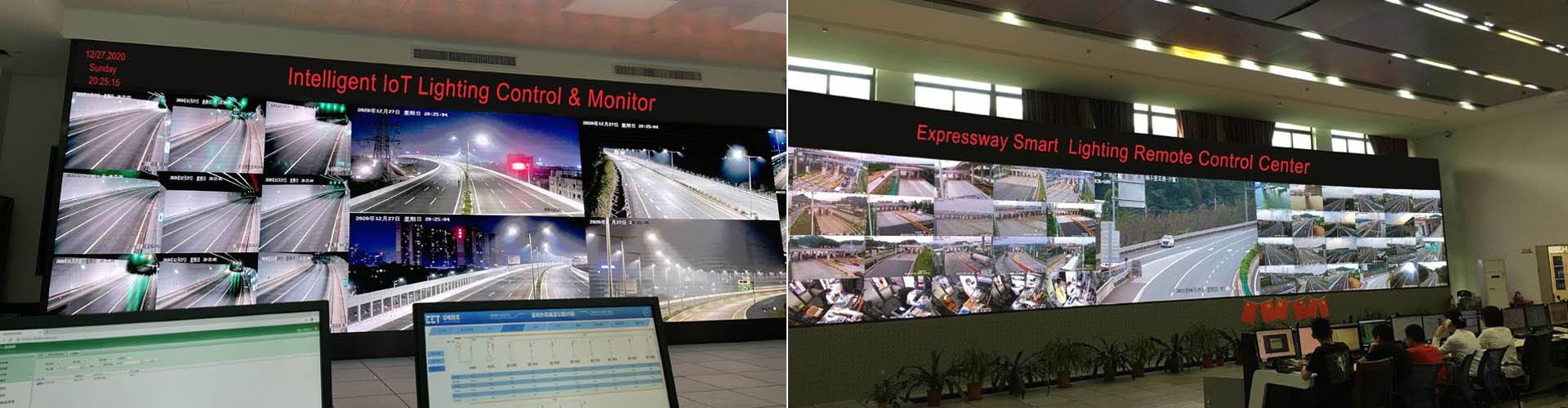
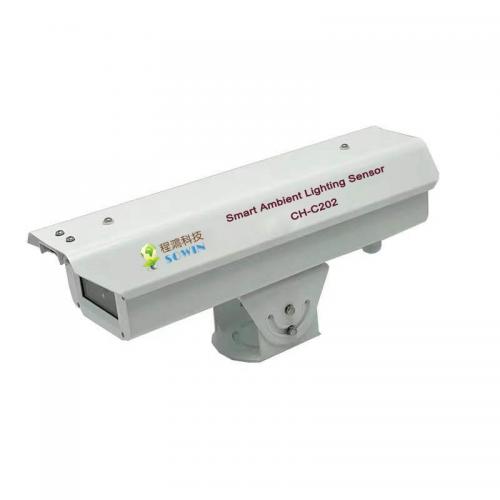
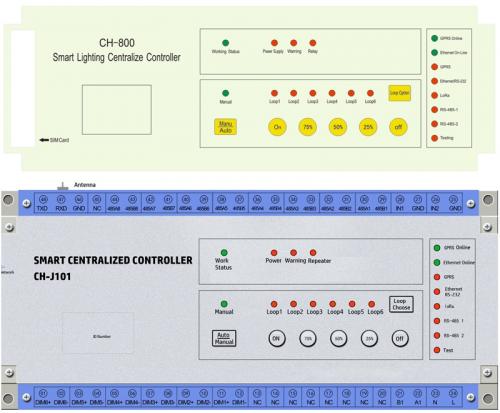
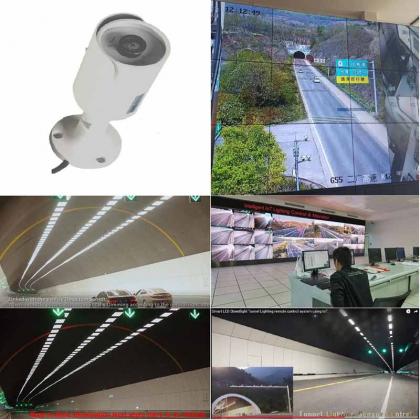
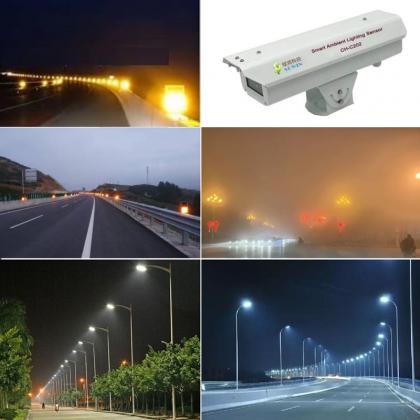
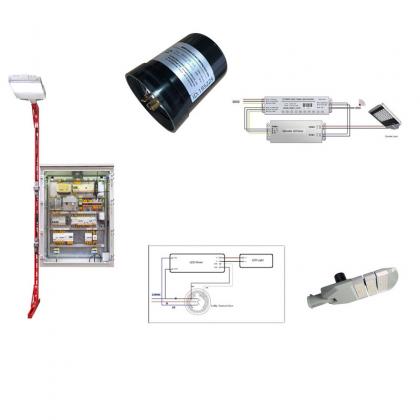
According to the Tunnel Entrance environment brightness, it cooperates with the intelligent lighting centralized controller to automatically control the power range of the tunnel lamps according to the changing of environmental brightness, to achieve the purpose of intelligent management and control.
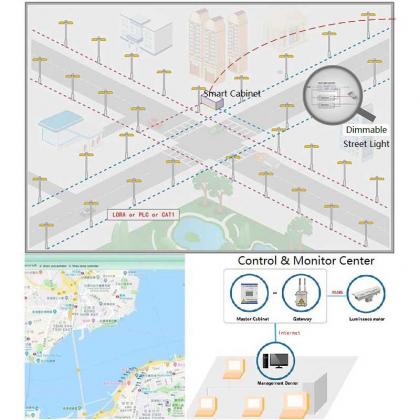
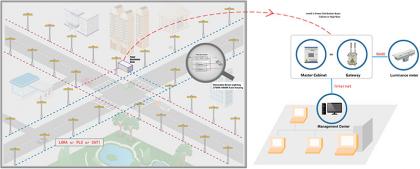
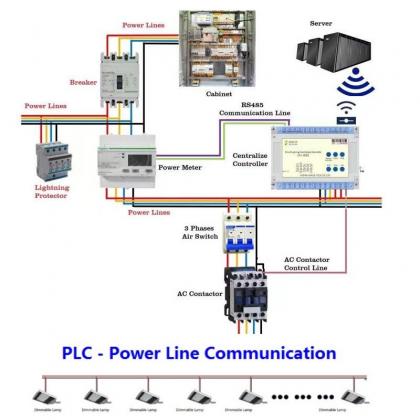
The CH-H0102 loop controller is independently researched and developed by our company. It controls the power supply of lighting fixtures through a human-machine interface and monitors the closed state of the power supply loop circuit, which is widely used for the highway road lights and tunnel lighting, and the industry lighting such as led high bay light & low bay light at warehouse and factory lighting projects. The equipment adopts standard industrial bus RS485 technology, the communication distance can reach 2000 meters without repeater and range of visibility; 7 levels of repeaters can be set in the scene, and the maximum distance can be up to 7000 meters according to the calculation of 1000 meters for each level of repeater.
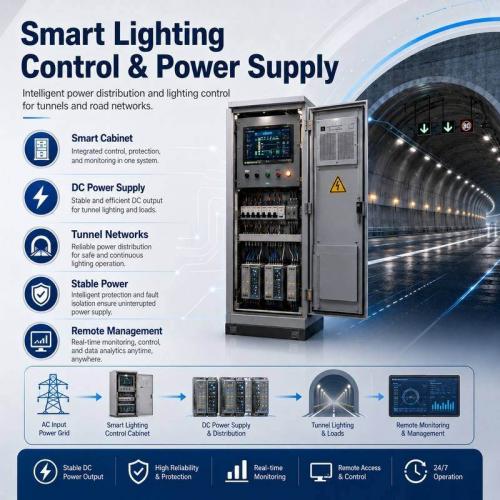
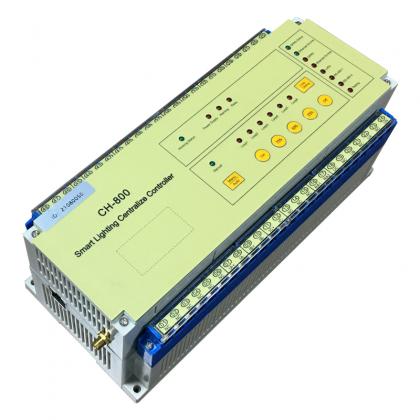
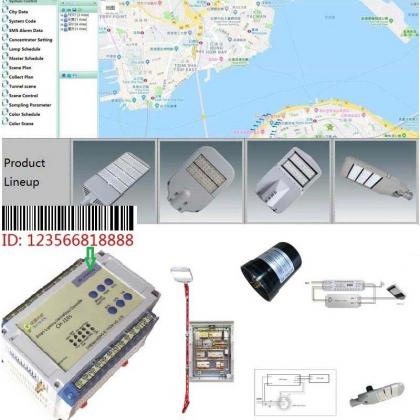
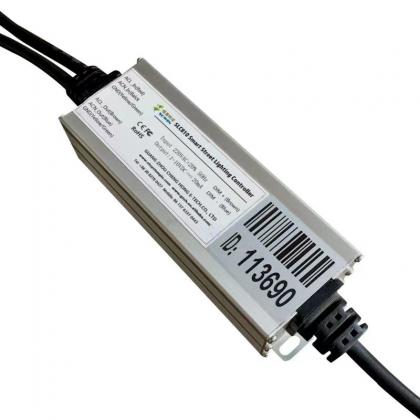
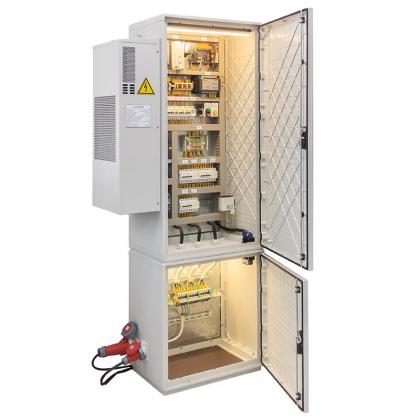
.sowin-summary{font-family:Arial,Helvetica,sans-serif;color:#4d5868;line-height:1.78} .sowin-summary p{margin:0 0 12px} .sowin-summary .core-key{font-size:18px;font-weight:900;color:#123c73;letter-spacing:.005em} @media(max-width:640px){.sowin-summary .core-key{font-size:17px}} SOWIN provides a human-centric adaptive tunnel lighting system for tunnel entrances, threshold zones, transition zones, interiors and exits. The control chain can connect portal luminance sensors, traffic inputs, CH-800 gateways, intelligent lighting cabinets, circuit controllers and SLC810/SLC910 lamp-level controllers. Measured exterior luminance, traffic conditions and approved zone curves allow the system to coordinate output instead of relying on one fixed entrance scene. Project-configured CCT, ramp rates, local fallback and manual authority help preserve visual continuity when weather, traffic or communication conditions change. Final luminance levels, zone lengths, sensor locations, dimming curves and CCT settings depend on tunnel geometry, design speed, pavement, portal orientation, luminaire optics, local standards and witnessed site acceptance.