other

Xenon Flash Tube for Emergency Vehicle Light Bars with Legacy Module Repair and Mixed-Fleet Fit Review

SOWIN GXEC emergency vehicle light bar tube is built for light bar xenon flash tube, legacy light bar repair, mixed fleet warning light tube, police fire ambulance strobe tube, and light bar flash replacement programs where the buyer must keep mixed vehicles, legacy modules, trigger routes, optical fields, and maintenance schedules under control.

Replacement approval must be based on geometry, trigger coupling, pulse energy, optical field, duty cycle, environmental margin, and warning-output behavior, not a first flash or appearance match.

For fleet, emergency, industrial, and legacy warning programs across high heat, dust exposure, humidity, vibration, cold-start regions, and repeated service cycles, SOWIN supports flash tube review routes with field-risk control and repeatable service logic. Serious approval should be judged by trigger reliability, reflector fit, optical output, service-life behavior, and warning visibility before scale procurement.

Multiple tube geometries and material routes can be reviewed for warning beacons, emergency vehicle light bars, industrial safety lights, fleet service, legacy repair benches, and tender-driven spare-part programs. Optional German-imported QUARTZ or SCHOTT glass routes can be reviewed when stronger thermal-load tolerance and reduced blackening risk are needed.

The goal is to help OEMs, integrators, repair teams, distributors, and procurement officers choose a warning light flash route by field visibility, continuity control, and repeatable service performance - not by appearance alone.

This is an Emergency Vehicle Light Bar Xenon Engineering Reference Center for legacy module repair, mixed-fleet fit review, trigger matching, and fleet service continuity - not a catalog listing.

Xenon Flash Tube for Emergency Vehicle Light Bars with Legacy Module Repair and Mixed-Fleet Fit Review

SOWIN GXEC emergency vehicle light bar tube review center is built for light bar xenon flash tube, legacy light bar repair, mixed fleet warning light tube, police fire ambulance strobe tube, and light bar flash replacement programs where approval depends on verified module geometry, trigger matching, optical-field fit, mixed-fleet service rhythm, and warning-output repeatability.

Search coverage priority: emergency vehicle light bar tube / light bar xenon flash tube / legacy light bar repair / mixed fleet warning light tube / police fire ambulance strobe tube / light bar flash replacement.
Brand-neutral search context: Whelen-class, Federal Signal-class, Feniex-style, SoundOff Signal-style, Code 3-style, ECCO-class, TOMAR-style, SHO-ME / Able 2-style, Truck-Lite / Signal-Stat-style, Star Safety Technologies-style, Heimann-era, Excelitas-era, and PerkinElmer-era. These names are used only for market orientation, service communication, legacy repair, and engineering review. No affiliation, authorization, official compatibility, universal compatibility, original status, or original-brand supply is claimed.
Cross-industry proof appears later as supporting authority only: SOWIN GXEC also supports Stroboscopes, Traffic Enforcement, Professional Photography, IPL, Aviation Systems, Solar Simulation, and UV System applications without weakening this page's emergency vehicle light-bar and mixed-fleet route focus.
Fastest path to the correct tube: Send tube photos, light-bar module or cavity photos, trigger or wiring photos, flash frequency, pulse energy if known, vehicle route, service environment, and failure symptoms. SOWIN returns a verified review covering module geometry, trigger route, optical-field fit, duty-window cautions, mixed-fleet risk, warning-output behavior, and sample-matching priorities.
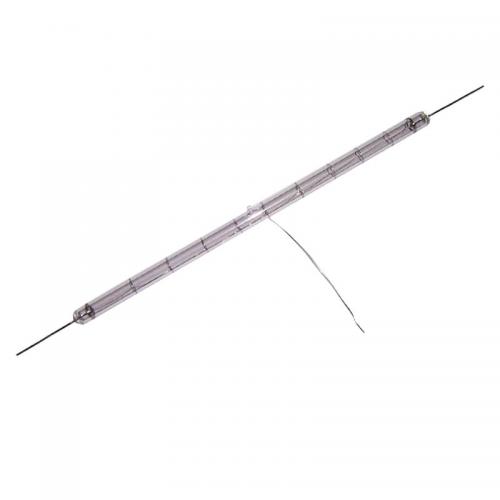
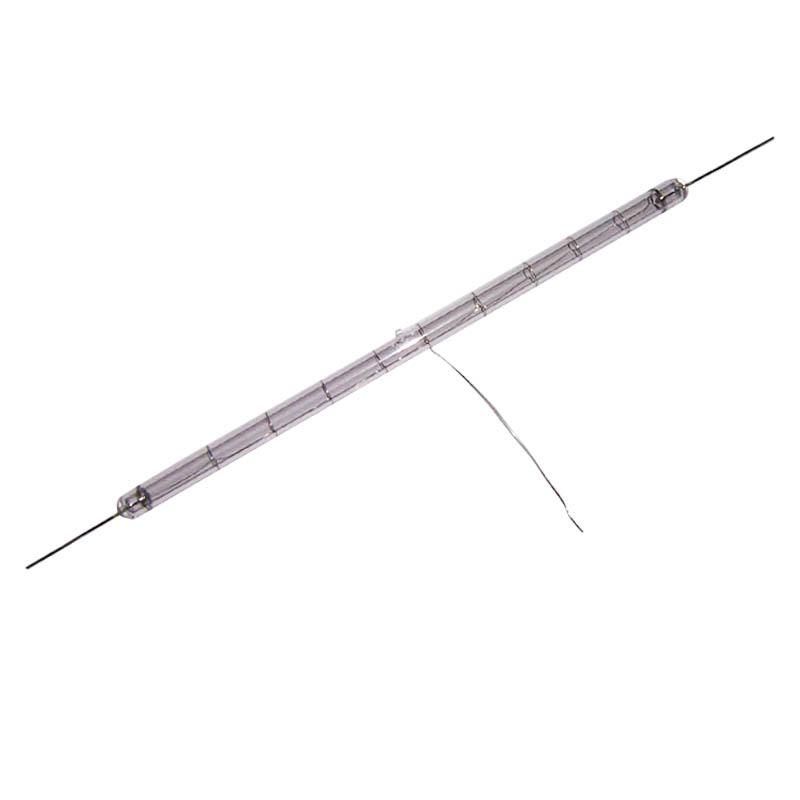
Available geometry and material routes: Linear, U-shaped, spiral, and ring Xenon Flash Tube designs can be reviewed for light-bar cavity clearance, legacy module structure, reflector fit, trigger route, glass OD, electrode position, and optical field. Optional German-imported QUARTZ or SCHOTT glass routes can be reviewed when fleet or industrial warning programs require stronger thermal-load tolerance, cleaner optical behavior, and reduced blackening risk.

Key Engineering Targets

Target Engineering Meaning
Warning Visibility Protects field recognition, fleet safety signaling, and visual confidence under real service conditions.
Trigger Stability Reduces misfire, delayed ignition, and unstable flash timing in beacon or light-bar modules.
Optical Field Control Keeps reflector, lens, color filter, flash center, and visibility pattern working as one system.
Service-Life Control Connects duty cycle, pulse energy, thermal exposure, blackening behavior, and maintenance rhythm.
Supply Continuity Supports legacy repair, OEM supply, distributor service, and tender-safe procurement review.

Spec PDF and RoHS Review Center

PDF DOWNLOAD CENTER
Download SOWIN Xenon Flash Tube Spec PDF for Emergency Light Bar Engineering Review
This PDF supports emergency light-bar service comparison, legacy module repair, mixed-fleet fit review, sample approval, fleet maintenance review, German QUARTZ / SCHOTT glass route review, legacy supplier continuity, and brand-neutral light-bar tube matching.
Review Use Why It Matters
Emergency Light Bar Review Supports module geometry, trigger route, optical field, flash energy, and service-life discussion before sample approval.
Tender and Procurement Review Gives engineering, procurement, consultant, distributor, and fleet service teams a document path for neutral review.
Legacy Supplier Continuity Supports Heimann / Excelitas / PerkinElmer-era search context without creating affiliation claims.
Environmental Validation Supports cold-start, high heat, dust exposure, humidity, vibration, and duty-cycle discussion for emergency light-bar and mixed-fleet warning programs.
COMPLIANCE REVIEW DOCUMENTS
RoHS Compliance Document for Procurement and Import Review
For procurement, emergency light-bar service approval, distributor review, and import documentation, SOWIN provides RoHS compliance support together with the Xenon Flash Tube specification PDF. Final acceptance should still follow project-specific engineering validation, sample testing, and application conditions.
Download RoHS Compliance Document

Decision Trap - Buyers Who Skip Verification Pay Twice

A First Flash Is Not Approval
The trap: approving a warning light flash tube because it flashes once or looks bright on a bench test. A correct replacement must be approved by geometry, trigger method, verified pulse-energy/frequency window, optical field, warning-output behavior, and real service duty.
The bill: weak field visibility + unstable trigger behavior + early blackening + fleet complaints + warranty pressure + repeated service work.
The fix: verify geometry + trigger coupling + pulse energy + optical field + duty cycle + warning-output repeatability, then lock a CORE endurance level in your spec.
Non-negotiable rule: if trigger coupling, pulse energy, optical field, and duty-cycle rating are undefined, the emergency light-bar replacement window is undefined.

20-Year Xenon Engineering Verdict

20-YEAR XENON ENGINEERING VERDICT
Why Xenon Remains the Reference Standard for Emergency Light Bar Repair and Mixed-Fleet Continuity.
In warning lights and beacon systems, Xenon remains valuable because it can deliver high peak output in a controlled discharge window with clear visual impact. LED routes can be useful in some lower-peak or continuous systems, but many legacy warning beacons, light bars, and industrial strobe modules were designed around Xenon trigger behavior, reflector geometry, optical concentration, and serviceable flash modules. The real test is not one flash; it is repeated warning visibility after field cycles, fleet service, vibration, heat, dust, and repair pressure.

Xenon vs LED - Warning Light Flash Engineering Parameters

Parameter Xenon Flash Tube LED / Semiconductor / Alternative Route
Peak Visibility High peak flash output at the warning event. Driver, thermal, and optical limits may reduce peak signal intensity.
Trigger Behavior Can be matched to capacitor discharge and beacon flash timing. Requires driver tuning and thermal management.
Legacy Fit Logic Can preserve many existing reflector, trigger, and module structures when verified. May require optical, driver, and thermal redesign.
Replacement Risk Main risks are geometry, trigger coupling, pulse energy, optical field, and duty-window mismatch. Main risks are driver tuning, optical redesign, heat margin, and approval retesting.

Validated for Emergency Light Bar Replacement Consistency - Without Empty Marketing Claims

Validation Path Engineering Meaning
Strict endurance program Continuous endurance verification of 1100+ hours per cycle, focused on ignition stability, output behavior, and controlled aging.
Risk-control matching Verified by geometry, trigger route, pulse energy, optical field, duty cycle, environment, and CORE level to reduce hidden misfire, weak visibility, and early failure.
Scaling path Engineering sample, pilot run, trial production, and field use expose hidden failure modes before fleet or distributor rollout.

Controlled Emergency Light Bar Service Programs - Governance Model

What serious programs protect: warning visibility, trigger stability, service-life predictability, reflector fit, optical field, fleet continuity, procurement defensibility, and supply-chain continuity.
What they forbid: first-flash approvals, appearance-only matching, silent substitutions, unsupported compatibility wording, and repair routes without sample proof.

Emergency Light Bar Brand-Neutral Engineering Search Map

Route Search Coverage
Emergency Light Bar Route emergency vehicle light bar tube / light bar xenon flash tube / legacy light bar repair / mixed fleet warning light tube / police fire ambulance strobe tube / light bar flash replacement
Mixed-Fleet Fit Route mixed fleet light bar tube / police fire ambulance beacon repair / old light bar flash module / service file warning light tube / emergency vehicle spare repair route
Legacy Module Repair Route legacy warning light module / light bar old sample repair / discontinued light bar flash tube / repair bench light bar tube / module-cavity flash replacement
System-Class Brand Orientation Whelen-class, Federal Signal-class, Feniex-style, SoundOff Signal-style, Code 3-style, ECCO-class, TOMAR-style, SHO-ME / Able 2-style, Truck-Lite / Signal-Stat-style, Star Safety Technologies-style, Heimann-era, Excelitas-era, and PerkinElmer-era light-bar service context
Tender / OEM / Fleet Service Context OEM light bar flash tube / fleet service light bar repair / tender-safe emergency warning tube / distributor spare supply / police fire ambulance fleet maintenance
Compliance boundary: third-party names are not used as compatibility claims. Buyers must still verify arc length, tube diameter, electrode orientation, trigger coupling, pulse energy, glass route, optical field, environment, and duty cycle before any replacement decision.

Application Route Selector for Emergency Light Bar Buyers

Police / Fire
For police, fire, ambulance, and emergency fleet routes.
Light Bar
For bar-type flash modules and optical paths.
Mixed Fleet
For different brands and ages in one service pool.
Legacy Module
For older housings and repair-bench samples.
OEM / Tender
For controlled documentation and procurement.

One-Minute Matching Checklist

Item Buyer Input Why It Matters
1) Tube photos Front, side, electrode, ruler photo Confirms geometry and visible risk
2) Trigger / wiring photo External / internal / wire / unknown Reduces misfire and delayed ignition risk
3) Application route Emergency vehicle / light bar / police / fire / ambulance / mixed fleet / legacy module / tender procurement Defines visibility, duty, and service path
4) Environment Cold / heat / vibration / dust / water exposure / fleet duty Determines environmental margin
5) Pulse energy J rating or capacitor + voltage if known Prevents overstress and output drift
Urgency: If you place an order without these five items, you are accepting unknown warning light replacement risk. Send them once - avoid repeated procurement cycles.

Emergency Light Bar Flash Tube Review Matrix

Review Item Why It Matters
Arc Length and Light Center Protects reflector focus, warning intensity, visibility pattern, and real field output confidence.
Glass OD and Tube Shape Prevents cavity stress, poor seating, overheating, and physical interference in beacon or light-bar modules.
Trigger Coupling Controls misfire, delayed ignition, unstable flash timing, and service complaints.
Pulse Energy and Repetition Rate Defines the working duty window and reduces output drift or early blackening risk.
Optical Field and Warning Behavior Connects flash output to field visibility, lens behavior, reflector match, and fleet service confidence.
Failure Symptom Review Connects misfire, weak output, blackening, delayed ignition, and premature aging to likely technical risks.
Sample Approval Discipline Prevents approval based only on a first flash, appearance match, or unsupported cross-reference.
Document Support Uses Spec PDF and RoHS files for procurement, import, consultant, and tender review.

CORE A/B/C Endurance Classification

CORE Level Recommended Use
CORE A Recommended for emergency light bars, police/fire/ambulance fleets, mixed-brand service pools, legacy module repair, tender review, and high-use warning programs where downtime or visibility doubt is expensive.
CORE B Recommended for standard warning light replacement after photos, dimensions, trigger route, optical field, environment, and duty cycle are checked.
CORE C Use only for lower-frequency repair or sample screening where the buyer accepts a narrower operating window.

Cross-Industry Xenon Platform Proof

This page remains focused on Emergency Vehicle Light Bar Xenon Flash Tube applications.
SOWIN GXEC also supports Traffic Enforcement, Stroboscopes, Professional Photography, IPL, Aviation Systems, Solar Simulation, and UV System applications. These fields are shown only as cross-industry Xenon engineering proof, not as the main positioning of this page.
Cross-Application Boundary Note: UV System, Solar Simulation, IPL, Aviation, Traffic Enforcement, Stroboscope, and Professional Photography references are included only as cross-industry Xenon engineering proof. The replacement review for this page remains centered on Emergency Vehicle Light Bar, mixed-fleet service, legacy module repair, police/fire/ambulance routes, warning visibility, and the buyer's sample data.

Engineering Q&A

Question Answer
What should be sent for emergency light-bar tube review? Send clear tube photos, light-bar module or cavity photos, arc length, glass OD, trigger wiring, pulse energy if known, flash frequency, vehicle route, environment, and failure symptoms. These details allow module geometry, trigger route, optical-field fit, and duty window to be reviewed before the buyer relies on appearance or a one-flash bench test.
Why can a similar-looking light-bar tube fail? A similar shape does not guarantee the same electrode design, glass route, trigger coupling, gas fill, pulse-energy window, optical field, or thermal behavior. Many weak replacements fire during a quick test but drift, blacken, misfire, or reduce field visibility after repeated service cycles in police, fire, ambulance, and mixed-fleet warning systems.
Does mixed-fleet fit matter more than first-flash success? Yes. A tube can ignite and still fail the real light-bar task if module seating, trigger timing, reflector focus, lens behavior, or duty cycle is unstable. Mixed-fleet fit is the operating test that connects flash behavior to fleet safety, service confidence, and repeat-order survival. A first flash proves ignition; repeated visibility proves the replacement.
Can this route support police, fire, ambulance, and legacy modules? Yes. The review logic can support emergency vehicle light bars, police/fire/ambulance fleets, mixed-brand service pools, legacy modules, and repair benches. Each route still needs its own geometry, trigger route, pulse energy, optical field, environment, and duty-cycle check because one apparently similar tube can behave differently inside another light-bar module.
How should third-party emergency light brands be mentioned? Use brand-neutral wording such as Whelen-class, Federal Signal-class, ECCO-class, Code 3-style, TOMAR-style, SHO-ME / Able 2-style, or Star Safety Technologies-style service context. These terms are only used for market orientation and repair communication. They do not claim affiliation, authorization, original status, official compatibility, or universal fit.
Where should PDF and RoHS documents be used? Use the specification PDF for engineering review and the RoHS document for procurement, import, or hazardous-substance screening. These documents help the buyer organize approval, but they do not replace project-specific validation. Final replacement acceptance should still follow physical sample review, application testing, duty-cycle confirmation, and buyer-side approval rules.
What makes this page different from a catalog page? This page focuses on light-bar replacement risk control rather than listing a lamp. It connects module geometry, trigger coupling, duty cycle, output behavior, failure symptoms, optical field, material route, brand-neutral search context, and document support into one approval path, helping the buyer avoid a wrong emergency light-bar replacement before it becomes a fleet complaint.
When should a buyer ask for CORE A? CORE A should be considered when the light bar is used frequently, emergency visibility matters, fleet downtime is costly, tender review is strict, repair risk is high, or a service operator needs stronger protection against repeated complaints. It is the safer route for police, fire, ambulance, and mixed-fleet programs where weak visibility, early blackening, misfire, or return pressure would be expensive to reverse.

Inquiry / RFQ Template

1) Application route: Emergency vehicle / light bar / police / fire / ambulance / mixed fleet / legacy module / tender procurement
2) Equipment brand & model or service context: ______________________________
3) Tube geometry: Arc length ___mm / Overall length ___mm / OD ___mm
4) Trigger / wiring: External / Internal / Wire / Unknown (attach photo)
5) Beacon, light-bar, reflector, or flash-module photo: Attached / Not available
6) Pulse energy (J) or capacitor + voltage (if known): ______________________________
7) Flash frequency / duty cycle: ______________________________
8) Failure symptoms: Misfire / weak output / blackening / overheating / delayed ignition / unstable visibility / other: __________
9) Compliance required: Spec PDF / RoHS / tender file / internal approval / import review / other: __________
10) Attachments: tube photo + wiring/trigger photo + beacon/cavity photo + ruler photo (recommended)

Final Engineering Check - Before You Leave

Unverified emergency light-bar flash replacement increases downstream risk: module mismatch, weak warning pattern, trigger failure, fleet downtime, service complaints, emergency spare pressure, warranty exposure, and procurement doubt.
Liability note: A mismatched emergency light-bar flash tube can trigger output instability, delayed ignition, weak visibility, early blackening, module stress, or power-supply over-stress. Verify geometry + trigger coupling + pulse energy + optical field + duty cycle + warning-output repeatability before purchase.
Typical "looks fine" - "fails later" chain:
- Misfire / unstable ignition - weak warning event - field doubt
- Output drift / early blackening - visibility complaints - service pressure
- Early-life failure - repair work + urgent procurement + warranty exposure
Fast prevention: send tube photo + wiring/trigger photo + light-bar module or cavity photo, plus your flash frequency / pulse energy / duty cycle / environment. SOWIN returns a verified emergency light-bar replacement recommendation and guidance.
Final review point: if trigger coupling, pulse energy, duty-cycle limits, optical-field behavior, and warning-output repeatability are undefined, the emergency light-bar replacement window is undefined.
The real test of an emergency light-bar replacement is proven through repeated field visibility, not a single first flash.
A first flash proves ignition; repeated warning visibility proves the replacement.
© SOWIN GXEC. All rights reserved.
Leave A Message
If you are interested in our products and want to know more details,please leave a message here,we will get back to you as soon as possible.
Related Products
Warning Light Xenon Flash Tube Review Center for Beacons, Emergency Vehicles, Fleet Service and Legacy Repair
SOWIN GXEC warning light xenon flash tube review center is built for warning beacon flash tube, emergency vehicle strobe tube, xenon warning light replacement, vehicle beacon flash lamp, and industrial warning beacon tube programs where the real requirement is not simply a visible flash, but repeatable warning visibility, trigger stability, optical output, service-life control, and fleet maintenance continuity. Replacement approval must be based on geometry, trigger coupling, pulse energy, optical field, duty cycle, environmental margin, and warning-output behavior, not a first flash or appearance match. For fleet, emergency, industrial, and legacy warning programs across high heat, dust exposure, humidity, vibration, cold-start regions, and repeated service cycles, SOWIN supports flash tube review routes with field-risk control and repeatable service logic. Serious approval should be judged by trigger reliability, reflector fit, optical output, service-life behavior, and warning visibility before scale procurement. Multiple tube geometries and material routes can be reviewed for warning beacons, emergency vehicle light bars, industrial safety lights, fleet service, legacy repair benches, and tender-driven spare-part programs. Optional German-imported QUARTZ or SCHOTT glass routes can be reviewed when stronger thermal-load tolerance and reduced blackening risk are needed. The goal is to help OEMs, integrators, repair teams, distributors, and procurement officers choose a warning light flash route by field visibility, continuity control, and repeatable service performance - not by appearance alone.
CH STOU6038
SOWIN GXEC Monarch stroboscope flash tube review path is built for Nova-Strobe replacement tube, L-1903 strobe tube, portable stroboscope lamp, maintenance strobe repair tube, and BAX BBX DAX DBX flash tube service contexts where old portable stroboscopes, repair benches, incomplete part files, and maintenance workflows require careful geometry, trigger, and duty-window review. Replacement approval must be based on geometry, trigger coupling, pulse energy, optical field, duty cycle, environmental margin, and timing-output behavior, not a first flash or appearance match. For inspection, printing, packaging, RPM, textile, web, portable maintenance, and legacy stroboscope programs across heat, dust exposure, vibration, production duty, and repeated service cycles, SOWIN supports flash tube review routes with field-risk control and repeatable service logic. Serious approval should be judged by trigger reliability, reflector fit, optical contrast, timing behavior, and motion-freeze confidence before scale procurement. Multiple tube geometries and material routes can be reviewed for industrial stroboscopes, printing lines, packaging inspection, textile and web inspection, portable service tools, legacy repair benches, and tender-driven spare-part programs. Optional German-imported QUARTZ or SCHOTT glass routes can be reviewed when stronger thermal-load tolerance and reduced blackening risk are needed. The goal is to help OEMs, integrators, repair teams, distributors, and procurement officers choose a stroboscope flash route by timing visibility, motion-freeze control, and repeatable service performance - not by appearance alone.
CH STOU6038
SOWIN GXEC Xenon Flash Tube is engineered as a global OEM replacement reference for UV reactor water-treatment and germicidal systems, where performance is defined by repeatable pulse energy, stable ignition, and predictable lifetime under continuous operation—not by “similar shape” claims. In pulsed-UV water treatment, real reliability is a controlled window of trigger method, energy, repetition rate, and duty-cycle, coordinated with thermal management and lamp structure. This engineering boundary reduces hidden failure modes such as misfire, output drift, early blackening, and premature downtime that can silently degrade UV dose delivery. Our platform capability is proven across mission-critical pulsed-light deployments, including stroboscopic instruments (measurement repeatability), traffic-violation cameras (high repetition and long duty cycles), airport runway lighting (safety visibility in harsh environments), and high-speed photography (fast trigger response and stable output). This broad coverage demonstrates program-grade pulse control and manufacturing consistency. Procurement sign-off rule: do NOT replace xenon flash tubes by appearance. A valid replacement must match the trigger method and a verified energy / frequency / duty-cycle window. For engineering review, request the UV reactor duty-cycle parameter PDF before deployment. Proof Badges: 1100+ Hour Endurance Validation · Engineer-Reviewed Parameter Sheet (PDF) · OEM Replacement Checklist · Traceable Controlled Substitution
CH STOU6038
SOWIN GXEC Xenon Flash Tube is engineered as a Global OEM Replacement Reference for UV Reactor Water-Treatment and Germicidal Systems, where performance is defined by repeatable pulse energy, stable ignition, and predictable lifetime under continuous operation—not by “similar shape” claims. In Pulsed-UV Water Treatment, reliability is a controlled window of Trigger Method, Pulse Energy, Repetition Rate, and Duty Cycle, coordinated with Thermal Management and Lamp Structure. This boundary reduces hidden failure modes such as Misfire, Output Drift, Early Blackening, and premature Downtime that can silently degrade UV dose delivery. Program-grade pulse control is proven across mission-critical deployments, including Stroboscopic Instruments (measurement repeatability), Traffic-Violation Cameras (high repetition, long duty cycles), Airport Runway Lighting (harsh-environment visibility), and High-Speed Photography (fast trigger response, stable output). Procurement Sign-Off Rule: do NOT replace xenon flash tubes by appearance. A valid replacement must match the Trigger Method and a verified Energy / Frequency / Duty-Cycle Window. For engineering review, request the UV Reactor Duty-Cycle Parameter PDF before deployment. Proof Badges: 1100+ Hour Endurance Validation · Engineer-Reviewed Parameter Sheet (PDF) · OEM Replacement Checklist · Traceable Controlled Substitution
CH STOU6038
SOWIN GXEC stroboscope flash tube supplier route is built for OEM stroboscope xenon tube, tender safe strobe replacement, global stroboscope repair, strobe spare parts supplier, and repair bench strobe tube programs where procurement teams need controlled wording, compliance support, sample approval, repair-bench discipline, and repeatable spare supply. Replacement approval must be based on geometry, trigger coupling, pulse energy, optical field, duty cycle, environmental margin, and timing-output behavior, not a first flash or appearance match. For inspection, printing, packaging, RPM, textile, web, portable maintenance, and legacy stroboscope programs across heat, dust exposure, vibration, production duty, and repeated service cycles, SOWIN supports flash tube review routes with field-risk control and repeatable service logic. Serious approval should be judged by trigger reliability, reflector fit, optical contrast, timing behavior, and motion-freeze confidence before scale procurement. Multiple tube geometries and material routes can be reviewed for industrial stroboscopes, printing lines, packaging inspection, textile and web inspection, portable service tools, legacy repair benches, and tender-driven spare-part programs. Optional German-imported QUARTZ or SCHOTT glass routes can be reviewed when stronger thermal-load tolerance and reduced blackening risk are needed. The goal is to help OEMs, integrators, repair teams, distributors, and procurement officers choose a stroboscope flash route by timing visibility, motion-freeze control, and repeatable service performance - not by appearance alone.
CH STOU6038
SOWIN GXEC packaging line strobe tube is built for printing stroboscope flash tube, register drift strobe lamp, print rhythm xenon tube, web inspection strobe tube, and Drello 2500 3000 strobe tube service contexts where the replacement must protect register visibility, print rhythm, repeated flash timing, optical contrast, and stable inspection confidence on live production lines. Replacement approval must be based on geometry, trigger coupling, pulse energy, optical field, duty cycle, environmental margin, and timing-output behavior, not a first flash or appearance match. For inspection, printing, packaging, RPM, textile, web, portable maintenance, and legacy stroboscope programs across heat, dust exposure, vibration, production duty, and repeated service cycles, SOWIN supports flash tube review routes with field-risk control and repeatable service logic. Serious approval should be judged by trigger reliability, reflector fit, optical contrast, timing behavior, and motion-freeze confidence before scale procurement. Multiple tube geometries and material routes can be reviewed for industrial stroboscopes, printing lines, packaging inspection, textile and web inspection, portable service tools, legacy repair benches, and tender-driven spare-part programs. Optional German-imported QUARTZ or SCHOTT glass routes can be reviewed when stronger thermal-load tolerance and reduced blackening risk are needed. The goal is to help OEMs, integrators, repair teams, distributors, and procurement officers choose a stroboscope flash route by timing visibility, motion-freeze control, and repeatable service performance - not by appearance alone.
CH QT1580
SOWIN GXEC industrial warning light tube is built for factory warning beacon flash, vibration resistant xenon tube, dust exposure beacon tube, high duty cycle strobe tube, and plant safety beacon replacement programs where dust, vibration, heat, duty cycle, and maintenance access can decide whether the warning light survives real industrial use. Replacement approval must be based on geometry, trigger coupling, pulse energy, optical field, duty cycle, environmental margin, and warning-output behavior, not a first flash or appearance match. For fleet, emergency, industrial, and legacy warning programs across high heat, dust exposure, humidity, vibration, cold-start regions, and repeated service cycles, SOWIN supports flash tube review routes with field-risk control and repeatable service logic. Serious approval should be judged by trigger reliability, reflector fit, optical output, service-life behavior, and warning visibility before scale procurement. Multiple tube geometries and material routes can be reviewed for warning beacons, emergency vehicle light bars, industrial safety lights, fleet service, legacy repair benches, and tender-driven spare-part programs. Optional German-imported QUARTZ or SCHOTT glass routes can be reviewed when stronger thermal-load tolerance and reduced blackening risk are needed. The goal is to help OEMs, integrators, repair teams, distributors, and procurement officers choose a warning light flash route by field visibility, continuity control, and repeatable service performance - not by appearance alone.
CH FU6030
SOWIN GXEC traffic enforcement xenon flash tube is built for speed camera flash tube, ANPR flash tube, red light camera flash tube, evidence-grade flash tube, and traffic camera flash replacement programs where the real requirement is not simply a bright pulse, but readable evidence after the flash is fired. In enforcement imaging, one unstable lamp can create weak plate contrast, OCR drift, ghosting, delayed ignition, night-capture doubt, and field-service pressure. Replacement approval must be based on geometry, trigger coupling, pulse energy, optical field, duty cycle, environmental margin, and sample image behavior. For Middle East and other harsh roadside programs across high heat, dust exposure, humidity, vibration, and cold-start regions, SOWIN supports batch enforcement-camera flash tube review routes with stable field behavior proven through repeated roadside use. Serious desert and all-weather approval should be judged by high-heat output stability, dust exposure endurance, cold-start confidence, trigger reliability, reflector fit, and license-plate readability before scale procurement. Multiple tube geometries and material routes can be reviewed for fixed speed cameras, mobile enforcement systems, ANPR lanes, red-light cameras, legacy repair benches, and tender-driven spare-part programs. For procurement and service approval, SOWIN can provide an engineer-reviewed parameter sheet, sample-matching checklist, Spec PDF support, and RoHS documentation. The goal is to help OEMs, integrators, repair teams, and procurement officers choose an enforcement flash route by evidence behavior, field-risk control, and repeatable roadside service logic - not by appearance alone.
Get the latest offers Subscribe for our newsletter
Please read on, stay posted, subscribe, and we welcome you to tell us what you think.

click here to leave a message

Leave A Message
If you are interested in our products and want to know more details,please leave a message here,we will get back to you as soon as possible.

Home

Products

about

contact