Product Origin:
ChinaBefore the vote, open the unified hub to share demo videos + tender-safe evidence with your committee.
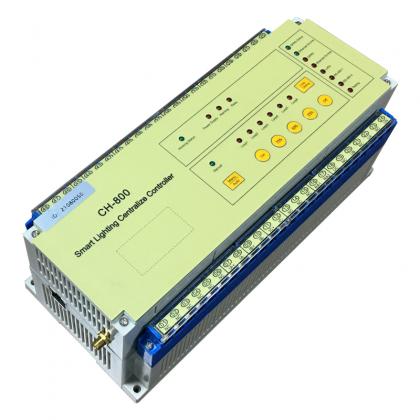
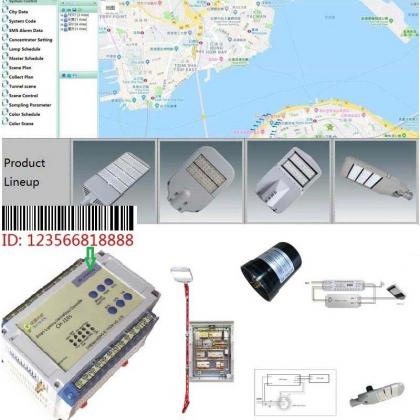
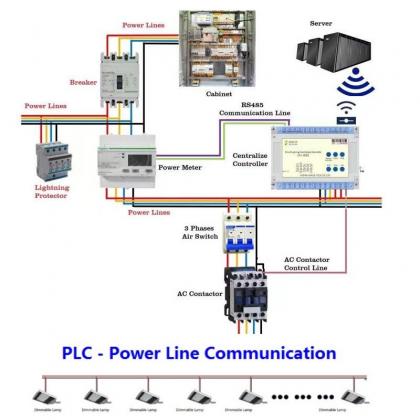
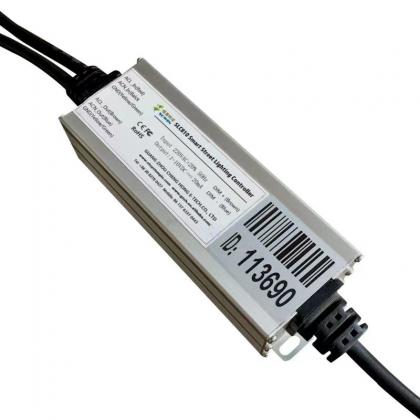
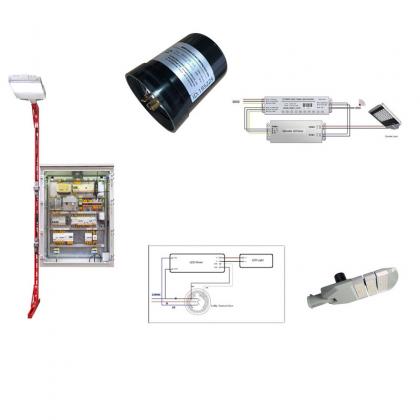
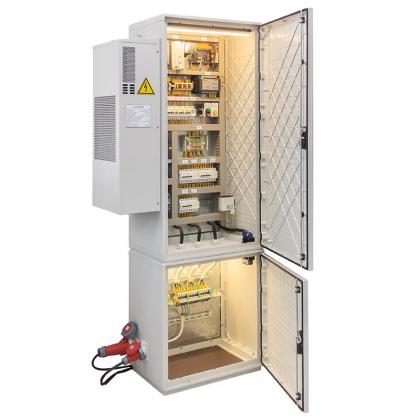
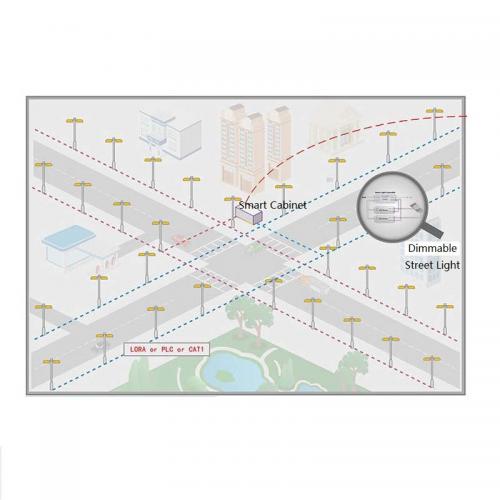
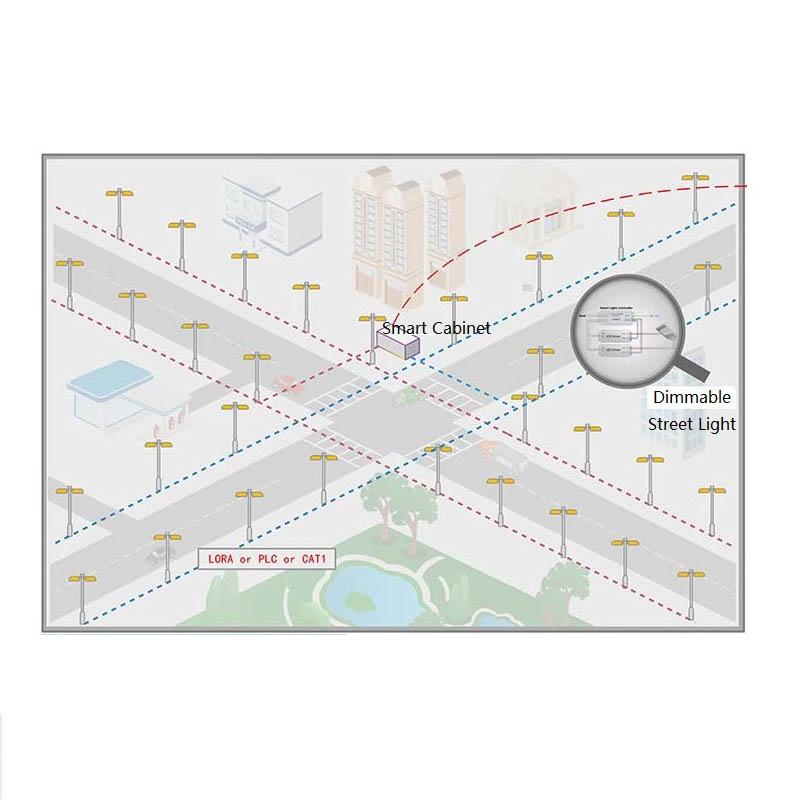
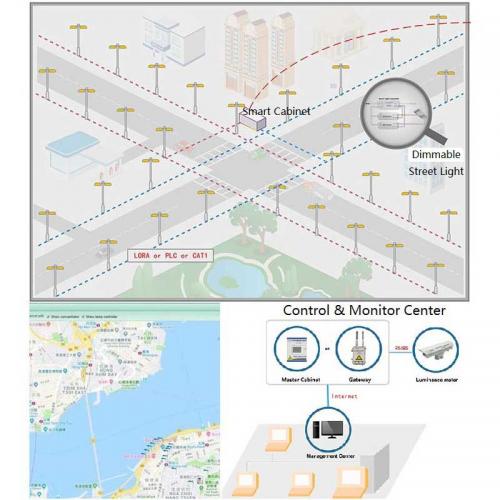
A municipal-grade lighting operating layer built on Cloud Server (or Sovereign On-Prem) + CH-800 Gateway + SLC810/SLC910 lamp-level controllers. Designed to deliver energy savings + road & public safety + value-added services (O&M ROI) across long-run city infrastructure.
In committee reviews, decisions are defended by evidence packages, not marketing. This center enforces a single-source rule: all videos/PDFs are centralized in one place to avoid broken links, missing files, and “email chasing.”
Download demo videos, curated evidence, and committee-ready materials in one place. Use this as the official committee link (avoid re-sending multiple attachments).
Governance note: evidence availability and traceability are part of infrastructure-grade supplier eligibility.
Final action: open the unified hub and share with your committee before the vote — Video/PDF Download Hub.
STSYSTEMPLC is engineered as a city-infrastructure operating layer — not merely a lighting network. A true global IoT lighting center must deliver three governed outcomes simultaneously: measurable energy savings, road & public safety, and value-added services that create operational ROI beyond electricity reduction.
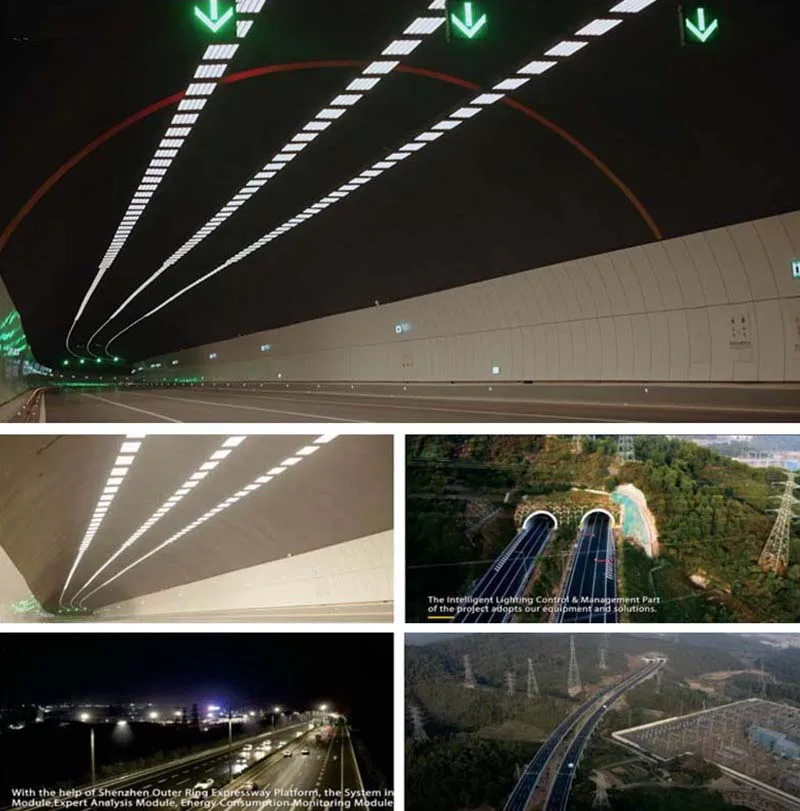
Safety lighting + Harmonized lighting + Charming city lighting
Three mandatory operating layers (no shortcuts)
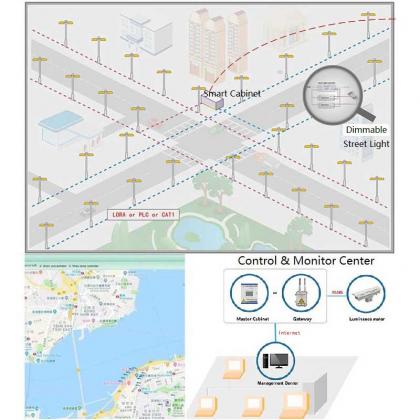
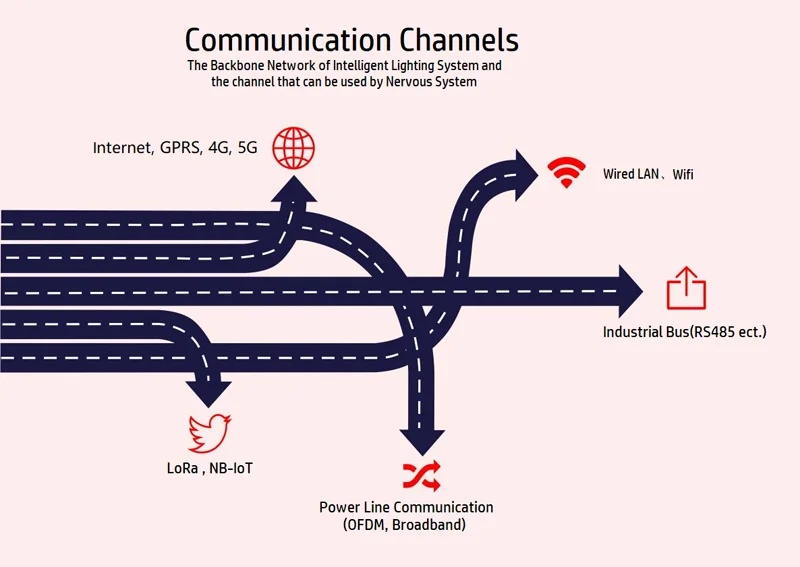
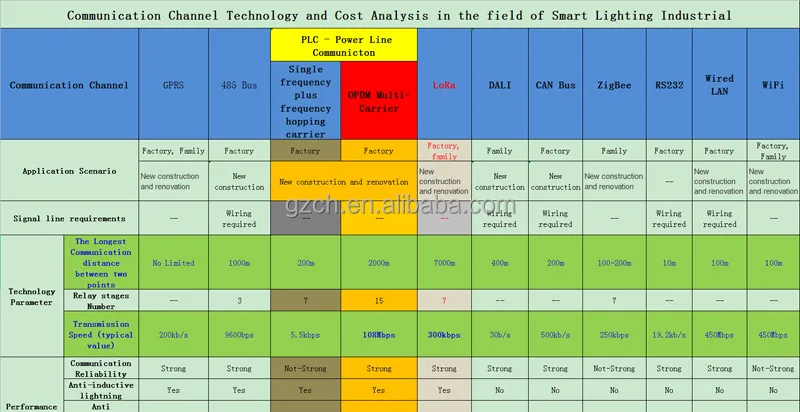
Hybrid PLC + LoRa — stable communication in complex / aging feeders
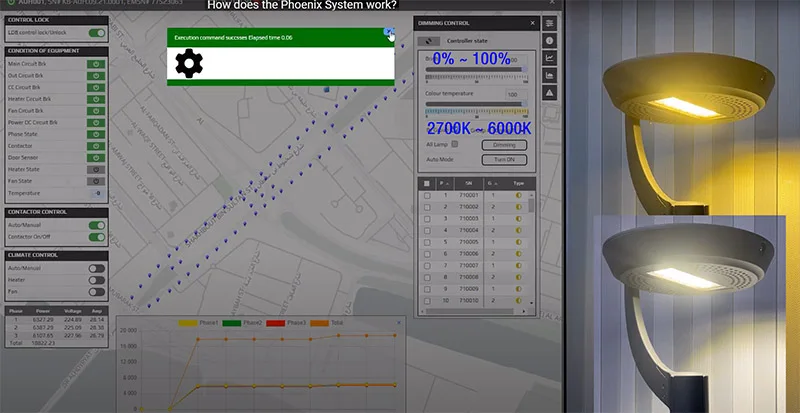
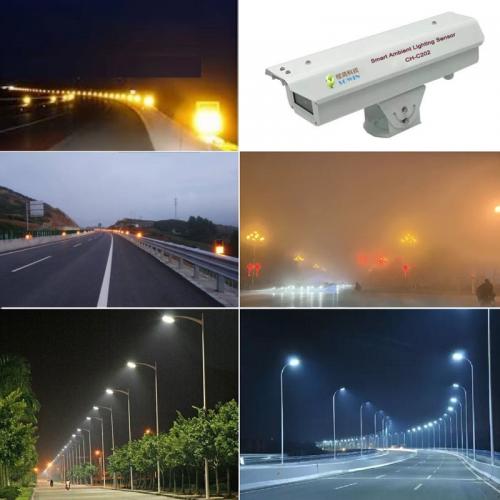
Adaptive CCT 2700K↔6000K — extreme-weather safety lighting solution
How to read (one minute)
Road input checklist (for DIALux + audited savings reports)
ROI Quick Slider (committee-friendly, live numbers)
Reference assumptions: 11 h/day, 90% saving vs HPS. Select tariff + adjust two sliders; numbers update instantly.
This project is infrastructure governance, not a lamp purchase. The supplier must provide auditable evidence, safety logic, and stable hybrid networking.
| Baseline HPS | Tariff | Annual kWh Saved | Annual Energy Saving | Annual O&M Saving | Total Annual Benefit | Payback |
|---|---|---|---|---|---|---|
| Baseline HPS 250W | ||||||
| 250W | Low 0.10 / kWh | 903,375 kWh / yr | $90,338 / yr | $20,000 / yr | $110,338 / yr | 4.35 yrs |
| 250W | Mid 0.20 / kWh | 903,375 kWh / yr | $180,675 / yr | $20,000 / yr | $200,675 / yr | 2.39 yrs |
| 250W | High 0.30 / kWh | 903,375 kWh / yr | $271,013 / yr | $20,000 / yr | $291,013 / yr | 1.65 yrs |
| Baseline HPS 400W (typical highway/tunnel corridors) | ||||||
| 400W | Low 0.10 / kWh | 1,445,400 kWh / yr | $144,540 / yr | $20,000 / yr | $164,540 / yr | 2.92 yrs |
| 400W | Mid 0.20 / kWh | 1,445,400 kWh / yr | $289,080 / yr | $20,000 / yr | $309,080 / yr | 1.55 yrs |
| 400W | High 0.30 / kWh | 1,445,400 kWh / yr | $433,620 / yr | $20,000 / yr | $453,620 / yr | 1.06 yrs |
| Baseline HPS | Tariff | Annual kWh Saved | Annual Energy Saving | Annual O&M Saving | Total Annual Benefit | Payback |
|---|---|---|---|---|---|---|
| Baseline HPS 250W | ||||||
| 250W | Low 0.10 / kWh | 9,033,750 kWh / yr | $903,375 / yr | $180,000 / yr | $1,083,375 / yr | 3.88 yrs |
| 250W | Mid 0.20 / kWh | 9,033,750 kWh / yr | $1,806,750 / yr | $180,000 / yr | $1,986,750 / yr | 2.11 yrs |
| 250W | High 0.30 / kWh | 9,033,750 kWh / yr | $2,710,125 / yr | $180,000 / yr | $2,890,125 / yr | 1.45 yrs |
| Baseline HPS 400W | ||||||
| 400W | Low 0.10 / kWh | 14,454,000 kWh / yr | $1,445,400 / yr | $180,000 / yr | $1,625,400 / yr | 2.58 yrs |
| 400W | Mid 0.20 / kWh | 14,454,000 kWh / yr | $2,890,800 / yr | $180,000 / yr | $3,070,800 / yr | 1.37 yrs |
| 400W | High 0.30 / kWh | 14,454,000 kWh / yr | $4,336,200 / yr | $180,000 / yr | $4,516,200 / yr | 0.93 yrs |
Open the Download Center to download demo videos + tender-safe evidence, then share it with your committee.
What creates the 90% delta
Procurement reality
O&M workflow ROI
Offline autonomy = public safety continuity
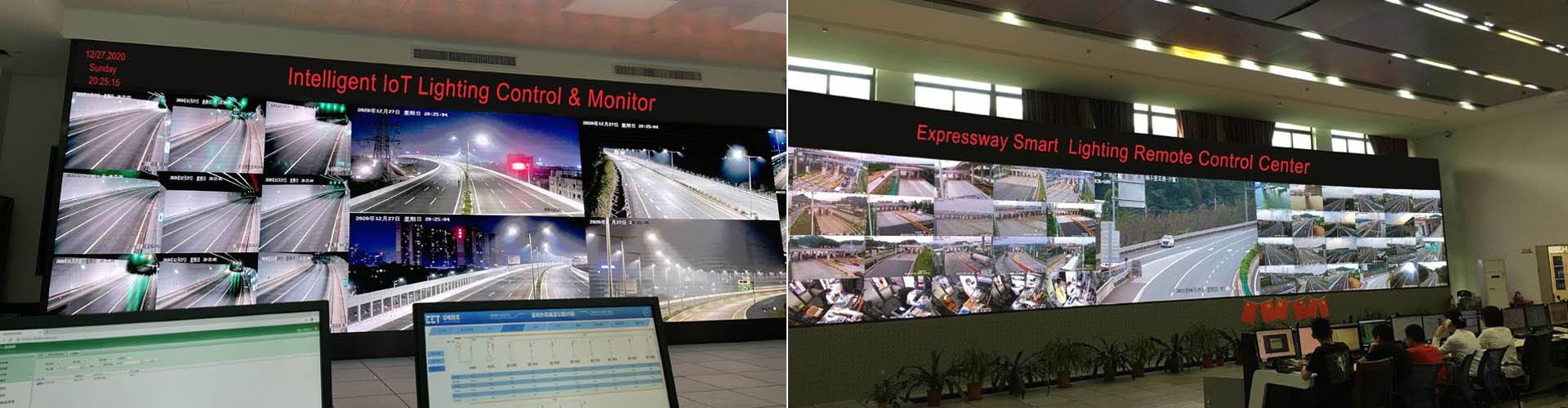
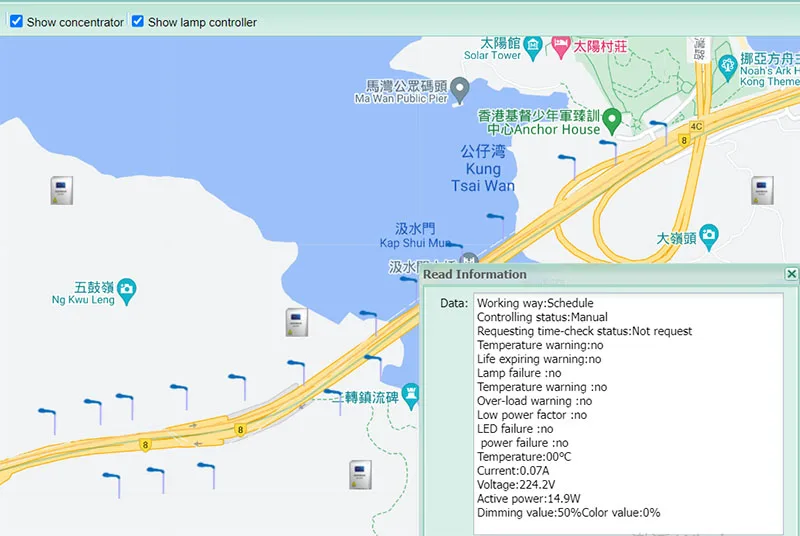
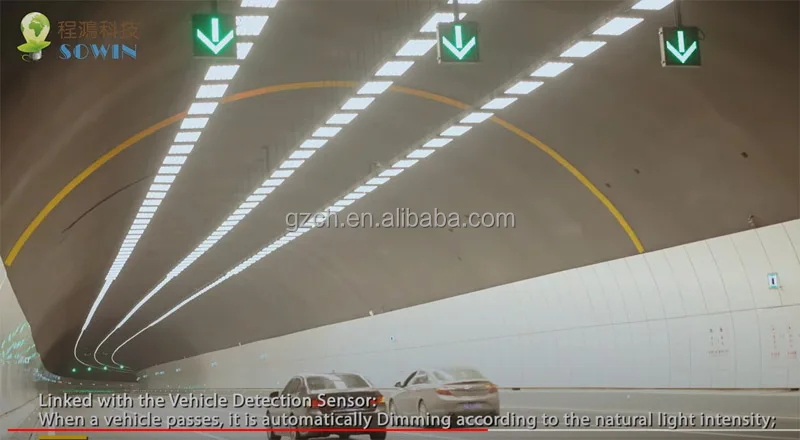
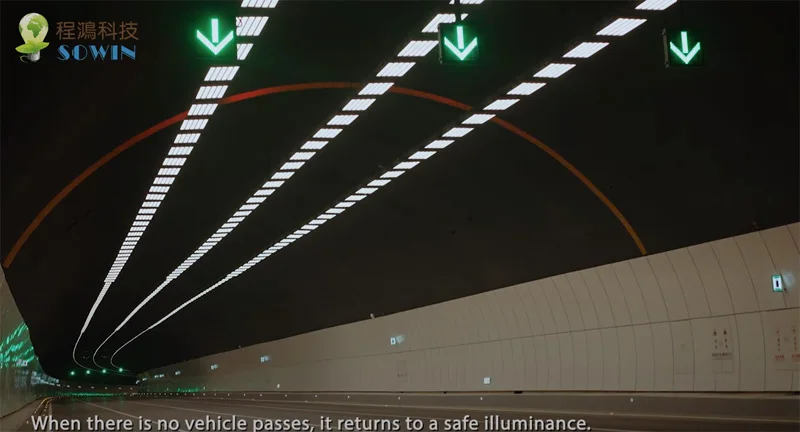
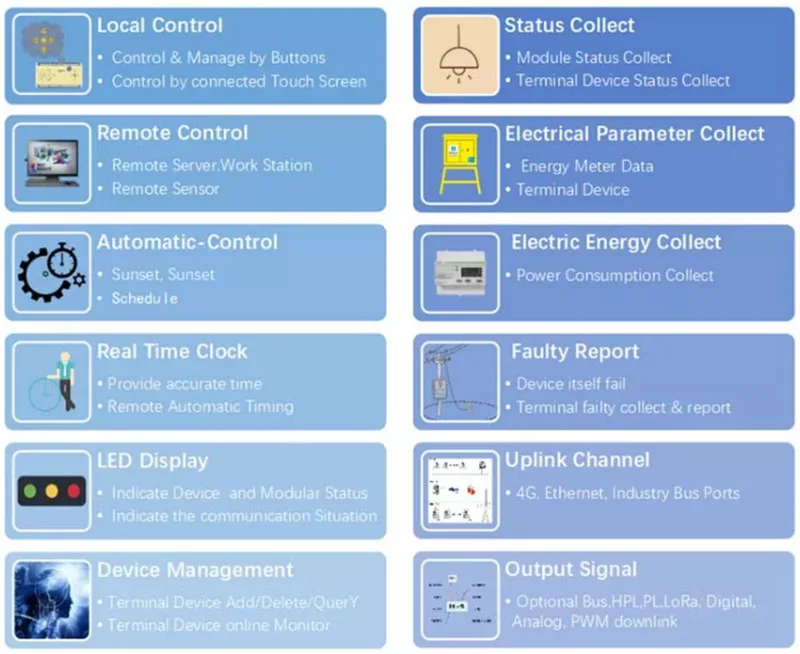
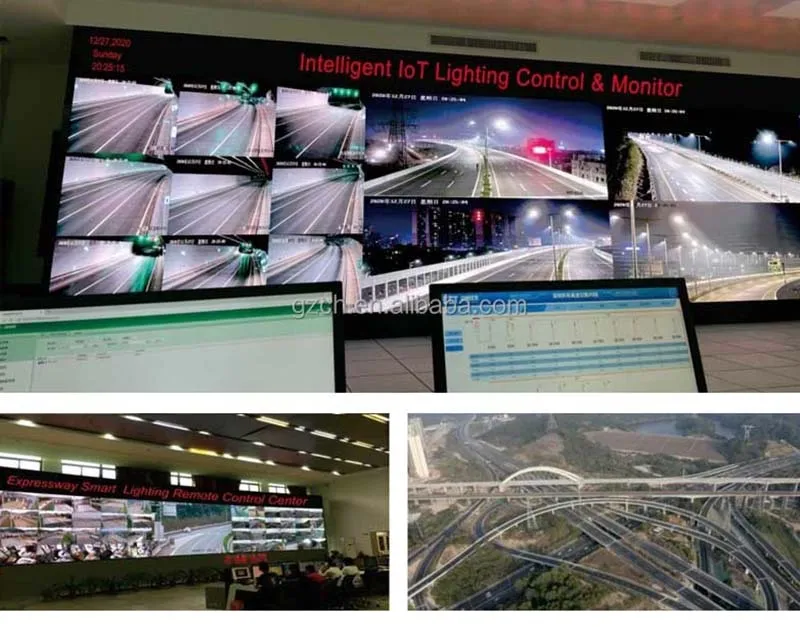
The STSYSTEMPLC command canvas is designed to prove outcomes: visibility, governed policy execution, and evidence-based reporting for energy, safety, and O&M ROI.
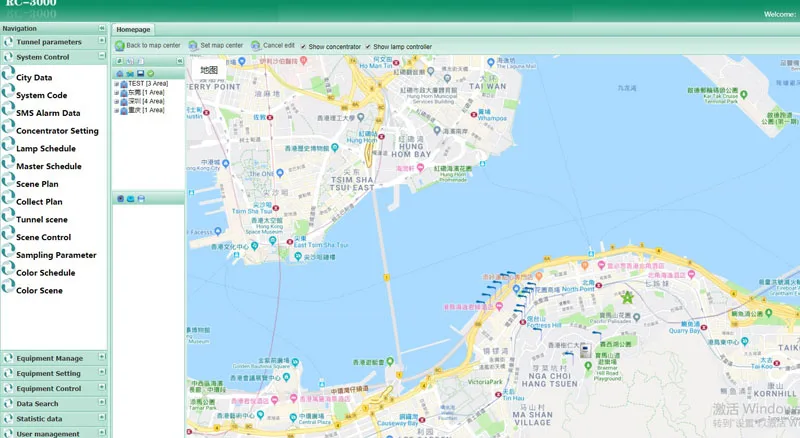
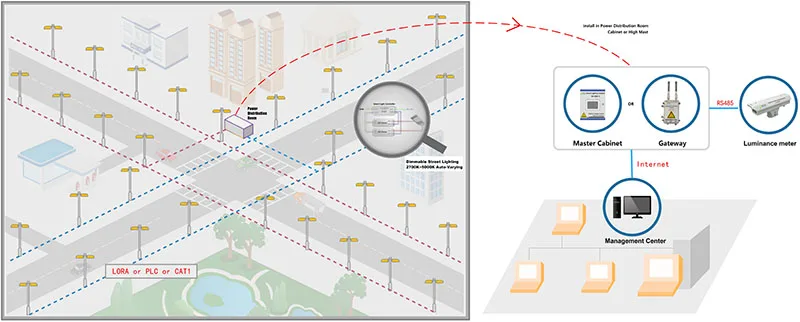
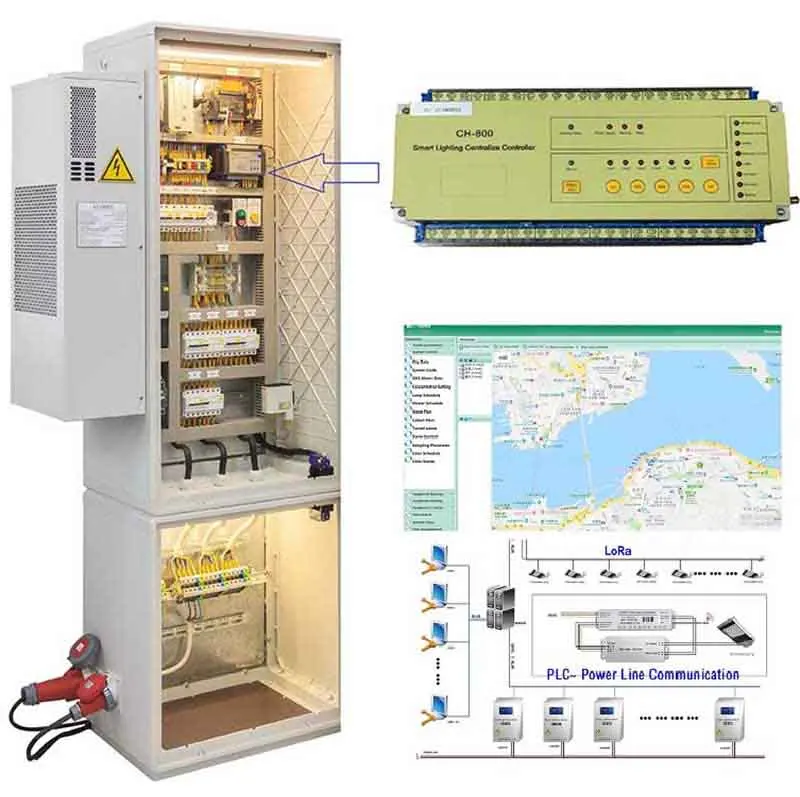
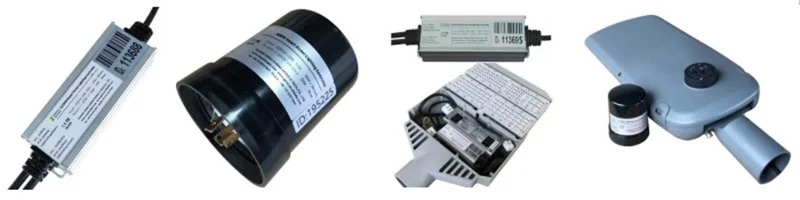
Use the Download Center to quickly collect videos/PDFs and share them with your committee.
Decision Reality (Infrastructure, Not Marketing)
Urban lighting is not a “buy once and forget” product. It becomes a city-wide operating layer with governance rules, evidence outputs, and long-run maintenance behavior. If the platform is wrong, the city pays the cost every night for years.
If governance is weak: savings claims become non-auditable; disputes become political; budgets become exposed.
If networking is unstable: safety modes fail during harsh weather; faults become invisible; citizens complain; O&M becomes chaos.
If supplier capability is shallow: integration collapses, evidence cannot be produced, and “upgrade” becomes re-build.
If you choose a vendor (not a center): you purchase devices, but you do not obtain a controlled operating discipline.
Tender-safe statement: this is a risk-control checklist, not a marketing promise.
I confirm this project requires:
(1) auditable kWh reports and ROI assumptions, (2) governed dimming & safety-lighting modes, (3) stable hybrid networking (PLC + LoRa) for complex feeders,
(4) offline continuity capability, and (5) integration readiness for future smart-city services.
If any supplier cannot provide controlled evidence, stable operation logic, and long-run governance discipline, that supplier is not eligible for a 20-year city infrastructure role.
Trap 1: ROI Without Evidence
If a supplier cannot provide assumption sheets, kWh reports, and traceable policy logs, the ROI is not auditable. Finance committees cannot defend it in future reviews.
Trap 2: Single-Channel Networking
Complex feeders, transformer barriers, and topology drift break “paper architectures.” Without hybrid PLC + LoRa resilience, stability collapses when conditions turn harsh.
Trap 3: “Upgrade” That Is Actually Rebuild
Closed systems and weak integration turn every future expansion (sensors, EV, traffic, CCTV) into a new project. The city pays again for controllers, gateways, software, and commissioning.
1) Multi-Year OPEX Leakage (Every Night)
Without governed dimming profiles + verified kWh reports, savings become “belief-based.” The result is continuous OPEX leakage that no one can prove or stop.
2) Safety Exposure in Extreme Weather
If safety modes and networking stability fail during storm/fog/snow, the city inherits visibility risk, citizen complaints, and governance accountability.
3) Rebuild Cost Disguised as “Upgrade”
A weak platform cannot evolve. Integration and evidence gaps turn into rework: new controllers, new gateways, new software, and repeated commissioning.
4) Evidence / Audit Failure (Budget & Tender Risk)
If the supplier cannot deliver assumption sheets, traceable policy logs, and audit-ready reports, project justification becomes fragile under review and future tender cycles.
Final action: open the unified hub and share with your committee before the vote — Video/PDF Download Hub.
One-link policy: all demo videos, tender-safe evidence, and committee-ready materials are provided through the unified hub.
Related Tags :

Address : F4,Bldg A, Hanzhong Industrial Park, No.67, North of Xinsha Ave, Xin Tang, Zeng Cheng, Guang Zhou, China
Tel : +86 20 8278 0427
Email : info@stsystemplc.com
Email : morrison426@163.com