Product Origin:
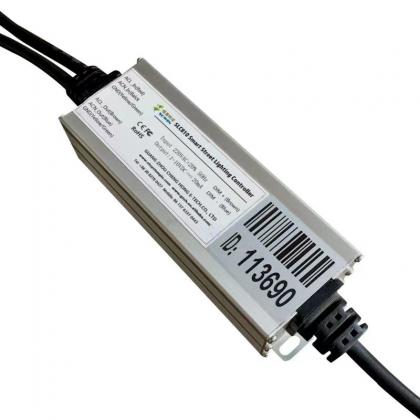
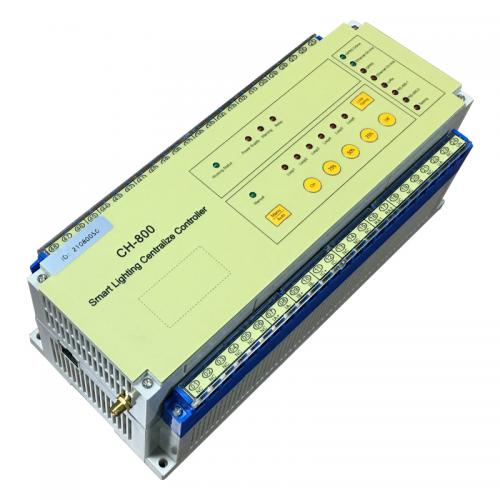
ChinaA municipal-grade lighting operating layer built on Cloud Server (or Sovereign On-Prem) + CH-800 Gateway + SLC810/SLC910 lamp-level controllers. Designed to deliver energy savings + road & public safety + value-added services (O&M ROI) across long-run city infrastructure.
STSYSTEMPLC is engineered as a city-infrastructure operating layer — not merely a lighting network. A true global IoT lighting center must deliver three governed outcomes simultaneously: measurable energy savings, road & public safety, and value-added services that create operational ROI beyond electricity reduction.
Safety lighting + Harmonized lighting + Charming city lighting
Three mandatory operating layers (no shortcuts)
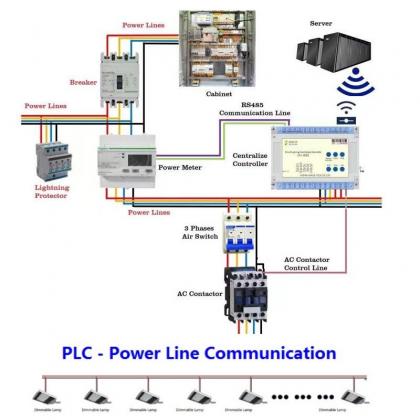
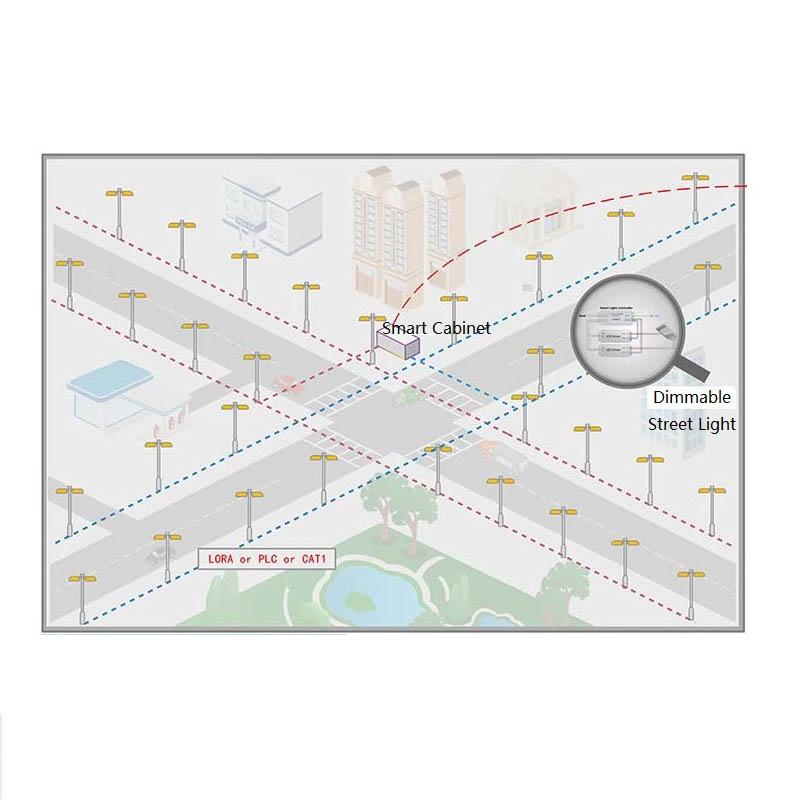
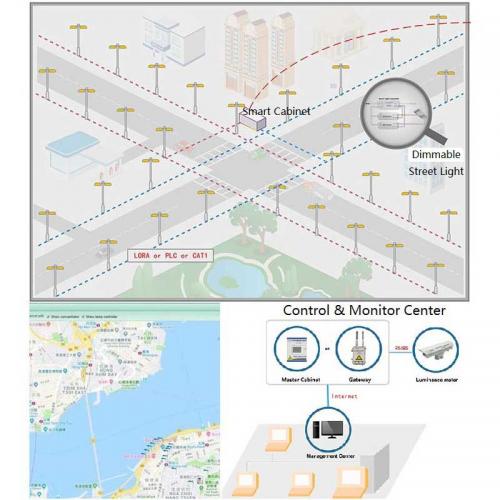
Hybrid PLC + LoRa — communication without obstacles in complex / aging city power lines
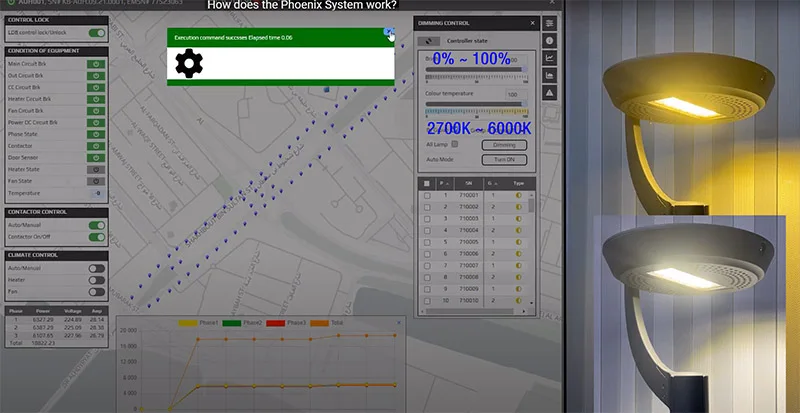
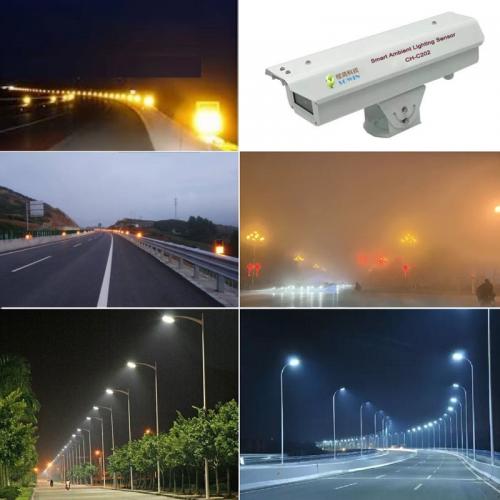
Adaptive CCT 2700K↔6000K — extreme-weather safety lighting solution
How to read (one minute)
Design inputs required for verified DIALux + audited ROI
| Baseline HPS | Tariff | Annual kWh Saved | Annual Energy Saving | Annual O&M Saving | Total Annual Benefit | Payback |
|---|---|---|---|---|---|---|
| Baseline HPS 250W | ||||||
| 250W | Low 0.10 / kWh | 903,375 kWh / yr | $90,338 / yr | $20,000 / yr | $110,338 / yr | 4.35 yrs |
| 250W | Mid 0.20 / kWh | 903,375 kWh / yr | $180,675 / yr | $20,000 / yr | $200,675 / yr | 2.39 yrs |
| 250W | High 0.30 / kWh | 903,375 kWh / yr | $271,013 / yr | $20,000 / yr | $291,013 / yr | 1.65 yrs |
| Baseline HPS 400W (typical highway/tunnel corridors) | ||||||
| 400W | Low 0.10 / kWh | 1,445,400 kWh / yr | $144,540 / yr | $20,000 / yr | $164,540 / yr | 2.92 yrs |
| 400W | Mid 0.20 / kWh | 1,445,400 kWh / yr | $289,080 / yr | $20,000 / yr | $309,080 / yr | 1.55 yrs |
| 400W | High 0.30 / kWh | 1,445,400 kWh / yr | $433,620 / yr | $20,000 / yr | $453,620 / yr | 1.06 yrs |
| Baseline HPS | Tariff | Annual kWh Saved | Annual Energy Saving | Annual O&M Saving | Total Annual Benefit | Payback |
|---|---|---|---|---|---|---|
| Baseline HPS 250W | ||||||
| 250W | Low 0.10 / kWh | 9,033,750 kWh / yr | $903,375 / yr | $180,000 / yr | $1,083,375 / yr | 3.88 yrs |
| 250W | Mid 0.20 / kWh | 9,033,750 kWh / yr | $1,806,750 / yr | $180,000 / yr | $1,986,750 / yr | 2.11 yrs |
| 250W | High 0.30 / kWh | 9,033,750 kWh / yr | $2,710,125 / yr | $180,000 / yr | $2,890,125 / yr | 1.45 yrs |
| Baseline HPS 400W | ||||||
| 400W | Low 0.10 / kWh | 14,454,000 kWh / yr | $1,445,400 / yr | $180,000 / yr | $1,625,400 / yr | 2.58 yrs |
| 400W | Mid 0.20 / kWh | 14,454,000 kWh / yr | $2,890,800 / yr | $180,000 / yr | $3,070,800 / yr | 1.37 yrs |
| 400W | High 0.30 / kWh | 14,454,000 kWh / yr | $4,336,200 / yr | $180,000 / yr | $4,516,200 / yr | 0.93 yrs |
What creates the 90% delta (not only luminaire efficiency)
Procurement reality
B) Two Sliders (with arrows) + Auto Savings
O&M workflow ROI (value-added service, not only energy)
Offline autonomy = public safety continuity
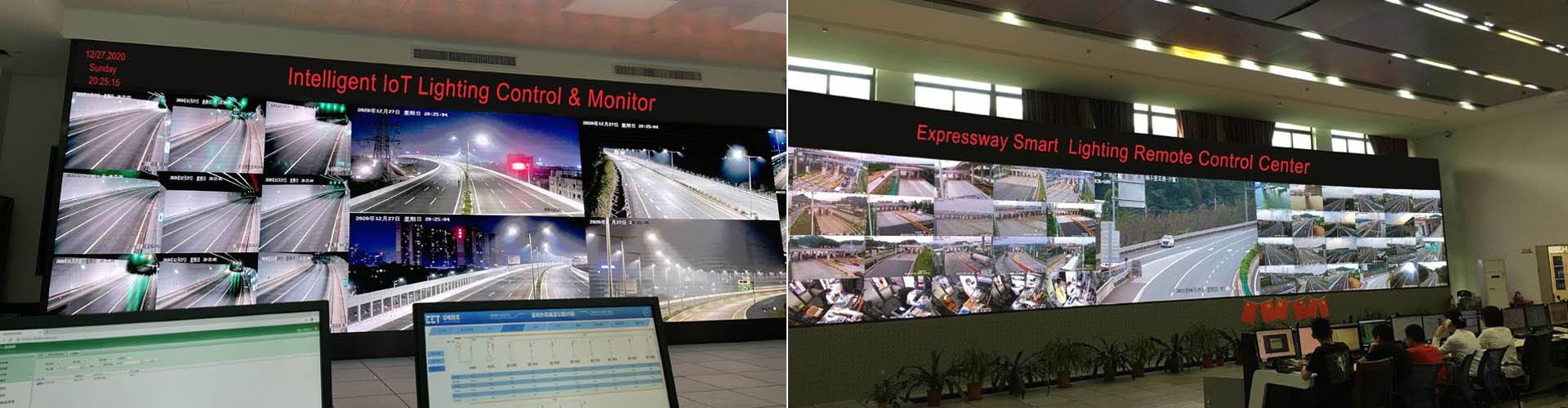
The STSYSTEMPLC command canvas is designed to prove outcomes: city-scale visibility, governed policy execution, and evidence-based reporting for energy, safety, and O&M ROI.
STSYSTEMPLC turns the lighting grid into a city service carrier layer: value beyond electricity savings — operational ROI, safer streets, and integrated city management.
Third-party platform interoperability
mmWave radar + video integrated unit (traffic optimization)
Industrial-grade discipline (continuous duty)
Brand & delivery (STSYSTEMPLC)
Key: Adaptive CCT is not decoration; it is a policy-controlled safety response with traceable execution logs.
Key: Hybrid PLC + LoRa provides redundancy and transformer-crossing paths for long-run stability.
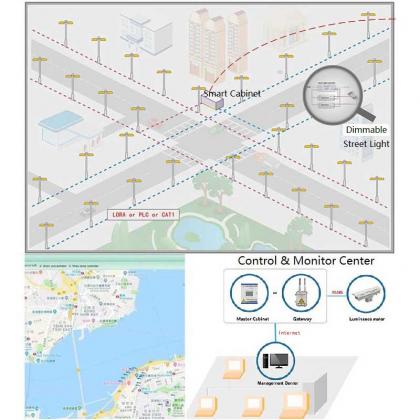
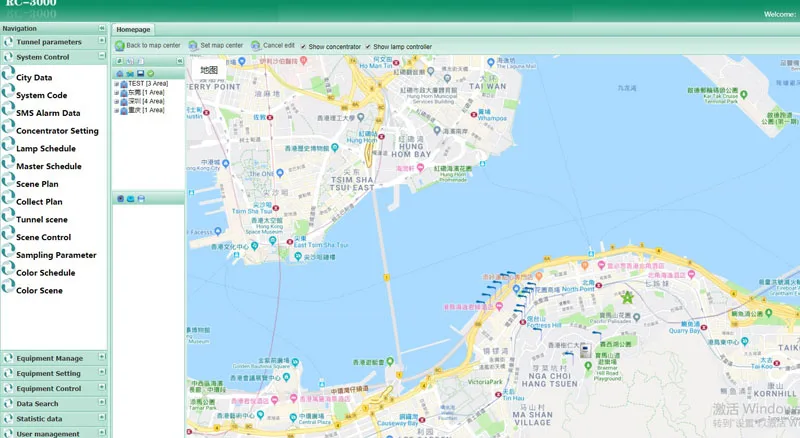
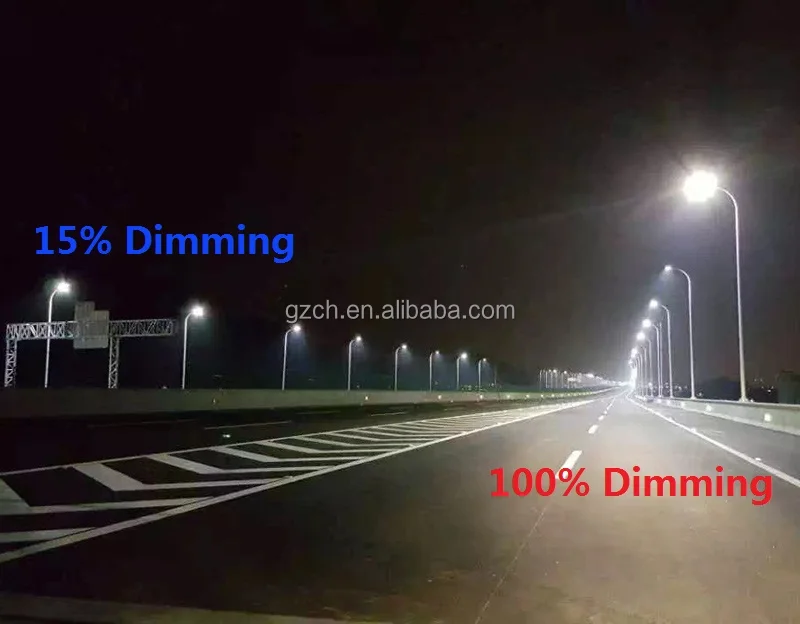
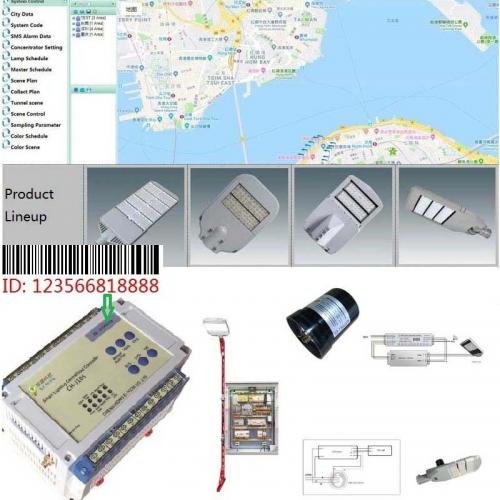
The system provides secure, centralized visibility and control with scheduling, scenes, and on-demand dimming. Adaptive CCT (6000K to 2700K) supports extreme-weather safety modes, while sensor networking maximizes energy optimization efficiency.

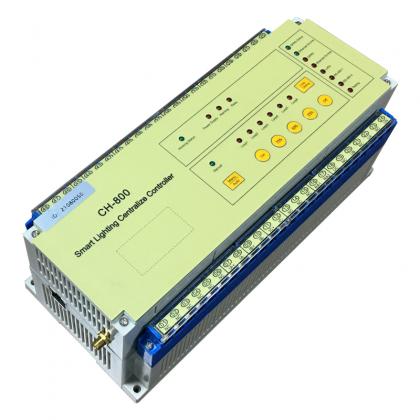
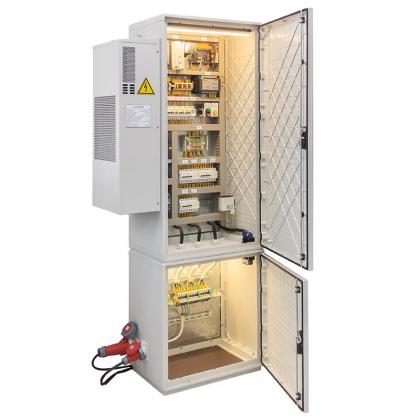
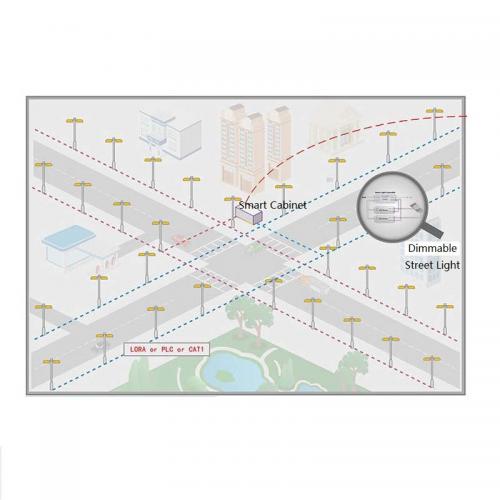
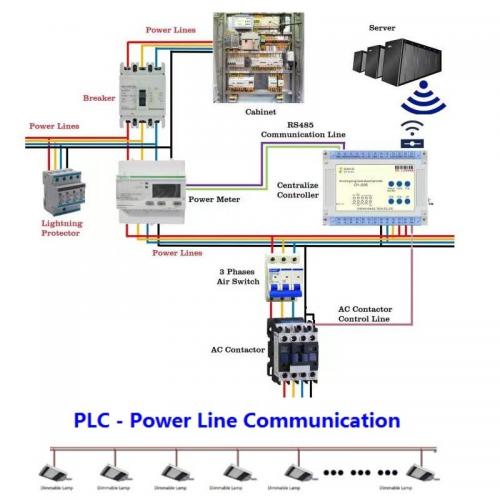
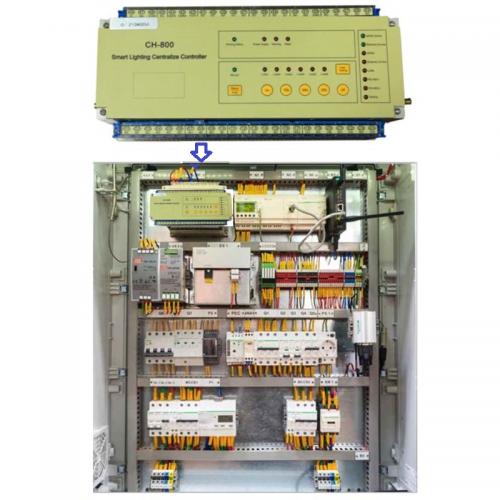
The cabinet acts as the operational nerve center: group control, feeder monitoring, event governance, and autonomous stability even when the internet is unavailable, supported by astronomical calendar logic and measured electrical parameters.
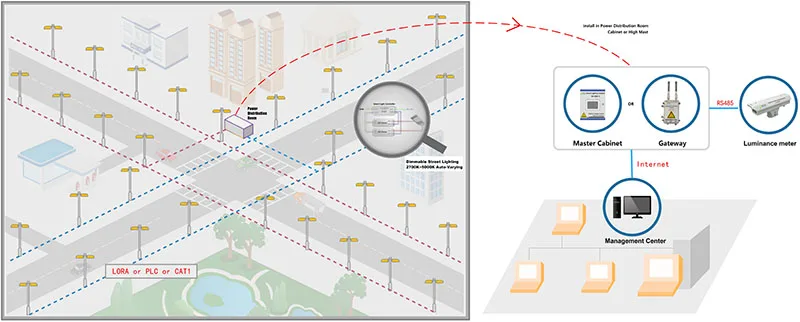
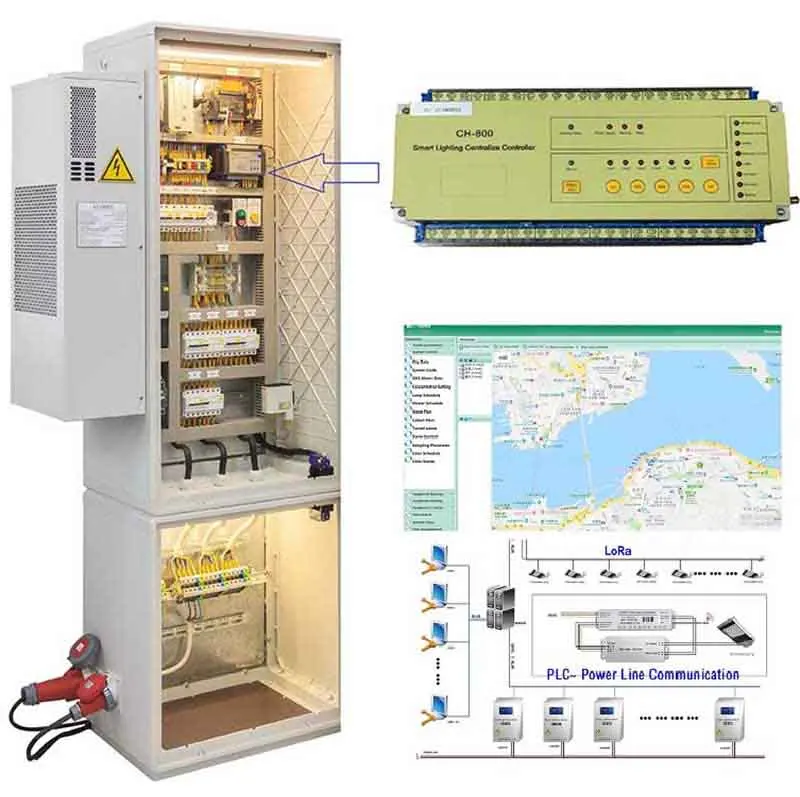
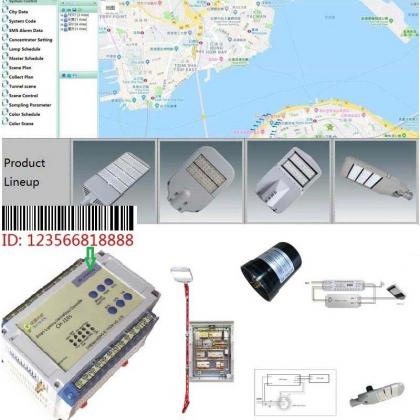
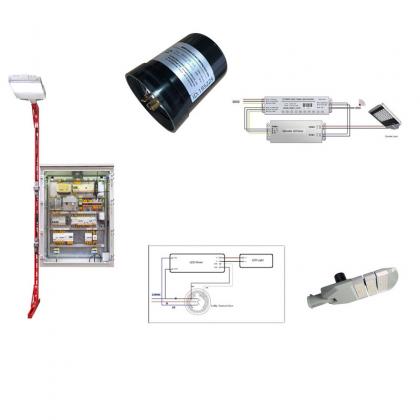
Lamp-level controllers provide remote on/off/dimming, status monitoring, electrical feedback, and optional sensor networking. The always-on grid can also host additional smart city services such as EV charging, weather sensors, CCTV, and traffic flow cameras.
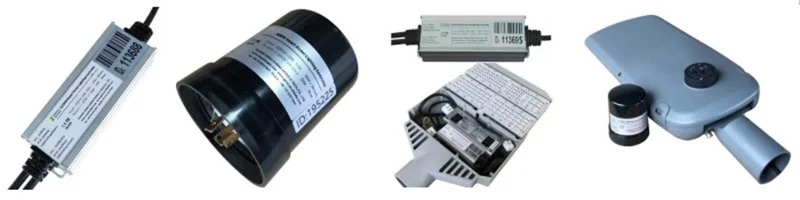
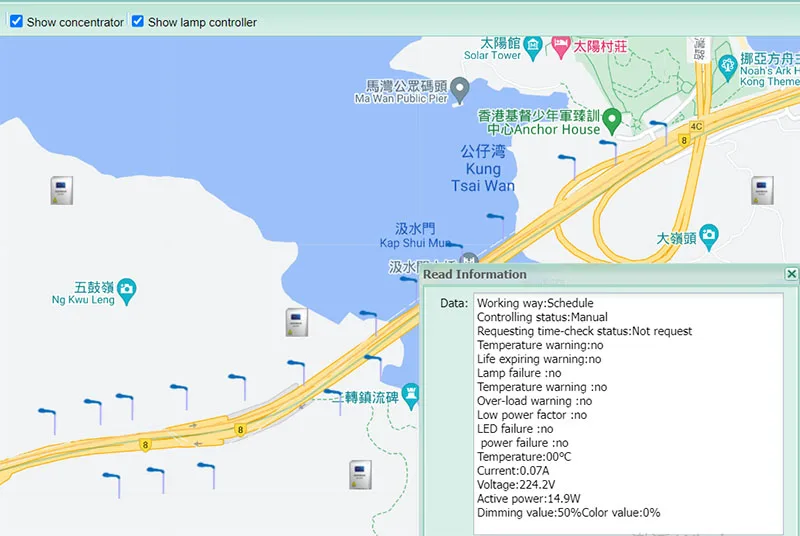
Sensor networking enables the right light at the right place: busy areas, unexpected events, and comfort-aware safety lighting. Automated fault notifications and performance insights support better decisions and fewer citizen complaints.
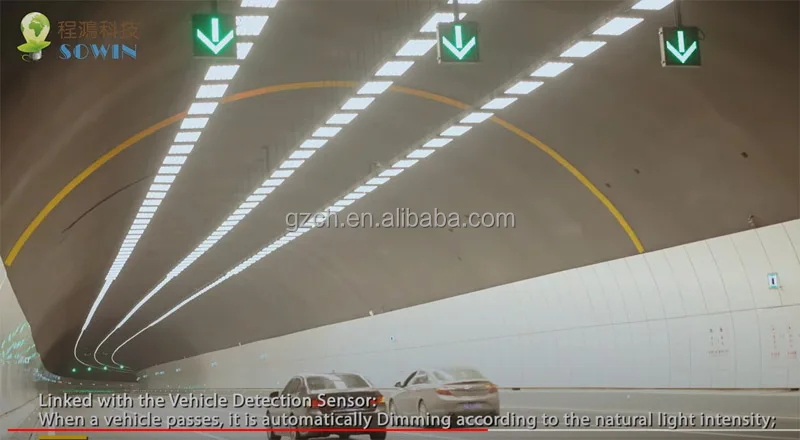
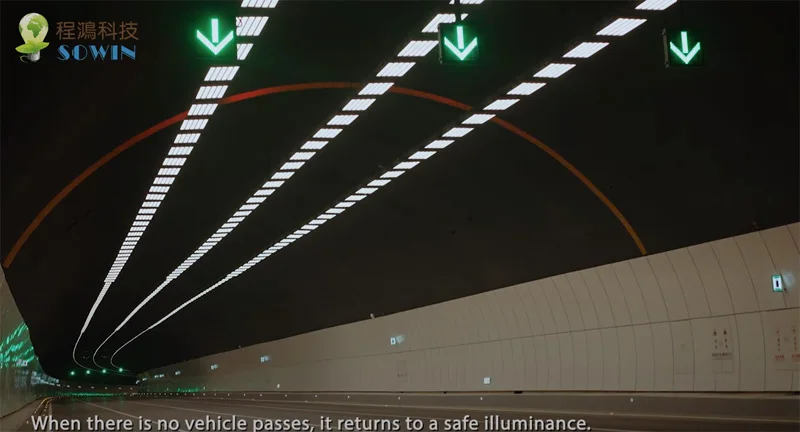
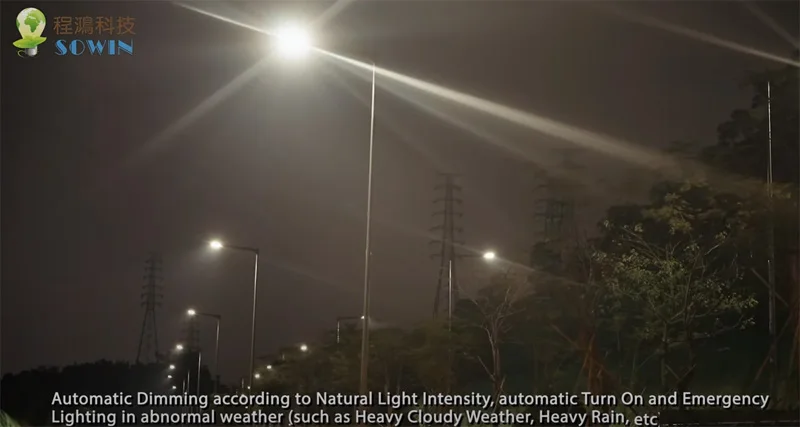
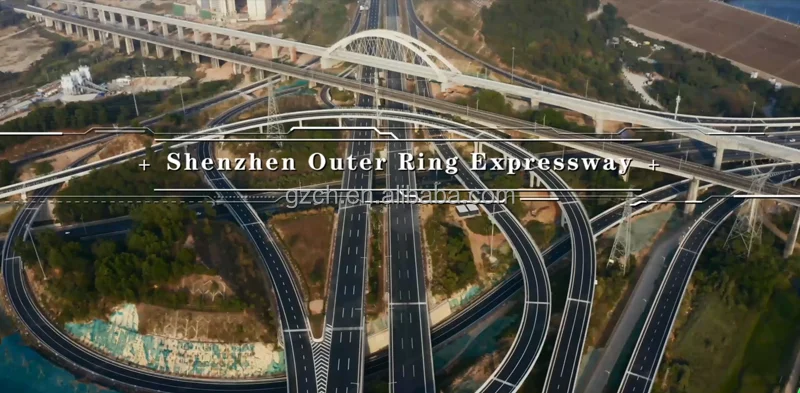
Sensor networking field evidence video (committee-ready).
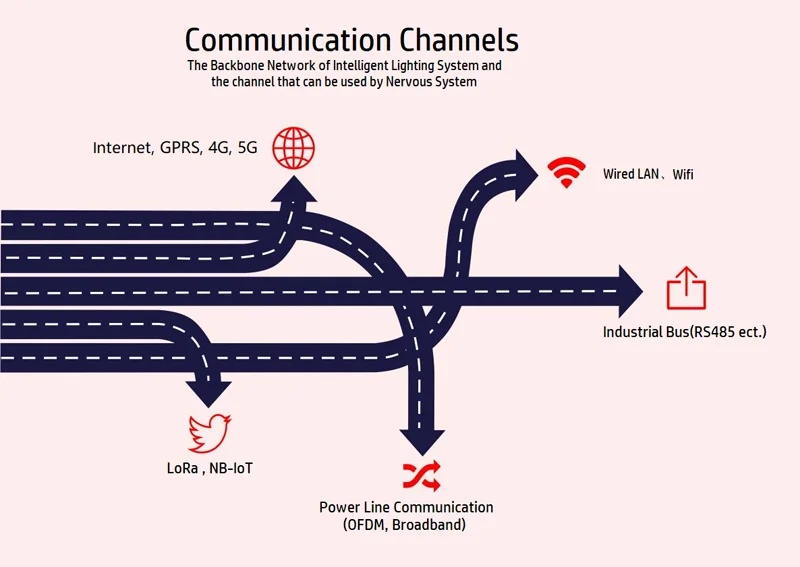
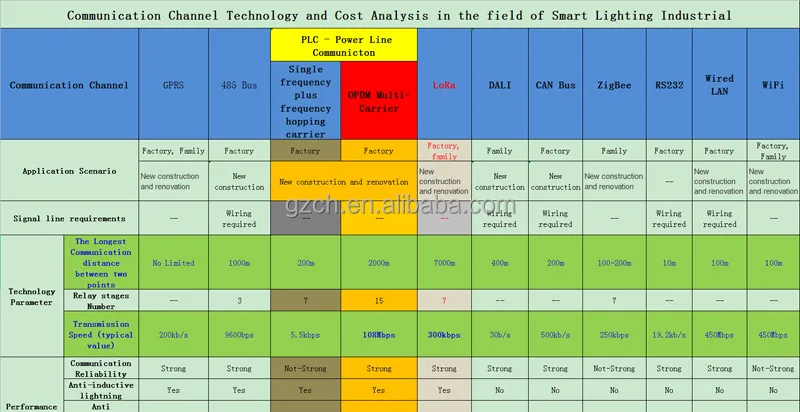
PLC transfers data over existing powerlines; LoRa provides robust transformer-crossing capability.
Integrate traffic flow, security, environmental sensors, EV charging, emergency response, weather systems, asset management, and more through a single command dashboard and open integration approach.
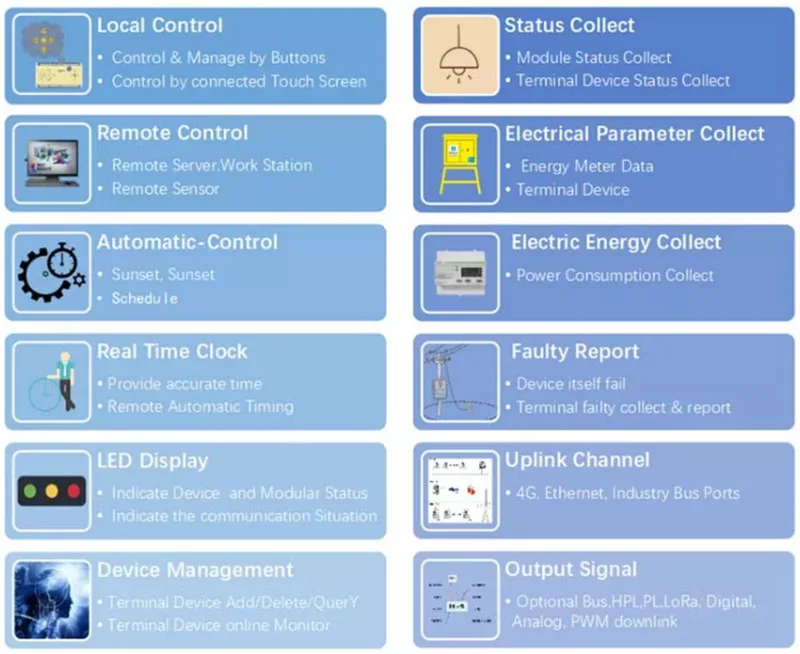
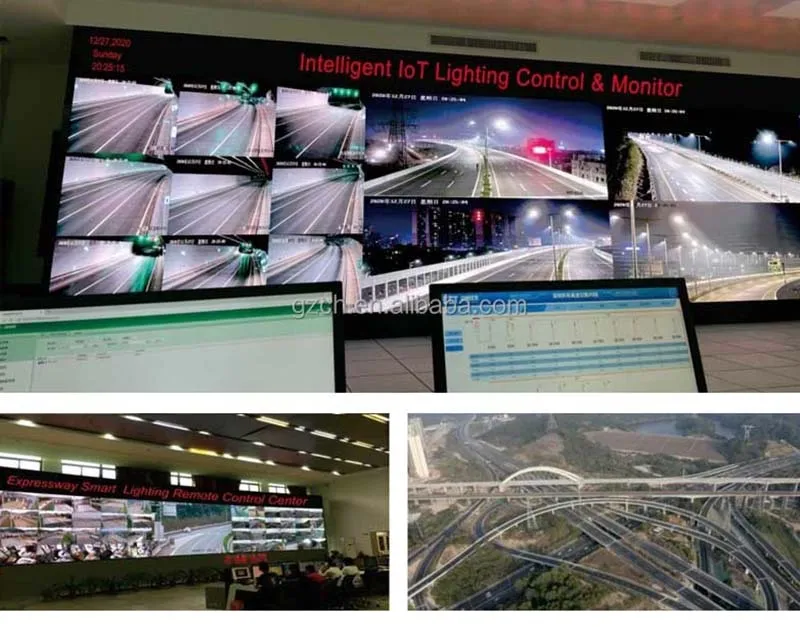
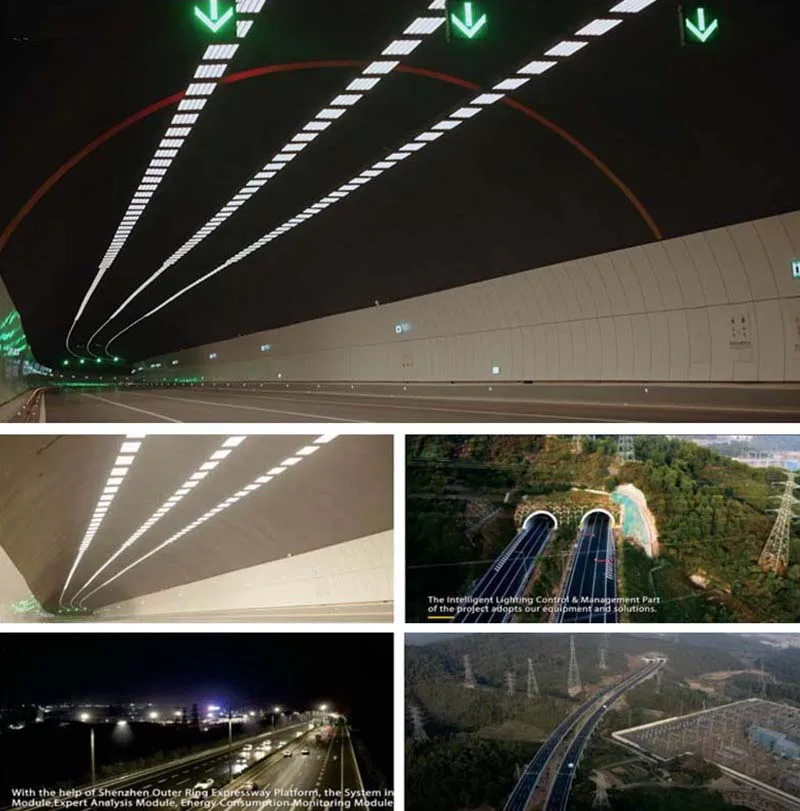
All tender-winning proof videos/PDF: open unified download hub.
This is the single entry for your team to download all required materials: DEMO videos, tender-winning proof videos, and PDF evidence packs.
All downloads are centralized here (Video/PDF/ZIP).
Decision Reality (Infrastructure, Not Marketing)
Urban lighting is not a “buy once and forget” product. It becomes a city-wide operating layer with governance rules, evidence outputs, and long-run maintenance behavior. If the platform is wrong, the city pays the cost every night for years.
Tender-safe statement: this is a risk-control checklist, not a marketing promise.
PROCUREMENT SIGN-OFF CLAUSE (COMMITTEE-GRADE)
I confirm this project requires: (1) auditable kWh reports and ROI assumptions, (2) governed dimming & safety-lighting modes, (3) stable hybrid networking (PLC + LoRa) for complex feeders, (4) offline continuity capability, and (5) integration readiness for future smart-city services.
If any supplier cannot provide controlled evidence, stable operation logic, and long-run governance discipline, that supplier is not eligible for a 20-year city infrastructure role.
DECISION TRAP (PROCUREMENT PITFALLS) — “LOOKS CHEAPER” BUT BECOMES UNBUDGETABLE
If a supplier cannot provide assumption sheets, kWh reports, and traceable policy logs, the ROI is not auditable. Finance committees cannot defend it in future reviews.
Complex feeders, transformer barriers, and topology drift break “paper architectures.” Without hybrid PLC + LoRa resilience, stability collapses when conditions turn harsh.
Closed systems and weak integration turn every future expansion (sensors, EV, traffic, CCTV) into a new project. The city pays again for controllers, gateways, software, and commissioning.
NON-COMPLIANCE COST (IRREVERSIBLE) — IF YOU CHOOSE THE WRONG SUPPLIER
Without governed dimming profiles + verified kWh reports, savings become “belief-based.” The result is continuous OPEX leakage that no one can prove or stop.
If safety modes and networking stability fail during storm/fog/snow, the city inherits visibility risk, citizen complaints, and governance accountability.
A weak platform cannot evolve. Integration and evidence gaps turn into rework: new controllers, new gateways, new software, and repeated commissioning.
If the supplier cannot deliver assumption sheets, traceable policy logs, and audit-ready reports, project justification becomes fragile under review and future tender cycles.
SUPPLIER ELIGIBILITY GATE (MINIMUM REQUIREMENTS)
Century-class flagship references are your bid-winning weapons: audited proof, not claims.
Final action: open the unified hub and share with your committee before the vote — Video/PDF Download Hub.
Rule: do not distribute scattered links — use the unified hub only (clean, tender-safe, committee-safe).
Tip: If someone asks “Where is the proof?”, answer with one link only (the hub). No confusion, no missing evidence.
Use this one link for committee sharing and final vote preparation.
Open Video/PDF Download HubRelated Tags :

Address : F4,Bldg A, Hanzhong Industrial Park, No.67, North of Xinsha Ave, Xin Tang, Zeng Cheng, Guang Zhou, China
Tel : +86 20 8278 0427
Email : info@stsystemplc.com
Email : morrison426@163.com