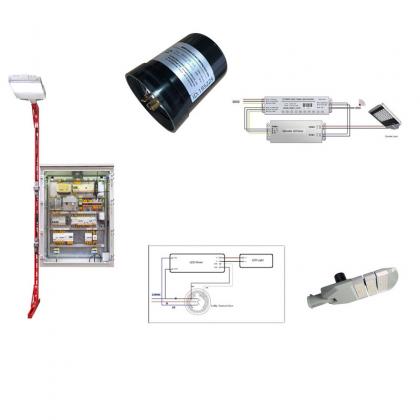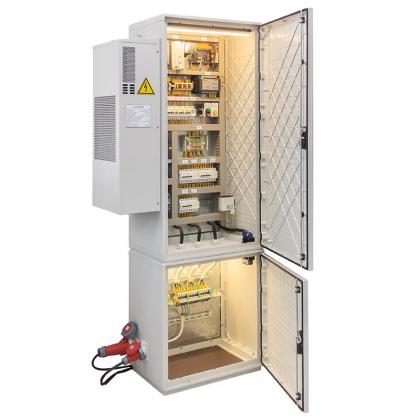


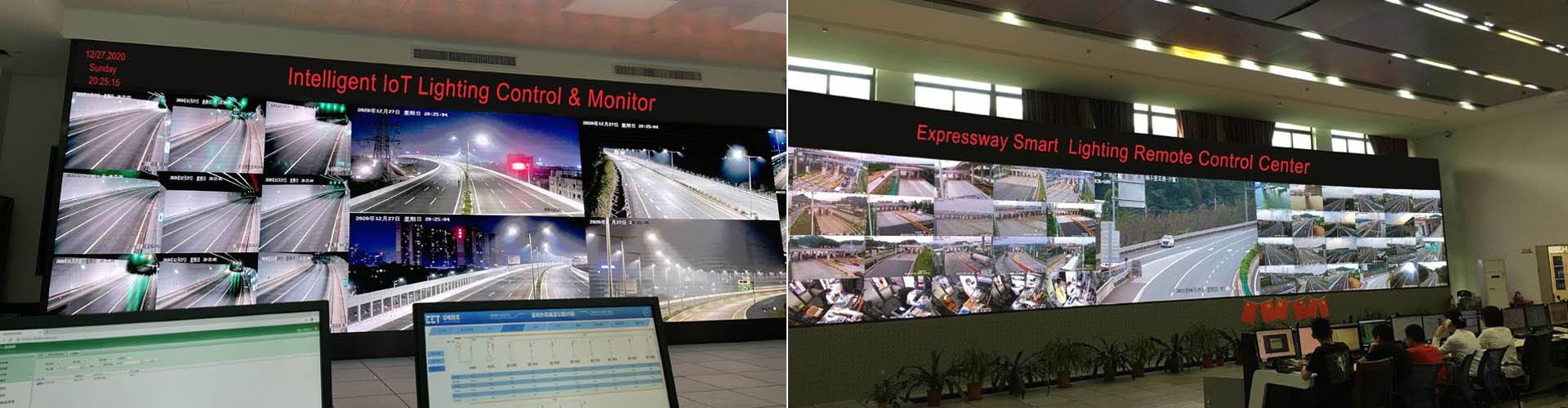
Hybrid Solar Grid Street Lighting project fit
Priority roads where outages, brownouts, tariffs and solar availability require coordinated energy control.
Why Choose an IoT-Enabled Hybrid Solar + Grid Street Lighting System?
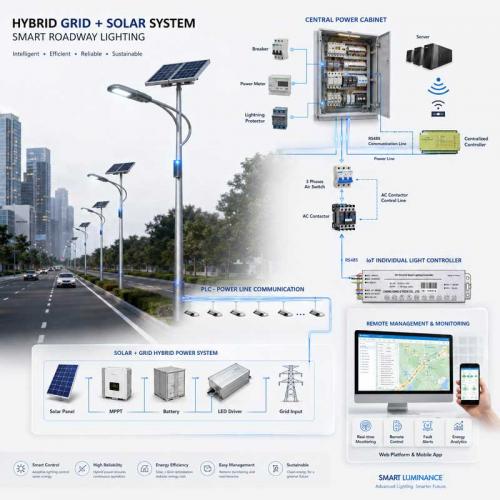
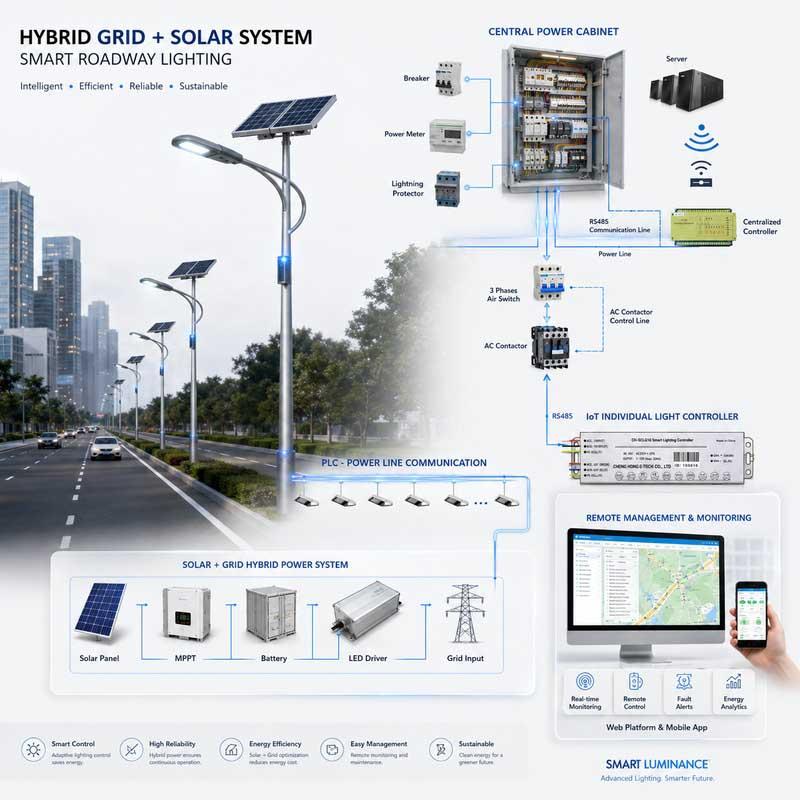
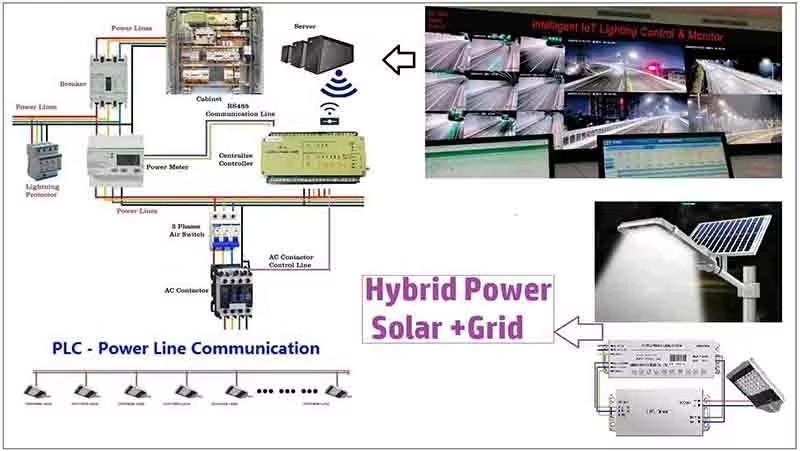
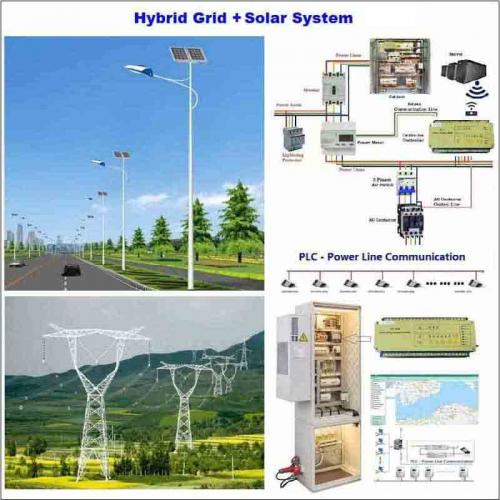
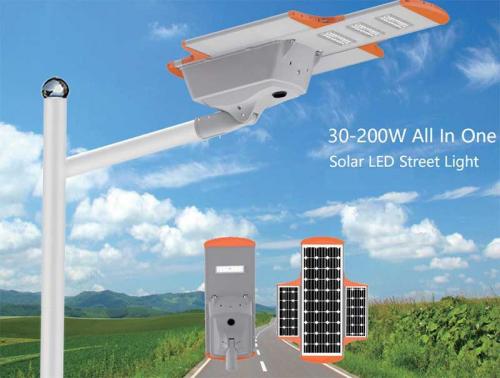
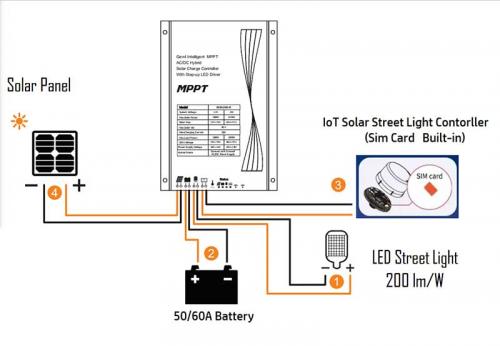
An IoT-enabled hybrid solar + grid street lighting system combines solar power, grid electricity, LiFePO4 battery storage, and remote management to provide reliable and energy-efficient outdoor lighting.
During sunny periods, solar panels power the lights and charge the batteries. During cloudy or rainy weather, low battery conditions, or power shortages, the system automatically selects battery or grid power according to the configured strategy. Off-peak grid charging can also reduce electricity costs while maintaining continuous lighting.
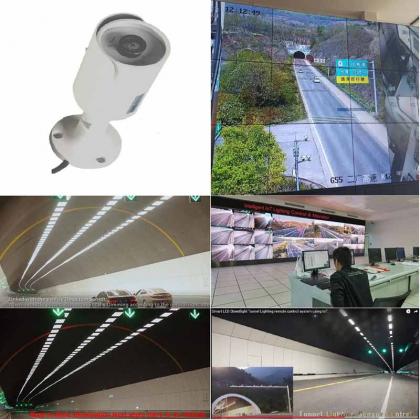
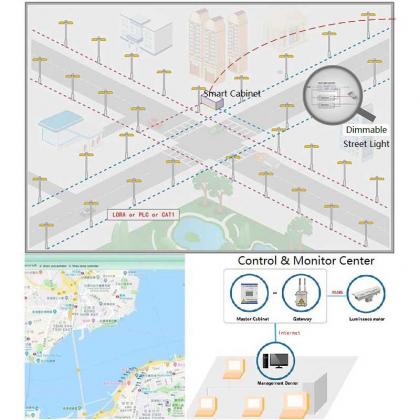
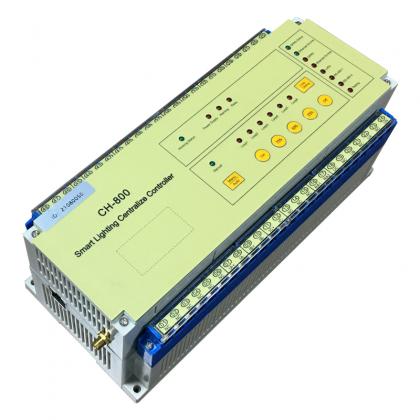
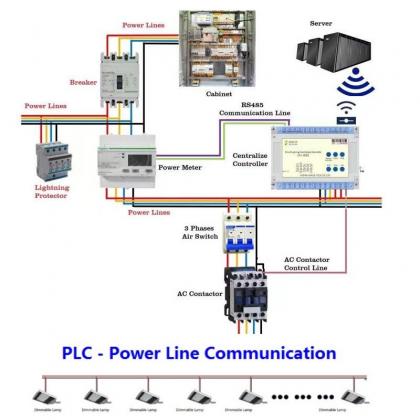
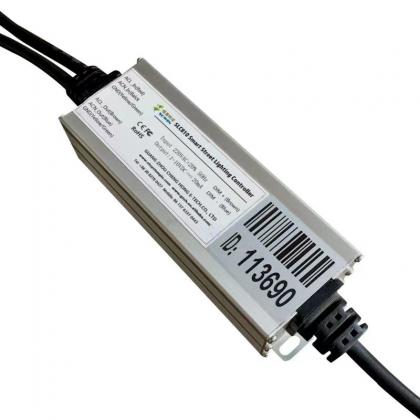
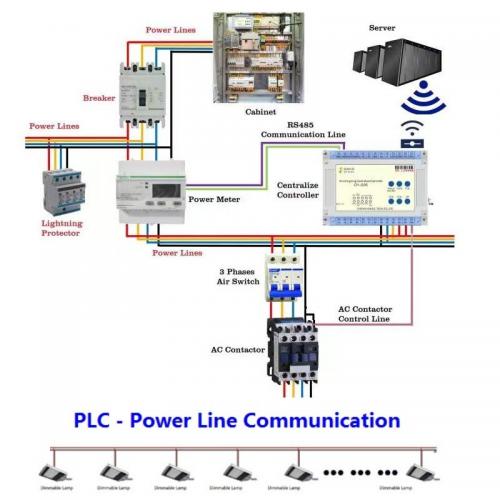
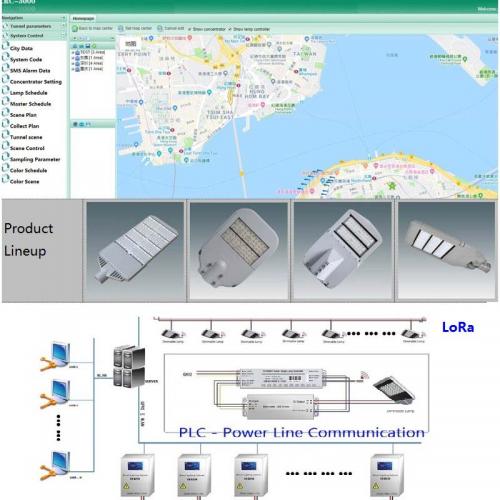
IoT lamp-level controllers monitor voltage, current, power consumption, temperature, battery status, charging conditions, and lamp operation. LED failures, low battery levels, grid outages, abnormal energy use, and communication faults can be detected and reported automatically.
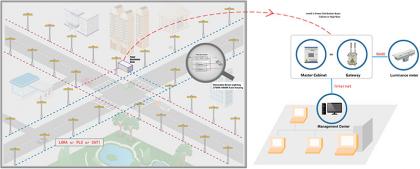
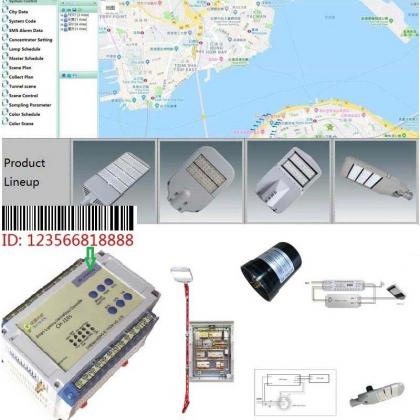
Operators can remotely switch, dim, schedule, and monitor each light through a centralized platform, reducing manual inspections and maintenance costs.
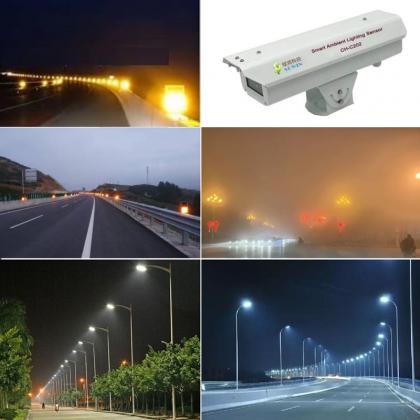
This solution is suitable for urban roads, highways, rural communities, industrial zones, campuses, and regions with unstable grids or long rainy seasons. It combines solar energy savings, grid reliability, battery backup, and intelligent lighting management.
Coordinate Solar, Grid and LiFePO4 Battery Power through MPPT, Off-Peak Nighttime Grid Charging, Low-Voltage Battery Protection and Deep-Discharge Prevention to Maintain Reliable Lighting during Grid Outages, Weak Solar Generation and Consecutive Rainy Days.
Priority roads where outages, brownouts, tariffs and solar availability require coordinated energy control.
Projects promising indefinite autonomy without load, solar resource, battery aging and rainy-day analysis.
| Route | Project fit | Required proof |
|---|---|---|
| Grid-primary backup | Use where outages are occasional. | Approve grid-primary backup after grid evidence and a witnessed false grid recovery test. |
| Solar-primary grid support | Use where solar supplies normal operation. | Approve solar-primary grid support after solar evidence and a witnessed insufficient reserve test. |
| Policy-based hybrid operation | Use where tariff and reserve targets justify controlled charging. | Approve policy-based hybrid operation after battery evidence and a witnessed weak solar charging test. |
Voltage state, outage, recovery and transfer events.
PV power, expected yield and weak-charging indicators.
SOC, SOH indicators, temperature and current.
Priority group, dimming and continuity result.
Document monitor valid, weak, failed and recovering states within declared device boundaries.
Judge grid-primary backup against solar-primary grid support and policy-based hybrid operation.
Choose the site condition where false grid recovery can expose the largest uncertainty.
Verify pv power, expected yield and weak-charging indicators. plus insufficient reserve and controlled restart.
Witness use confirmed detection and stable retransfer. under representative site conditions.
Deliver priority group, dimming and continuity result. with rights, versions, spares and recovery instructions.
| Failure | Control | Witness method |
|---|---|---|
| False grid recovery | Use stable confirmation and anti-chatter logic. | Trigger false grid recovery; observe grid; confirm grid input; sign the result. |
| Insufficient reserve | Use low-SOC scenes and visible limits. | Trigger insufficient reserve; observe solar; confirm solar generation; sign the result. |
| Weak solar charging | Separate weather, shade, dust, wiring and battery acceptance. | Trigger weak solar charging; observe battery; confirm battery reserve; sign the result. |
| Battery aging hidden | Trend capacity-related behavior and repeated low SOC. | Trigger battery aging hidden; observe lighting load; confirm load priority; sign the result. |
Evidence—Grid input; observable state—Grid; failure case—False grid recovery; approval owner—Municipalities.
Evidence—Solar generation; observable state—Solar; failure case—Insufficient reserve; approval owner—Municipalities.
Evidence—Battery reserve; observable state—Battery; failure case—Weak solar charging; approval owner—Municipalities.
Monitor valid, weak, failed and recovering states within declared device boundaries.
Voltage state, outage, recovery and transfer events.
Use stable confirmation and anti-chatter logic.
Use confirmed detection and stable retransfer.
Collect monitor valid, weak, failed and recovering states within declared device boundaries.
Compare grid-primary backup with the other two project routes.
Record trigger, local response, returned state and recovery.
Assign owner, EPC, SOWIN and third-party duties for priority group, dimming and continuity result.
Related Tags :

Address : F4,Bldg A, Hanzhong Industrial Park, No.67, North of Xinsha Ave, Xin Tang, Zeng Cheng, Guang Zhou, China
Tel : +86 20 8278 0427
Email : info@stsystemplc.com
Email : morrison426@163.com