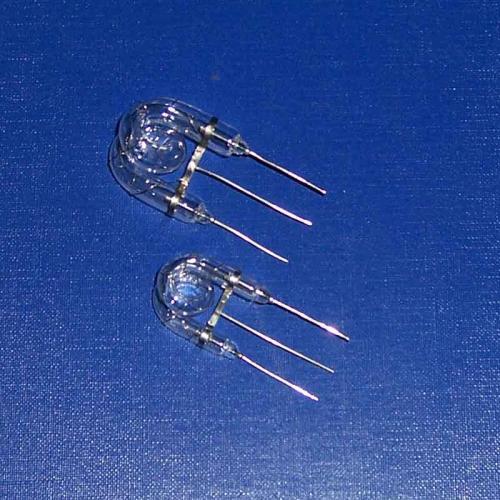
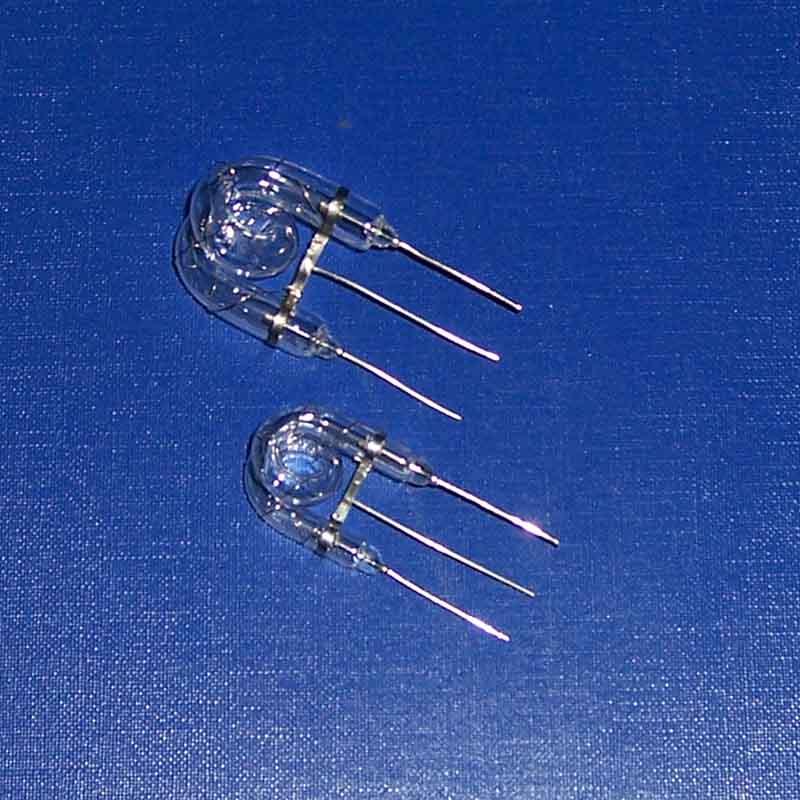
SOWIN GXEC warning light xenon flash tube review center is built for warning beacon flash tube, emergency vehicle strobe tube, xenon warning light replacement, vehicle beacon flash lamp, and industrial warning beacon tube programs where the real requirement is not simply a visible flash, but repeatable warning visibility, trigger stability, optical output, service-life control, and fleet maintenance continuity.
Replacement approval must be based on geometry, trigger coupling, pulse energy, optical field, duty cycle, environmental margin, and warning-output behavior, not a first flash or appearance match.
For fleet, emergency, industrial, and legacy warning programs across high heat, dust exposure, humidity, vibration, cold-start regions, and repeated service cycles, SOWIN supports flash tube review routes with field-risk control and repeatable service logic. Serious approval should be judged by trigger reliability, reflector fit, optical output, service-life behavior, and warning visibility before scale procurement.
Multiple tube geometries and material routes can be reviewed for warning beacons, emergency vehicle light bars, industrial safety lights, fleet service, legacy repair benches, and tender-driven spare-part programs. Optional German-imported QUARTZ or SCHOTT glass routes can be reviewed when stronger thermal-load tolerance and reduced blackening risk are needed.
The goal is to help OEMs, integrators, repair teams, distributors, and procurement officers choose a warning light flash route by field visibility, continuity control, and repeatable service performance - not by appearance alone.
SOWIN GXEC warning light xenon flash tube mother route organizes beacon, emergency vehicle, fleet service, industrial warning, and legacy repair reviews into one approval path. It helps buyers judge geometry, trigger coupling, pulse energy, optical field, duty cycle, environment, warning-output behavior, and service-life risk before sample approval or scale procurement.
| Target | Engineering Meaning |
|---|---|
| Warning Visibility | Protects field recognition, fleet safety signaling, and visual confidence under real service conditions. |
| Trigger Stability | Reduces misfire, delayed ignition, and unstable flash timing in beacon or light-bar modules. |
| Optical Field Control | Keeps reflector, lens, color filter, flash center, and visibility pattern working as one system. |
| Service-Life Control | Connects duty cycle, pulse energy, thermal exposure, blackening behavior, and maintenance rhythm. |
| Supply Continuity | Supports legacy repair, OEM supply, distributor service, and tender-safe procurement review. |
| Review Use | Why It Matters |
|---|---|
| Warning Light Review | Supports geometry, trigger route, optical field, flash energy, and service-life discussion before sample approval. |
| Tender and Procurement Review | Gives engineering, procurement, consultant, distributor, and fleet service teams a document path for neutral review. |
| Legacy Supplier Continuity | Supports Heimann / Excelitas / PerkinElmer-era search context without creating affiliation claims. |
| Environmental Validation | Supports cold-start, high heat, dust exposure, humidity, vibration, and duty-cycle discussion for warning light programs. |
| Parameter | Xenon Flash Tube | LED / Semiconductor / Alternative Route |
|---|---|---|
| Peak Visibility | High peak flash output at the warning event. | Driver, thermal, and optical limits may reduce peak signal intensity. |
| Trigger Behavior | Can be matched to capacitor discharge and beacon flash timing. | Requires driver tuning and thermal management. |
| Legacy Fit Logic | Can preserve many existing reflector, trigger, and module structures when verified. | May require optical, driver, and thermal redesign. |
| Replacement Risk | Main risks are geometry, trigger coupling, pulse energy, optical field, and duty-window mismatch. | Main risks are driver tuning, optical redesign, heat margin, and approval retesting. |
| Validation Path | Engineering Meaning |
|---|---|
| Strict endurance program | Continuous endurance verification of 1100+ hours per cycle, focused on ignition stability, output behavior, and controlled aging. |
| Risk-control matching | Verified by geometry, trigger route, pulse energy, optical field, duty cycle, environment, and CORE level to reduce hidden misfire, weak visibility, and early failure. |
| Scaling path | Engineering sample, pilot run, trial production, and field use expose hidden failure modes before fleet or distributor rollout. |
| Route | Search Coverage |
|---|---|
| Warning Light Mother Route | warning light xenon flash tube / warning beacon flash tube / emergency vehicle strobe tube / xenon warning light replacement / vehicle beacon flash lamp / industrial warning beacon tube |
| Vehicle and Fleet Service Route | emergency vehicle beacon tube / fleet warning light replacement / light bar flash tube / service-life warning tube / amber beacon strobe lamp |
| Industrial Safety Route | factory warning beacon flash / machine safety warning light tube / dust exposure beacon tube / high-duty warning strobe / plant safety flash replacement |
| System-Class Brand Orientation | Whelen-class, Federal Signal-class, Feniex-style, SoundOff Signal-style, Code 3-style, ECCO-class, TOMAR-style, SHO-ME / Able 2-style, Truck-Lite / Signal-Stat-style, Star Safety Technologies-style, Heimann-era, Excelitas-era, and PerkinElmer-era service context for warning light and beacon repair |
| Tender / OEM / Global Repair Context | OEM warning beacon tube / tender-safe warning light flash / private-label beacon supply / distributor repair route / global warning light spare parts |
| Item | Buyer Input | Why It Matters |
|---|---|---|
| 1) Tube photos | Front, side, electrode, ruler photo | Confirms geometry and visible risk |
| 2) Trigger / wiring photo | External / internal / wire / unknown | Reduces misfire and delayed ignition risk |
| 3) Application route | Warning beacon / emergency vehicle / light bar / industrial warning light / fleet service / legacy repair / tender procurement | Defines visibility, duty, and service path |
| 4) Environment | Cold / heat / vibration / dust / water exposure / fleet duty | Determines environmental margin |
| 5) Pulse energy | J rating or capacitor + voltage if known | Prevents overstress and output drift |
| Review Item | Why It Matters |
|---|---|
| Arc Length and Light Center | Protects reflector focus, warning intensity, visibility pattern, and real field output confidence. |
| Glass OD and Tube Shape | Prevents cavity stress, poor seating, overheating, and physical interference in beacon or light-bar modules. |
| Trigger Coupling | Controls misfire, delayed ignition, unstable flash timing, and service complaints. |
| Pulse Energy and Repetition Rate | Defines the working duty window and reduces output drift or early blackening risk. |
| Optical Field and Warning Behavior | Connects flash output to field visibility, lens behavior, reflector match, and fleet service confidence. |
| Failure Symptom Review | Connects misfire, weak output, blackening, delayed ignition, and premature aging to likely technical risks. |
| Sample Approval Discipline | Prevents approval based only on a first flash, appearance match, or unsupported cross-reference. |
| Document Support | Uses Spec PDF and RoHS files for procurement, import, consultant, and tender review. |
| CORE Level | Recommended Use |
|---|---|
| CORE A | Recommended for high-duty warning beacons, emergency vehicles, fleet service, industrial safety alerts, tender programs, and legacy repair where visibility failure, complaint escalation, or service downtime is expensive. |
| CORE B | Recommended for standard warning light replacement after photos, dimensions, trigger route, optical field, environment, and duty cycle are checked. |
| CORE C | Use only for lower-frequency repair or sample screening where the buyer accepts a narrower operating window. |
| Question | Answer |
|---|---|
| What should be sent for warning light flash tube review? | Send clear tube photos, beacon or light-bar cavity photos, arc length, glass OD, trigger wiring, pulse energy if known, use frequency, application route, environment, and failure symptoms. These details allow geometry, trigger route, optical field, and duty window to be reviewed instead of relying on appearance alone. |
| Why can a similar-looking warning tube fail? | A similar shape does not guarantee the same electrode design, glass route, trigger coupling, gas fill, pulse-energy window, optical field, or thermal behavior. Many weak replacements flash during a quick test but drift, blacken, misfire, or reduce field visibility after repeated service cycles. |
| Does warning visibility matter more than first-flash success? | Yes. A tube can fire but still fail the real warning task if output, trigger timing, reflector focus, lens behavior, or duty cycle is unstable. Warning visibility is the operating test that connects flash behavior to fleet safety and service confidence. |
| Can this route support beacons, light bars, and industrial warning lights? | Yes. The review logic supports warning beacons, emergency light bars, fleet service, industrial alerts, and legacy repair. This P31 mother route holds the broad warning-light authority, while each child page can carry a narrower search focus without competing against the central category page. |
| How should third-party warning light brands be mentioned? | Use brand-neutral wording such as Whelen-class, Federal Signal-class, ECCO-class, Code 3-style, or TOMAR-style service context. Do not claim affiliation, authorization, original status, official compatibility, or universal fit. |
| Where should PDF and RoHS documents be used? | Use the specification PDF for engineering review and the RoHS document for procurement, import, or hazardous-substance screening. Final replacement approval should still follow physical sample review and project-specific testing. |
| What makes this page different from a catalog page? | It focuses on replacement risk control rather than catalog listing. Geometry, trigger coupling, duty cycle, output behavior, failure symptoms, optical field, material route, search context, and document support are organized into one approval path so the buyer can avoid a wrong warning-light replacement before it becomes a field complaint. |
| When should a buyer ask for CORE A? | CORE A should be considered when the system is used frequently, warning visibility matters, fleet downtime is costly, tender review is strict, repair risk is high, or a service operator needs stronger protection against repeated complaints. |

Address : F4,Bldg A, Hanzhong Industrial Park, No.67, North of Xinsha Ave, Xin Tang, Zeng Cheng, Guang Zhou, China
Tel : +86 20 8278 0427
Email : info@stsystemplc.com
Email : morrison426@163.com