other

Smart City Lighting Energy & Carbon Management

SOWIN provides an engineering-grade Street Lighting Energy Management for programs requiring defensible energy, carbon and lifecycle comparisons. The page connects approved energy baseline and measurement boundary, schedules, dimming, operating hours and field states and tariff, carbon, maintenance and replacement assumptions.

The Smart Lighting Energy Management is organized around Street Lighting Energy Saving, page-specific control layers, local authority, actual returned states and owner-readable evidence for measured savings separated from assumptions.

Topology, thresholds, timing, interfaces, field conditions and acceptance values are configured according to local regulations, owner requirements and the selected project. The Lighting Energy Monitoring scope is confirmed through survey, pilot, FAT, SAT and handover evidence.

STSYSTEMPLC LIGHTING ENGINEERING

Smart Lighting Energy Management, Carbon Evidence and Lifecycle Cost

Build the project around Smart Lighting Energy Management, ensuring clear authority, Local Continuity, real-time returned states, and Owner-Readable Evidence.

Smart Lighting Energy ManagementLighting Energy MonitoringSmart Lighting ROIStreet Lighting Lifecycle Cost

FIELD AND OPERATING EVIDENCE

Which Engineering Views Support Technical Evaluation?

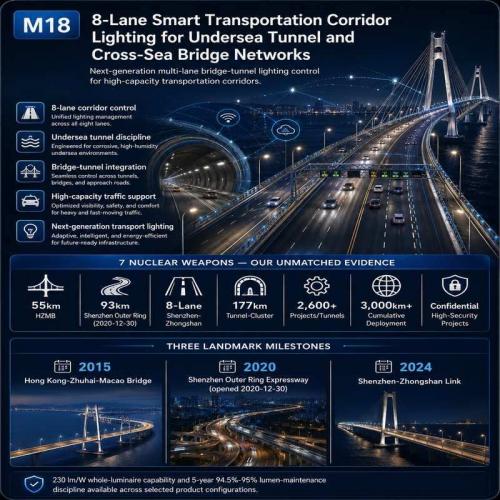
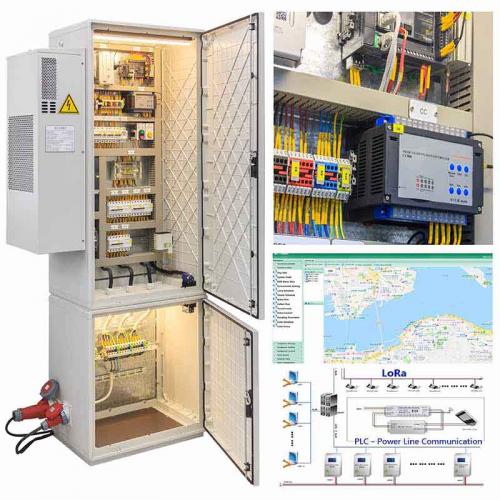
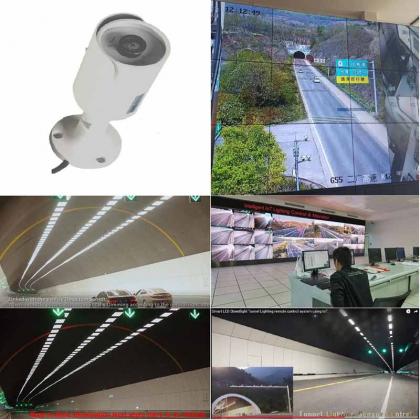
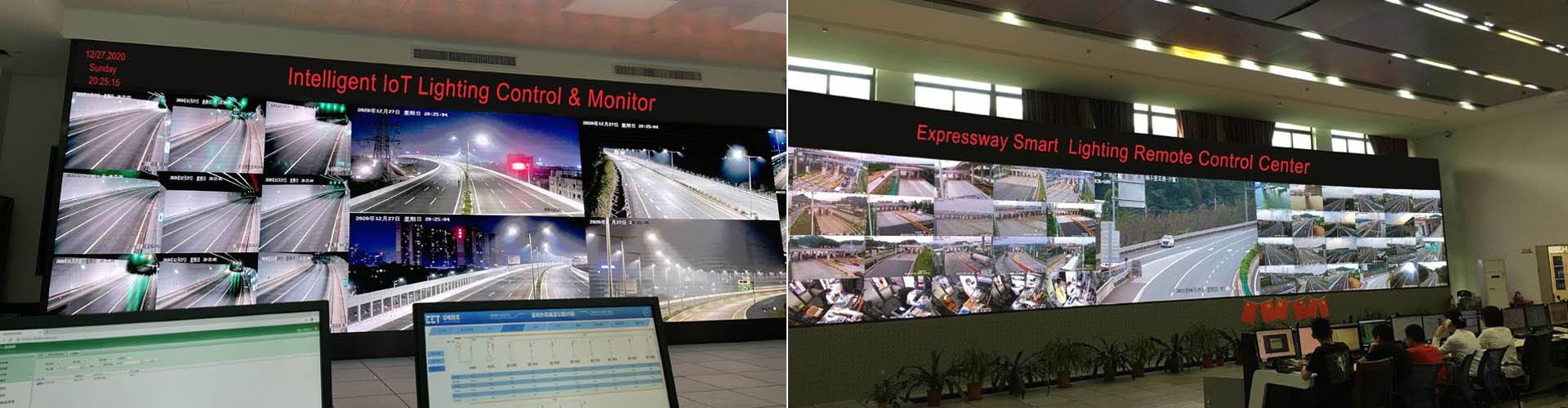
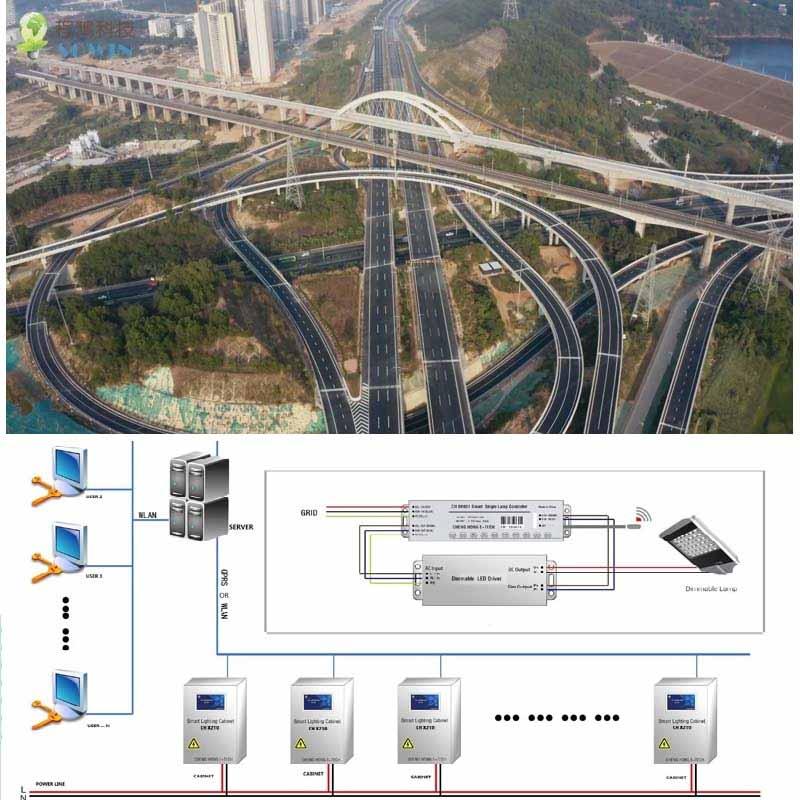
93 km Smart Highway and Tunnel Lighting Deployment

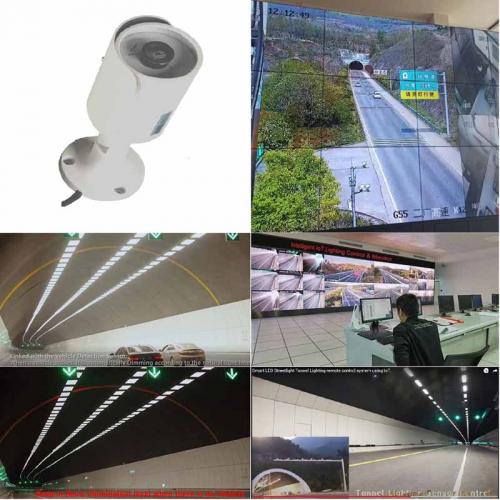
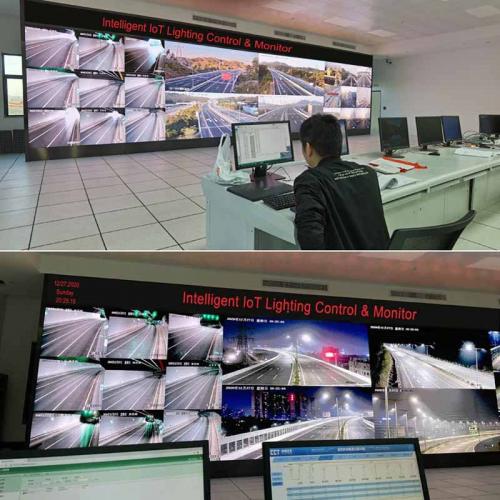
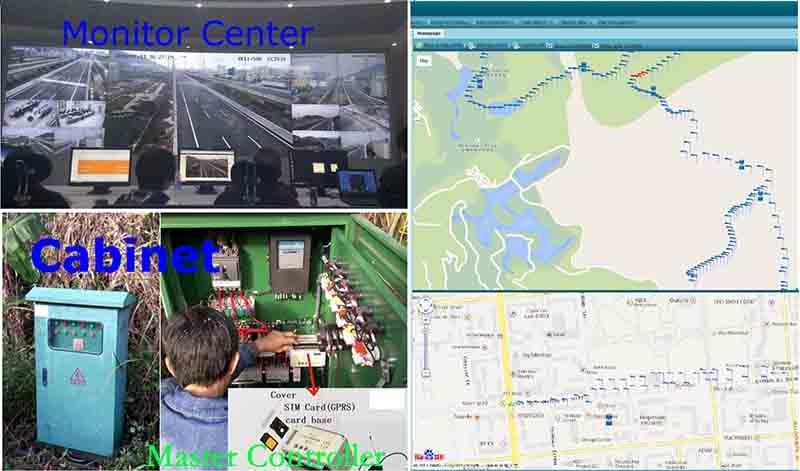
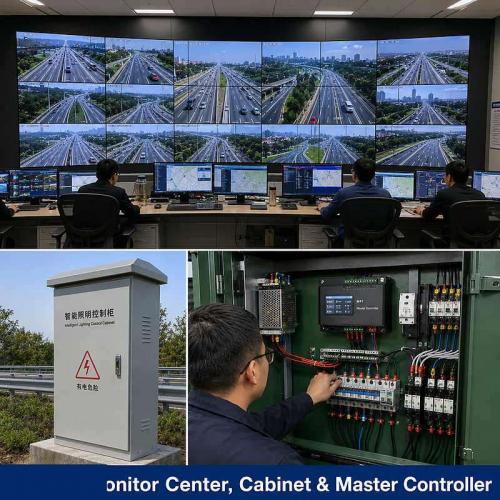
Review corridor zoning, intelligent cabinets, communication routes and field operating context. Field video is contextual evidence and does not replace current-project FAT/SAT.

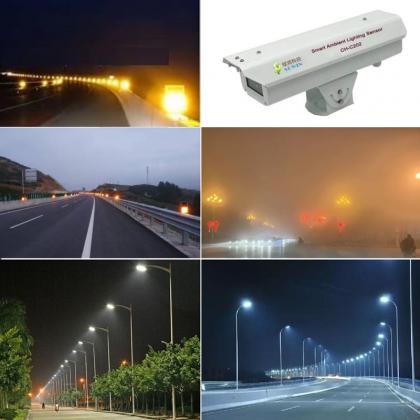
Adaptive CCT under Rain, Fog and Snow Conditions

Review project-configured CCT scenes, measured conditions, local authority and controlled transitions. Field video is contextual evidence and does not replace current-project FAT/SAT.

Evidence boundary: field videos demonstrate historical capability and operating context. Current-project approval still requires the selected topology, equipment, configuration, limits and witnessed FAT/SAT records.

DIRECT ANSWER

What Is Street Lighting Energy Management?

Street lighting energy management combines an approved asset baseline, actual operating hours, dimming states, meter data, tariff and maintenance records to explain energy and lifecycle results. Savings are accepted only when required lighting service is verified, faults are excluded, assumptions remain visible and measured results are separated from modeled financial or carbon estimates.

Procurement decision: verify this definition against the offered topology, configured limits, actual returned states, abnormal cases and owner-held recovery evidence before wider deployment.

ENGINEERING SUMMARY

What Should Owners Understand before Technical Approval?

The analysis begins by freezing the inventory, measurement boundary, operating period and required lighting service. Meter data is reconciled with schedules, dimming levels, circuit and lamp states so low consumption caused by a fault is not reported as a saving. Measured energy should be separated from tariff, carbon, maintenance and replacement assumptions. Adaptive or scheduled control changes need timestamps and a comparable operating context. Lifecycle analysis should state equipment, network, software, access, spare, service and replacement costs and identify exclusions. Changes in tariff, carbon factor or financial assumptions require owner approval and recalculation. Acceptance should preserve the raw data, calculation inputs, field-lighting results and an owner-readable explanation of measured versus modeled outcomes.

AI-ASSISTED APPLICATIONS AND HUMAN CONTROL BOUNDARIES

Where Can AI Assist without Replacing Approved Control Logic?

Energy Anomaly Detection

AI can flag districts, circuits or operating periods whose consumption does not match accepted schedules and field states.

Savings Attribution Support

AI can help separate equipment, schedule, dimming, fault-repair and tariff effects while showing assumptions.

Maintenance-Energy Correlation

AI can identify assets whose abnormal energy pattern aligns with repeated faults or degradation.

Lifecycle Scenario Analysis

AI can compare transparent maintenance, replacement and tariff scenarios to support owner decisions.

Control boundary: AI-generated estimates are decision support, not guaranteed savings. Required lighting, metered evidence, baseline approval, assumptions and owner validation remain mandatory.

PROJECT FIT, INTEGRATION AND LONG-TERM RESPONSIBILITY

Where Does This Solution Fit?

Who Should Use It?

Cities, highways, tunnels, industrial sites and hybrid-energy project owners.

Which Projects Fit?

Programs requiring defensible energy, carbon and lifecycle comparisons.

When Is It Not the Right Scope?

Projects without stable inventory, operating hours, meters and lighting-service criteria.

How Does It Integrate?

Define approved energy baseline and measurement boundary, schedules, dimming, operating hours and field states, tariff, carbon, maintenance and replacement assumptions, authority, timeout, fallback and third-party responsibilities before commissioning.

How Can Existing Assets or Systems Coexist?

Use a representative pilot, documented compatibility limits, parallel operation where needed and a tested rollback route for street lighting energy management and lifecycle analysis.

How Is Long-Term Operation Protected?

Keep owner access to configurations, histories, credentials, backups, compatible spares, maintenance records and restoration procedures for street lighting energy management and lifecycle analysis.

Project boundary: values, interfaces and automatic actions are configured according to local regulations, owner requirements and the written project specification. No site-independent result or universal protocol package is implied.

PAGE-SPECIFIC CONTROL AND EVIDENCE CHAIN

How Is the Architecture Organized?

1. Baseline and Measurement Boundary

Captures and qualifies the project inputs related to baseline and measurement boundary before a control or maintenance action is accepted.

2. Schedules and Dimming Actions

Applies approved rules, limits and responsibility boundaries for schedules and dimming actions within the street lighting energy management and lifecycle analysis workflow.

3. Energy and Operating Records

Executes the selected project function through energy and operating records while retaining local authority and a defined abnormal-state response.

4. Asset and Maintenance Condition

Separates requested actions, actual states and unresolved exceptions for asset and maintenance condition so the owner can see what really happened.

5. Tariff, Carbon and Lifecycle Model

Preserves configuration, history, access and recovery evidence for tariff, carbon and lifecycle model throughout operation and supplier transition.

Authority rule: every automatic or remote action needs a declared source, valid range, permitted output, timeout, fallback, actual field-state check, exception path and manual authority.

OPERATING SCENARIOS

Which Normal and Abnormal Scenarios Need Separate Rules?

Scenario Primary Input or Condition Required Action Acceptance Evidence
Baseline Period approved energy baseline and measurement boundary Apply the approved street lighting energy management and lifecycle analysis rule without exceeding declared limits. Representative field input, timestamp and accepted output.
Schedule Correction schedules, dimming, operating hours and field states Preserve the required operating scene and record the responsible input and result. Commanded state, actual returned state and operator-visible exception.
Adaptive Dimming tariff, carbon, maintenance and replacement assumptions Use confirmation, timeout and fallback logic before changing the field state. Normal, abnormal and recovery cases witnessed during FAT or SAT.
Fault Repair approved energy baseline and measurement boundary Keep operator authority visible and separate temporary operation from normal control. Named authority, timeout and return-to-normal behavior.
Tariff Change schedules, dimming, operating hours and field states Retain the actual returned state and any unresolved exception for owner review. Configuration, event and service records retained for handover.
Asset Replacement tariff, carbon, maintenance and replacement assumptions Restore the accepted configuration through a controlled recovery route. Rollback or restoration result accepted by the owner.

MONITORING, FEEDBACK AND OWNER VISIBILITY

Which States Must Be Visible?

Baseline and Measurement Boundary

Status, validity, configuration, timestamp and unresolved exception for baseline and measurement boundary.

Schedules and Dimming Actions

Status, validity, configuration, timestamp and unresolved exception for schedules and dimming actions.

Energy and Operating Records

Status, validity, configuration, timestamp and unresolved exception for energy and operating records.

Asset and Maintenance Condition

Status, validity, configuration, timestamp and unresolved exception for asset and maintenance condition.

Tariff, Carbon and Lifecycle Model

Status, validity, configuration, timestamp and unresolved exception for tariff, carbon and lifecycle model.

Owner and Operator Actions

Identity, command source, permitted range, manual override, closure and restored state.

State-feedback requirement: sending a command is not proof of execution. The page must preserve the requested action, actual returned state, timestamps and unresolved exception where the selected equipment supports feedback.

DEPLOYMENT AND MIGRATION ROUTES

How Can the Project Move from Design or Existing Assets to Accepted Operation?

Route Engineering Approach Required Proof
New Project Design street lighting energy management and lifecycle analysis, field assets and acceptance evidence together. Design basis, selected configuration, FAT and complete site SAT.
Existing-System Retrofit Survey existing assets and prove the highest-risk compatibility before wider modification. Asset survey, representative pilot, rollback and restored operation.
Phased or Multi-Zone Deployment Divide rollout into controlled zones with local continuity, exception closure and rollback. Zone map, stage approval, failure isolation and handover evidence.
Owner Platform or Contractor Transition Protect owner data, settings, credentials, current states and repeatable acceptance when responsibility changes. Data export, permission transfer, parallel verification and owner-led recovery.

FAILURE STATES AND CONTROLLED RECOVERY

Which Abnormal Conditions Must Be Witnessed?

Condition Required Behavior Witness Method
Baseline Drift Reject unsafe or implausible behavior and move to the approved conservative state for street lighting energy management and lifecycle analysis. Create a representative baseline drift case and witness the complete field response.
Meter Gap Keep unaffected zones or functions operating and report the isolated condition. Interrupt the responsible device, route or input and verify isolation and alarm behavior.
Unsafe Energy Reduction Separate missing feedback from a successful command and retain the unresolved mismatch. Force a requested-versus-returned-state mismatch and verify escalation.
Tariff Change Use local schedules, manual authority or fallback rules within the declared failure domain. Remove the central or external dependency and verify local continuity.
Fault-Induced Low Consumption Protect owner data, configuration and device identity before replacement or restart. Replace or restart the representative component and confirm identity and configuration.
Model Assumption Change Restore service only after configuration, timing and actual field states are reconciled. Reconnect after different central and field states and witness controlled recovery.

SURVEY, PILOT, FAT, SAT AND HANDOVER

How Should the Project Move to Accepted Operation?

1. Inputs

Define topology, authority, inputs, outputs, limits, fallback, interfaces and required evidence for street lighting energy management and lifecycle analysis.

2. Survey

Record existing assets, field conditions, communication, environmental limits and owner dependencies.

3. Pilot

Use a representative section to test the functions carrying the highest project uncertainty and confirm rollback.

4. FAT

Verify offered hardware, software, configuration, simulated inputs, failures, records, backups and export.

5. SAT

Align field inputs, commands, actual states, alarms, local operation, maintenance workflow and recovery.

6. Handover

Deliver owner credentials, settings, histories, permissions, compatible spares and tested restoration procedures.

Scale authorization: proceed beyond the representative pilot only after exceptions are closed or formally accepted and the owner approves the FAT/SAT evidence format.

EVIDENCE INDEX

Which Records Should Support Procurement and Acceptance?

Topology and Responsibility

Approved assets, zones, interfaces, ownership and control boundaries.

Selected Equipment and Configuration

Models, versions, ratings, settings and project-specific options.

Input and Calibration Evidence

Source, location, range, validity, timestamp and fallback treatment.

Command and Returned-State Records

Requested action, actual field state, mismatch and unresolved exception.

Failure and Recovery Cases

Normal, abnormal, offline, restart, rollback and reconciliation results.

Owner Handover Package

Credentials, backups, settings, reports, spares and restoration procedures.

Maintenance and Change History

Faults, work orders, parts, configuration changes and restored state.

Long-Term Responsibility

Warranty, software, network, data, service and supplier-transition duties.

TECHNICAL VALUES, CONDITIONS AND RESPONSIBILITY BOUNDARIES

What Must Be Fixed before Approval?

Engineering Item Required Boundary or Evidence
Asset inventory Define the accepted scope, source, range and responsible party for asset inventory.
Baseline period Confirm measurement, configuration and field-verification requirements for baseline period.
Metering location and accuracy Record normal, abnormal and fallback behavior for metering location and accuracy.
Actual operating hours Separate owner, operator, contractor and supplier responsibility for actual operating hours.
Required lighting service Link the selected value or rule to the actual offered equipment for required lighting service.
Tariff source Specify timeout, manual authority and recovery behavior for tariff source.
Carbon-factor source Retain owner-readable configuration and change history for carbon-factor source.
Maintenance assumptions Establish replacement, compatibility or long-term support requirements for maintenance assumptions.
Lifecycle period and exclusions Describe the FAT/SAT witness method and acceptance authority for lifecycle period and exclusions.
Measured versus modeled acceptance Close exceptions and preserve the handover evidence for measured versus modeled acceptance.

OWNER, EPC AND PROCUREMENT DECISIONS

What Must Be Confirmed before Tender Award?

What Baseline Is Approved?

Freeze the inventory, operating hours, metering boundary and lighting service used for comparison.

Which Savings Are Measured and Which Are Modeled?

Label measured energy separately from tariff, carbon, maintenance and lifecycle assumptions.

How Is Lighting Quality Protected?

Accept energy results only when required field lighting and operating scenes are also verified.

Which Lifecycle Costs Are Included?

List equipment, energy, network, software, maintenance, access, spares and replacement assumptions.

How Are Faults Prevented from Appearing as Savings?

Reconcile energy with lamp, circuit and service states before accepting a reduction.

Who May Change Tariff, Carbon and Financial Assumptions?

Assign owner approval and retain every calculation input for later recalculation.

Start with the Project Topology and Acceptance Boundary

Send the asset layout, existing equipment, operating goals, inputs, interfaces, communication conditions, failure requirements and required FAT/SAT evidence.
Leave A Message
If you are interested in our products and want to know more details,please leave a message here,we will get back to you as soon as possible.
Related Products
CH PG002
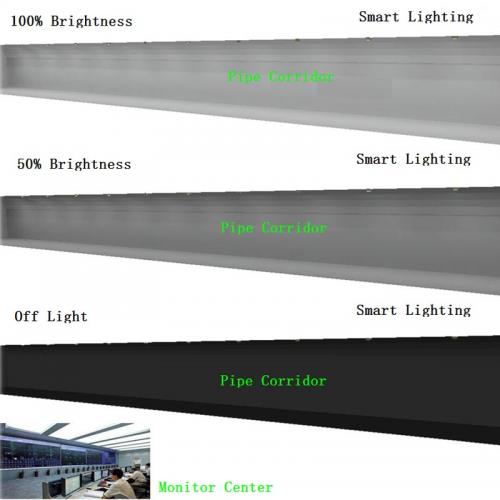
The intelligent lighting control system of the municipal pipe gallery is independently developed by our company. Aiming at the lighting environment of the urban underground pipe gallery, the lighting of these areas can be controlled by manual temporary intervention or automatic operation through the server, workstations at all levels, on-site touch control screens or handheld devices. Status, data collection and monitoring of the equipment in the area, and at the same time realize the personnel positioning, SOS alarm, abnormal temperature change alarm and harmful gas abnormal alarm.
G01
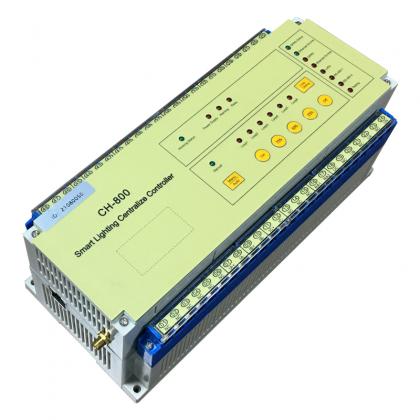
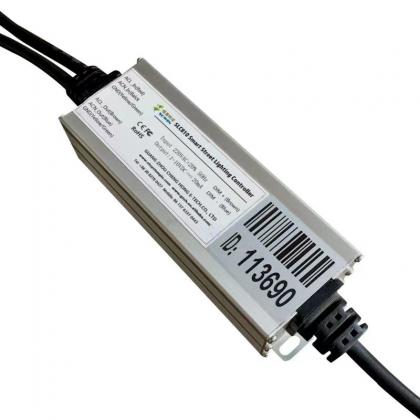
.sowin-summary{font-family:Arial,Helvetica,sans-serif;color:#4d5868;line-height:1.78} .sowin-summary p{margin:0 0 12px} .sowin-summary .core-key{font-size:18px;font-weight:900;color:#123c73;letter-spacing:.005em} @media(max-width:640px){.sowin-summary .core-key{font-size:17px}} SOWIN provides a human-centric adaptive tunnel lighting system for tunnel entrances, threshold zones, transition zones, interiors and exits. The control chain can connect portal luminance sensors, traffic inputs, CH-800 gateways, intelligent lighting cabinets, circuit controllers and SLC810/SLC910 lamp-level controllers. Measured exterior luminance, traffic conditions and approved zone curves allow the system to coordinate output instead of relying on one fixed entrance scene. Project-configured CCT, ramp rates, local fallback and manual authority help preserve visual continuity when weather, traffic or communication conditions change. Final luminance levels, zone lengths, sensor locations, dimming curves and CCT settings depend on tunnel geometry, design speed, pavement, portal orientation, luminaire optics, local standards and witnessed site acceptance.
G01
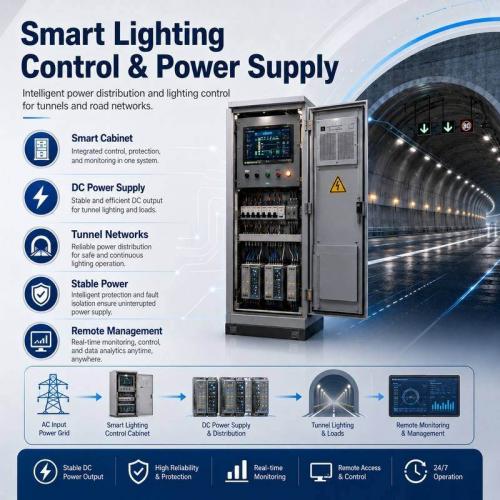
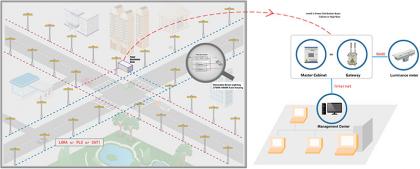
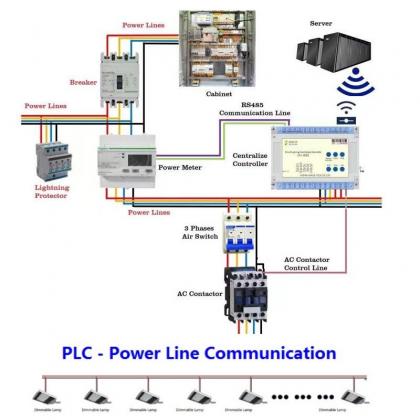
/* 核心修正:增加正文整体行高,提升阅读美感 */ .gx-p238-top-intro { width: 100% !important; margin: 0 !important; padding: 0 !important; box-sizing: border-box !important; font-family: Arial, Helvetica, sans-serif !important; color: #0f172a !important; font-size: 14.5px !important; /* 略微增大字号,更适合专业文档 */ line-height: 1.8 !important; /* 关键点:拉大行间距,解决拥挤感 */ text-align: left !important; } /* 标题与正文的距离控制 */ .gx-p238-top-intro p { margin: 0 0 20px 0 !important; /* 关键点:增大段落间距,呼吸感更强 */ padding: 0 !important; } /* 工程引导框样式优化,确保贴底对齐 */ .gx-p238-entry-check { display: block !important; width: 100% !important; margin: 30px 0 0 0 !important; /* 关键点:拉开与上方正文的距离,实现物理高度对齐 */ padding: 15px 18px !important; border: 1px solid #91c6eb !important; border-left: 5px solid #1678b9 !important; border-radius: 10px !important; background: linear-gradient(135deg, #f8fcff 0%, #eaf5ff 100%) !important; box-sizing: border-box !important; } /* 其余原有样式保持不变,确保功能一致性 */ .gx-p238-entry-title { display: block !important; margin: 0 0 8px 0 !important; color: #075a9c !important; font-size: 14px !important; font-weight: 900 !important; text-transform: uppercase !important; } STSYSTEMPLC Smart Roadway & Street Lighting Control System establishes a robust architecture connecting the central management platform, CH-800 edge gateways, intelligent lighting cabinets, power circuits, individual luminaires, and real-time traffic or luminance sensors for seamless multi-lane governance. Engineered for complex municipal networks, the platform supports remote monitoring, scheduled and adaptive dimming, automated fault alarms, comprehensive energy metering, offline local operation, and failsafe recovery across multi-kilometer expressways, underground tunnels, and marine bridge corridors. By integrating hybrid communication topologies with high-precision sensor loops, the system ensures zero-latency command distribution, strict load balancing, and compliance with rigorous highway safety lighting standards under extreme operational environments. Engineering Entry Check ...
G01
.sowin-summary{font-family:Arial,Helvetica,sans-serif;color:#4d5868;line-height:1.78} .sowin-summary p{margin:0 0 12px} .sowin-summary .core-key{font-size:18px;font-weight:900;color:#123c73;letter-spacing:.005em} @media(max-width:640px){.sowin-summary .core-key{font-size:17px}} SOWIN provides a human-centric adaptive tunnel lighting system for tunnel entrances, threshold zones, transition zones, interiors and exits. The control chain can connect portal luminance sensors, traffic inputs, CH-800 gateways, intelligent lighting cabinets, circuit controllers and SLC810/SLC910 lamp-level controllers. Measured exterior luminance, traffic conditions and approved zone curves allow the system to coordinate output instead of relying on one fixed entrance scene. Project-configured CCT, ramp rates, local fallback and manual authority help preserve visual continuity when weather, traffic or communication conditions change. Final luminance levels, zone lengths, sensor locations, dimming curves and CCT settings depend on tunnel geometry, design speed, pavement, portal orientation, luminaire optics, local standards and witnessed site acceptance.
G03
/* P238-derived engineering entry check: desktop summary equals adjacent 800×800 product image */ .gxx-entry-summary{box-sizing:border-box!important;display:flex!important;flex-direction:column!important;width:100%!important;height:auto!important;min-height:0!important;aspect-ratio:3 / 2!important;margin:0!important;padding:0!important;overflow:hidden!important;color:#173f5e!important;font-family:Arial,"Helvetica Neue",Helvetica,sans-serif!important} .gxx-entry-summary .gxx-entry-copy{min-height:0!important;overflow:visible!important} .gxx-entry-summary .gxx-entry-copy p{margin:0 0 8px!important;color:#28495f!important;font-size:clamp(12.4px,1.07vw,14px)!important;font-weight:400!important;line-height:1.43!important} .gxx-entry-summary .gxx-entry-copy p:last-child{margin-bottom:8px!important} .gxx-entry-summary .gxx-entry-copy .g01-top-key,.gxx-entry-summary .gxx-entry-copy .sf-top-key{font-size:inherit!important;font-weight:900!important;color:#173f5e!important;line-height:inherit!important} .gxx-entry-check{box-sizing:border-box!important;margin-top:auto!important;padding:10px 13px 11px!important;border:1px solid #86bfe9!important;border-left:4px solid #1688cf!important;border-radius:10px!important;background:linear-gradient(135deg,#ffffff 0%,#eef8ff 100%)!important;box-shadow:inset 0 0 0 1px rgba(255,255,255,.78)!important;color:#174b74!important} .gxx-entry-title{margin:0 0 3px!important;color:#0e598b!important;font-size:13px!important;font-weight:900!important;line-height:1.05!important;letter-spacing:1.15px!important;text-transform:uppercase!important} .gxx-entry-intro{margin:0 0 7px!important;color:#174b74!important;font-size:10.8px!important;font-weight:700!important;line-height:1.28!important} .gxx-entry-grid{display:grid!important;grid-template-columns:repeat(2,minmax(0,1fr))!important;column-gap:19px!important;row-gap:5px!important;margin:0!important;padding:0!important} .gxx-entry-item{margin:0!important;color:#174b74!important;font-size:10.5px!important;font-weight:400!important;line-height:1.31!important} .gxx-entry-item strong{color:#0f527f!important;font-weight:900!important} @media(min-width:761px) and (max-width:991px){.gxx-entry-summary{aspect-ratio:21 / 20!important}} @media(max-width:760px){.gxx-entry-summary{aspect-ratio:auto!important;overflow:visible!important}.gxx-entry-summary .gxx-entry-copy p{font-size:14px!important;line-height:1.52!important;margin-bottom:10px!important}.gxx-entry-check{margin-top:12px!important}.gxx-entry-grid{grid-template-columns:1fr!important;row-gap:6px!important}.gxx-entry-item{font-size:11.3px!important;line-height:1.38!important}} /* Dynamic image-bottom alignment: title wrapping never pushes the entry check below the product image. */ .gxx-entry-summary.gxx-entry-tight .gxx-entry-copy p{font-size:12px!important;line-height:1.35!important;margin-bottom:5px!important} .gxx-entry-summary.gxx-entry-tight .gxx-entry-check{padding:8px 10px 9px!important} .gxx-entry-summary.gxx-entry-tight .gxx-ent...
G04
/* P238-derived engineering entry check: desktop summary equals adjacent 800×800 product image */ .gxx-entry-summary{box-sizing:border-box!important;display:flex!important;flex-direction:column!important;width:100%!important;height:auto!important;min-height:0!important;aspect-ratio:3 / 2!important;margin:0!important;padding:0!important;overflow:hidden!important;color:#173f5e!important;font-family:Arial,"Helvetica Neue",Helvetica,sans-serif!important} .gxx-entry-summary .gxx-entry-copy{min-height:0!important;overflow:visible!important} .gxx-entry-summary .gxx-entry-copy p{margin:0 0 8px!important;color:#28495f!important;font-size:clamp(12.4px,1.07vw,14px)!important;font-weight:400!important;line-height:1.43!important} .gxx-entry-summary .gxx-entry-copy p:last-child{margin-bottom:8px!important} .gxx-entry-summary .gxx-entry-copy .g01-top-key,.gxx-entry-summary .gxx-entry-copy .sf-top-key{font-size:inherit!important;font-weight:900!important;color:#173f5e!important;line-height:inherit!important} .gxx-entry-check{box-sizing:border-box!important;margin-top:auto!important;padding:10px 13px 11px!important;border:1px solid #86bfe9!important;border-left:4px solid #1688cf!important;border-radius:10px!important;background:linear-gradient(135deg,#ffffff 0%,#eef8ff 100%)!important;box-shadow:inset 0 0 0 1px rgba(255,255,255,.78)!important;color:#174b74!important} .gxx-entry-title{margin:0 0 3px!important;color:#0e598b!important;font-size:13px!important;font-weight:900!important;line-height:1.05!important;letter-spacing:1.15px!important;text-transform:uppercase!important} .gxx-entry-intro{margin:0 0 7px!important;color:#174b74!important;font-size:10.8px!important;font-weight:700!important;line-height:1.28!important} .gxx-entry-grid{display:grid!important;grid-template-columns:repeat(2,minmax(0,1fr))!important;column-gap:19px!important;row-gap:5px!important;margin:0!important;padding:0!important} .gxx-entry-item{margin:0!important;color:#174b74!important;font-size:10.5px!important;font-weight:400!important;line-height:1.31!important} .gxx-entry-item strong{color:#0f527f!important;font-weight:900!important} @media(min-width:761px) and (max-width:991px){.gxx-entry-summary{aspect-ratio:21 / 20!important}} @media(max-width:760px){.gxx-entry-summary{aspect-ratio:auto!important;overflow:visible!important}.gxx-entry-summary .gxx-entry-copy p{font-size:14px!important;line-height:1.52!important;margin-bottom:10px!important}.gxx-entry-check{margin-top:12px!important}.gxx-entry-grid{grid-template-columns:1fr!important;row-gap:6px!important}.gxx-entry-item{font-size:11.3px!important;line-height:1.38!important}} /* Dynamic image-bottom alignment: title wrapping never pushes the entry check below the product image. */ .gxx-entry-summary.gxx-entry-tight .gxx-entry-copy p{font-size:12px!important;line-height:1.35!important;margin-bottom:5px!important} .gxx-entry-summary.gxx-entry-tight .gxx-entry-check{padding:8px 10px 9px!important} .gxx-entry-summary.gxx-entry-tight .gxx-ent...
G05
/* P238-derived engineering entry check: desktop summary equals adjacent 800×800 product image */ .gxx-entry-summary{box-sizing:border-box!important;display:flex!important;flex-direction:column!important;width:100%!important;height:auto!important;min-height:0!important;aspect-ratio:3 / 2!important;margin:0!important;padding:0!important;overflow:hidden!important;color:#173f5e!important;font-family:Arial,"Helvetica Neue",Helvetica,sans-serif!important} .gxx-entry-summary .gxx-entry-copy{min-height:0!important;overflow:visible!important} .gxx-entry-summary .gxx-entry-copy p{margin:0 0 8px!important;color:#28495f!important;font-size:clamp(12.4px,1.07vw,14px)!important;font-weight:400!important;line-height:1.43!important} .gxx-entry-summary .gxx-entry-copy p:last-child{margin-bottom:8px!important} .gxx-entry-summary .gxx-entry-copy .g01-top-key,.gxx-entry-summary .gxx-entry-copy .sf-top-key{font-size:inherit!important;font-weight:900!important;color:#173f5e!important;line-height:inherit!important} .gxx-entry-check{box-sizing:border-box!important;margin-top:auto!important;padding:10px 13px 11px!important;border:1px solid #86bfe9!important;border-left:4px solid #1688cf!important;border-radius:10px!important;background:linear-gradient(135deg,#ffffff 0%,#eef8ff 100%)!important;box-shadow:inset 0 0 0 1px rgba(255,255,255,.78)!important;color:#174b74!important} .gxx-entry-title{margin:0 0 3px!important;color:#0e598b!important;font-size:13px!important;font-weight:900!important;line-height:1.05!important;letter-spacing:1.15px!important;text-transform:uppercase!important} .gxx-entry-intro{margin:0 0 7px!important;color:#174b74!important;font-size:10.8px!important;font-weight:700!important;line-height:1.28!important} .gxx-entry-grid{display:grid!important;grid-template-columns:repeat(2,minmax(0,1fr))!important;column-gap:19px!important;row-gap:5px!important;margin:0!important;padding:0!important} .gxx-entry-item{margin:0!important;color:#174b74!important;font-size:10.5px!important;font-weight:400!important;line-height:1.31!important} .gxx-entry-item strong{color:#0f527f!important;font-weight:900!important} @media(min-width:761px) and (max-width:991px){.gxx-entry-summary{aspect-ratio:21 / 20!important}} @media(max-width:760px){.gxx-entry-summary{aspect-ratio:auto!important;overflow:visible!important}.gxx-entry-summary .gxx-entry-copy p{font-size:14px!important;line-height:1.52!important;margin-bottom:10px!important}.gxx-entry-check{margin-top:12px!important}.gxx-entry-grid{grid-template-columns:1fr!important;row-gap:6px!important}.gxx-entry-item{font-size:11.3px!important;line-height:1.38!important}} /* Dynamic image-bottom alignment: title wrapping never pushes the entry check below the product image. */ .gxx-entry-summary.gxx-entry-tight .gxx-entry-copy p{font-size:12px!important;line-height:1.35!important;margin-bottom:5px!important} .gxx-entry-summary.gxx-entry-tight .gxx-entry-check{padding:8px 10px 9px!important} .gxx-entry-summary.gxx-entry-tight .gxx-ent...
G06
/* P238-derived engineering entry check: desktop summary equals adjacent 800×800 product image */ .gxx-entry-summary{box-sizing:border-box!important;display:flex!important;flex-direction:column!important;width:100%!important;height:auto!important;min-height:0!important;aspect-ratio:3 / 2!important;margin:0!important;padding:0!important;overflow:hidden!important;color:#173f5e!important;font-family:Arial,"Helvetica Neue",Helvetica,sans-serif!important} .gxx-entry-summary .gxx-entry-copy{min-height:0!important;overflow:visible!important} .gxx-entry-summary .gxx-entry-copy p{margin:0 0 8px!important;color:#28495f!important;font-size:clamp(12.4px,1.07vw,14px)!important;font-weight:400!important;line-height:1.43!important} .gxx-entry-summary .gxx-entry-copy p:last-child{margin-bottom:8px!important} .gxx-entry-summary .gxx-entry-copy .g01-top-key,.gxx-entry-summary .gxx-entry-copy .sf-top-key{font-size:inherit!important;font-weight:900!important;color:#173f5e!important;line-height:inherit!important} .gxx-entry-check{box-sizing:border-box!important;margin-top:auto!important;padding:10px 13px 11px!important;border:1px solid #86bfe9!important;border-left:4px solid #1688cf!important;border-radius:10px!important;background:linear-gradient(135deg,#ffffff 0%,#eef8ff 100%)!important;box-shadow:inset 0 0 0 1px rgba(255,255,255,.78)!important;color:#174b74!important} .gxx-entry-title{margin:0 0 3px!important;color:#0e598b!important;font-size:13px!important;font-weight:900!important;line-height:1.05!important;letter-spacing:1.15px!important;text-transform:uppercase!important} .gxx-entry-intro{margin:0 0 7px!important;color:#174b74!important;font-size:10.8px!important;font-weight:700!important;line-height:1.28!important} .gxx-entry-grid{display:grid!important;grid-template-columns:repeat(2,minmax(0,1fr))!important;column-gap:19px!important;row-gap:5px!important;margin:0!important;padding:0!important} .gxx-entry-item{margin:0!important;color:#174b74!important;font-size:10.5px!important;font-weight:400!important;line-height:1.31!important} .gxx-entry-item strong{color:#0f527f!important;font-weight:900!important} @media(min-width:761px) and (max-width:991px){.gxx-entry-summary{aspect-ratio:21 / 20!important}} @media(max-width:760px){.gxx-entry-summary{aspect-ratio:auto!important;overflow:visible!important}.gxx-entry-summary .gxx-entry-copy p{font-size:14px!important;line-height:1.52!important;margin-bottom:10px!important}.gxx-entry-check{margin-top:12px!important}.gxx-entry-grid{grid-template-columns:1fr!important;row-gap:6px!important}.gxx-entry-item{font-size:11.3px!important;line-height:1.38!important}} /* Dynamic image-bottom alignment: title wrapping never pushes the entry check below the product image. */ .gxx-entry-summary.gxx-entry-tight .gxx-entry-copy p{font-size:12px!important;line-height:1.35!important;margin-bottom:5px!important} .gxx-entry-summary.gxx-entry-tight .gxx-entry-check{padding:8px 10px 9px!important} .gxx-entry-summary.gxx-entry-tight .gxx-ent...
Get the latest offers Subscribe for our newsletter
Please read on, stay posted, subscribe, and we welcome you to tell us what you think.

click here to leave a message

Leave A Message
If you are interested in our products and want to know more details,please leave a message here,we will get back to you as soon as possible.

Home

Products

about

contact